The Sustainable Rise of Microalgae in Modern Diets
- Ingrid Jones
- Food
- Breaking News
- September 12, 2026
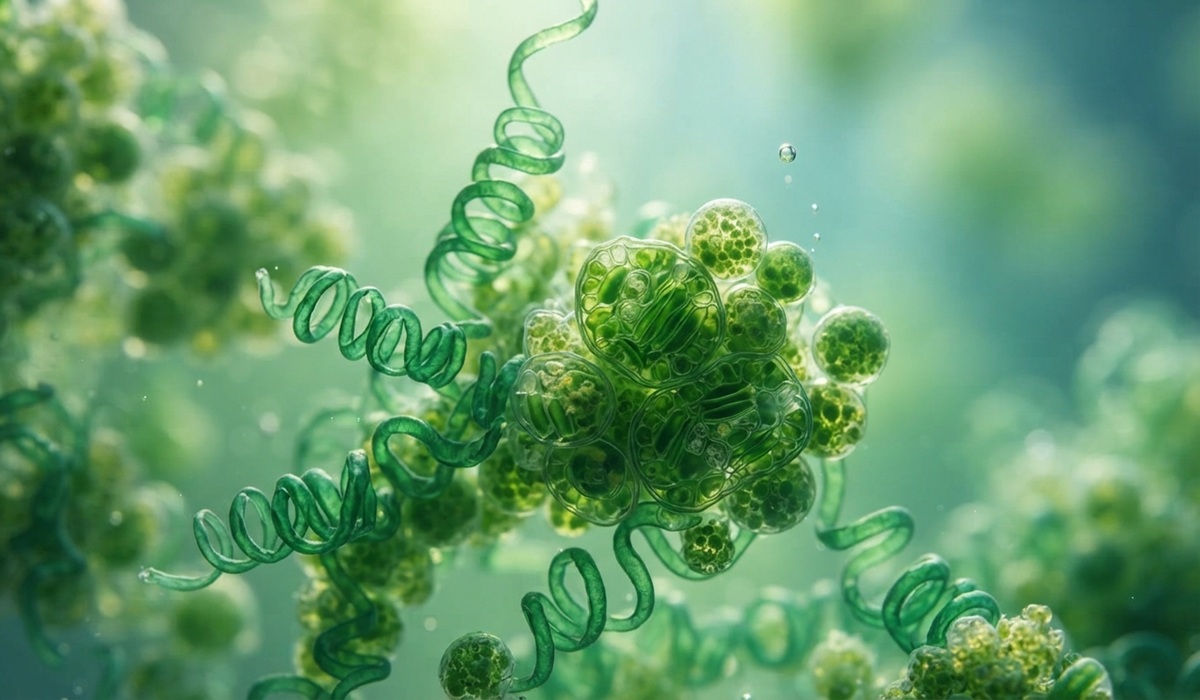
The agricultural and food technology sectors are experiencing a quiet revolution centered around the mass commercialization of microalgae as a high performance, sustainable protein source for everyday human consumption. As traditional livestock and conventional crop production face mounting pressure from climate change, water scarcity, and greenhouse gas emissions, food manufacturers are turning to freshwater microalgae strains such as spirulina and chlorella to fortify mainstream food products. These microscopic organisms boast dry weight protein concentrations exceeding sixty to seventy percent, vastly outperforming conventional agricultural commodities like soybeans, peas, and animal proteins while requiring a fraction of the land and water footprint.
Recent clinical evaluations published in nutritional journals confirm that algal proteins are fully complete, containing all essential amino acids with digestibility scores that match traditional high quality sources like eggs and whey. Food engineers have successfully overcome historical sensory hurdles, such as distinct oceanic flavors and heavy green pigmentation, by utilizing advanced fractionation and neutral tasting isolate techniques that allow microalgae to be seamlessly blended into familiar foods. Consumers can now find microalgae extracts incorporated directly into pasta doughs, baked bread loaves, nutritional beverages, and dairy alternative yogurts without altering the comforting tastes and textures they grew up with.
Industrial investments in closed photobioreactors and controlled cultivation facilities are scaling up production capacity across North America and Europe, driving down per unit manufacturing costs and making algal ingredients economically viable for large scale commercial food applications. Beyond basic macronutrients, these microscopic powerhouses are rich in essential omega three fatty acids, natural antioxidants like astaxanthin, and bioactive compounds that clinical studies link to improved cardiovascular health and reduced systemic inflammation. Major supermarket chains and food brands are actively auditing their supply chains to incorporate these eco friendly ingredients, responding to a surge in consumer demand for clean label, environmentally transparent nutrition.
Early adopters in the food manufacturing space are reporting stronger profit margins and highly positive consumer reception as health conscious shoppers willingly pay more for sustainable functional foods. As regulatory approvals expand and biotechnology firms refine cultivation efficiencies, microalgae is rapidly evolving from a niche health supplement into a foundational pillar of the global food supply, securing a resilient nutritional future for generations to come. The operational scalability of microalgae production sets it apart from traditional agricultural practices, offering a climate resilient solution that can be cultivated in urban environments, arid deserts, or marginal lands using non arable saltwater or recycled wastewater.
Unlike conventional crops that depend entirely on seasonal weather patterns and vast acreage, photobioreactors utilize controlled indoor environments where temperature, light exposure, and nutrient delivery are strictly optimized by automated computer systems. This technological control accelerates growth cycles dramatically, allowing producers to harvest biomass every few days rather than once or twice a year. Food scientists are currently experimenting with heterotrophic fermentation techniques, where microalgae are grown in dark industrial tanks using organic carbon sources, enabling massive yields without requiring natural sunlight.
This advancement has opened the door for startups to partner with established commercial bakeries and pasta manufacturers, embedding microalgae powders directly into everyday grocery staples. For instance, children and adults alike can consume their daily recommended intake of vital micronutrients and plant based proteins simply by eating a standard slice of sandwich bread or a bowl of fettuccine, completely unaware that the food has been fortified with sustainable algae. Nutritional researchers are also studying the potential of specific microalgae strains to replace synthetic food dyes, utilizing natural chlorophyll and carotenoid pigments to impart vibrant greens, yellows, and oranges to snack foods and beverages.
Regulatory bodies in multiple jurisdictions have granted generally recognized as safe status to several key strains, clearing the path for widespread commercial adoption across global markets. As consumer awareness shifts toward regenerative agriculture and circular economic models, food corporations that fail to integrate alternative proteins risk losing market share to agile competitors embracing biotechnology. The transition toward microalgae represents a fundamental shift in human nutrition, proving that the future of food relies on harnessing the microscopic building blocks of nature to feed a growing global population sustainably and efficiently.
About The Author