Global Crisis in the Classroom: Ecuador and the Push to Protect Education Amid Rising Localized Violence
- Ingrid Jones
- Latin
- Breaking News
- September 8, 2026
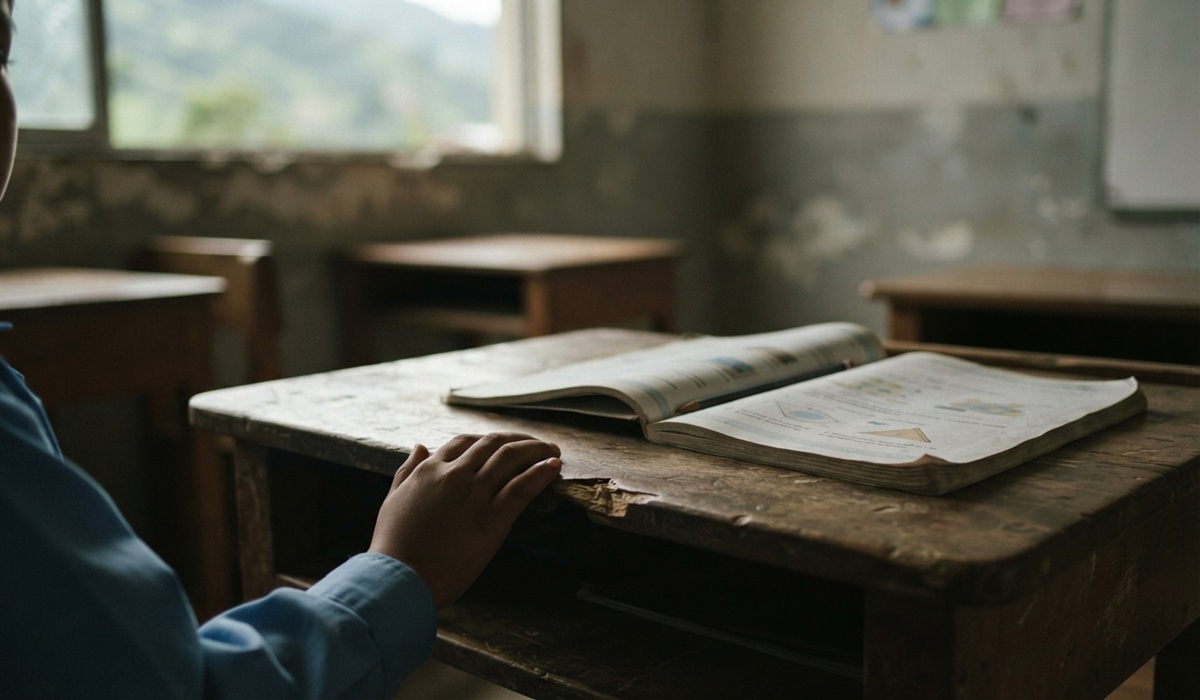
WASHINGTON — Classrooms around the world are facing an escalating crisis of violence that stretches far beyond traditional frontlines, according to a comprehensive tracking report released by the Global Coalition to Protect Education from Attack.
The Education Under Attack 2026 report highlights that Ecuador is one of 55 countries where isolated assaults on learning have been identified, or which have suffered systemic disruptions without being directly affected by a formal international armed conflict. The finding underscores how civil insecurity, organized crime, and localized unrest are increasingly puncturing academic environments in nations previously viewed as outside major war zones, forcing governments and international observers to rethink how student safety is managed.
For generations, schools have functioned as neutral sanctuaries designed to foster community, growth, and economic opportunity. However, global data compiled by the coalition reveals that this vital social contract is fracturing as scholastic facilities, students, and instructional staff are caught in the crosshairs of domestic turmoil. In countries experiencing rapid shifts in security dynamics, institutions face localized threats, extortion, and targeted violence that traumatize communities, displace families, and halt the delivery of core instruction. When classrooms become high-risk environments, the long-term repercussions extend far beyond missed academic hours, eroding the psychological well-being of an entire generation.
In response to the global erosion of institutional safety, the international community established the Safe Schools Declaration in 2015. Conceived as an intergovernmental political commitment, the declaration provides a practical framework for states to strengthen the safeguarding of learning spaces from the impacts of armed conflict and other forms of violence.
Governments that endorse the framework commit to using specialized guidelines that prevent campuses and universities from being utilized for military purposes during conflicts. Signatories also pledge to collect reliable data on assaults against academic systems, investigate and prosecute violations of domestic and international law, and develop inclusive, risk-informed continuity plans to keep students studying under severe duress. Proponents of the accord argue that rigorous implementation is vital for halting the normalization of violence against civilian infrastructure.
The core premise of the initiative is that schools must remain safe spaces under all circumstances because continued instruction is essential for the well-being, psychological recovery, and protection of children and adolescents. Academic routines serve as a stabilizing anchor during social upheaval, offering structure and a pathway to future stability for youth living through crisis.
The latest tracking data underscores that defending these learning environments has become a baseline requirement for human security rather than solely a wartime strategy. As modern threats evolve to include localized criminal violence, gang intimidation, and physical coercion, international advocates emphasize that governments, civil society, and regional partners must double down on preventive frameworks to ensure scholastic institutions remain inviolable. Without renewed investment in school safety and community-level protections, vulnerable nations risk losing the next generation to the compounding cycles of violence and lost opportunity.
About The Author