How Flexible Assembly Systems Support Changing Product Demands
- Casey Cartwright
- Business
- August 31, 2026
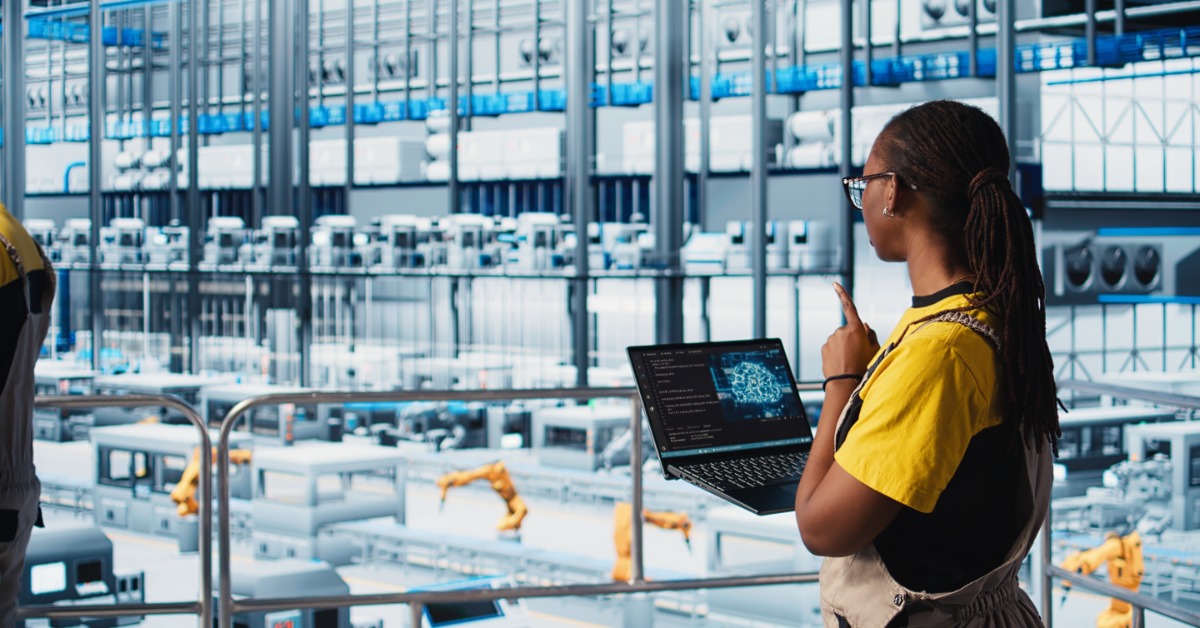
Manufacturers operate in markets where product demand can change quickly and without much warning. Customers expect more choices, while companies regularly update products to remain competitive. Production teams must respond without allowing every change to disrupt output or increase operating costs. Flexible assembly systems support changing product demands and give manufacturers a practical way to adjust production.
Traditional assembly lines often work well when manufacturers produce the same item at predictable volumes. Problems emerge when order quantities shift, or companies introduce new product configurations.
Equipment designed around one narrow process can restrict how quickly production teams respond. Flexible assembly systems create room for adjustment without requiring manufacturers to rebuild production lines constantly.
Flexibility starts with equipment that can support more than one narrowly defined operation. Manufacturers can configure adaptable machinery for different products, components, or assembly requirements. Teams can modify programs and tooling as production priorities change. This capability helps facilities respond to customer demand while maintaining an organized production process.
Product variety has become an important consideration across many manufacturing industries. Customers may request different sizes, features, materials, or configurations based on their applications. A rigid assembly line can struggle when each product variation requires different components or fastening locations.
Changing order volumes create another challenge for production managers. One product may experience a sudden increase in demand while another enters a slower sales period. Flexible equipment lets manufacturers redirect capacity to products that require greater output. Facilities can use available resources more effectively instead of leaving dedicated equipment idle when demand declines.
Efficient changeovers play a major role in making this production model practical. Long setup periods consume valuable production time and can make smaller manufacturing runs expensive. Adaptable equipment can simplify changeovers through programmable controls and interchangeable tooling. Faster adjustments allow manufacturers to switch products while limiting unnecessary interruptions to the production schedule.
Automation can strengthen this flexibility when manufacturers select equipment that supports changing production requirements. Programmable systems can store settings for several assemblies and allow operators to select the appropriate program.
Engineers can also update certain automated processes when product specifications change. Manufacturers gain the benefits of automation without locking every operation into one permanent configuration.
Fastening processes show how adaptable automation can respond to changing product demands. The advantages of robotic fastening systems include repeatable process control and the ability to modify programmed fastening locations for different assemblies. Engineers can adjust coordinates or fastening sequences when product designs change.
Quality control also becomes more complicated as manufacturers expand their product mix. Operators may need to follow different assembly requirements when moving between models during the same shift.
Programmable equipment can provide consistent settings for each selected product and reduce unnecessary manual adjustments. Manufacturers can maintain reliable assembly processes even when production schedules include frequent product changes.
Flexible assembly systems can also support employees rather than simply replacing manual work. Certain operations benefit from automated precision, while others still require human judgment and handling. Manufacturers can design flexible work cells that combine employee skills with appropriate automation. This approach lets production leaders apply technology where it delivers clear operational value.
Workforce flexibility becomes especially useful when production priorities change during busy periods. Employees who understand multiple processes can move between work cells as scheduling needs develop. Cross-training can also help facilities maintain output when staffing conditions change unexpectedly.
Scalability provides another reason manufacturers may choose flexible assembly systems. Companies cannot always predict whether a new product will generate modest orders or rapid growth. Building a large dedicated line before demand becomes clear can create financial risk. Flexible systems allow manufacturers to expand production capacity gradually as customer orders justify additional investment.
This approach can also help manufacturers manage available floor space more carefully. Dedicated equipment for numerous products can consume valuable manufacturing space even when some machines operate infrequently. Better space utilization gives manufacturers more options when they need to add equipment or reorganize production.
Engineering revisions can place significant pressure on rigid manufacturing processes. A change in component dimensions or fastening locations may require physical modifications to equipment designed around one product.
Flexible systems allow engineers to update programs or tooling without necessarily replacing major machinery. Production teams can implement approved design changes while limiting unnecessary disruption to established workflows.
Adaptability can also support manufacturers during supply chain disruptions. Component shortages sometimes require companies to use approved alternatives or change production priorities on short notice. Rigid equipment may make these adjustments difficult when machinery depends on one exact component configuration.
Production data can make adaptable systems more useful over time. Connected equipment can provide information about cycle times, output, downtime, and process performance. Managers can study this information when deciding where to allocate equipment or labor. Accurate production visibility helps teams respond to changing demand based on operating conditions, not assumptions.
Data can also reveal when a process needs adjustment before production problems become severe. A gradual increase in cycle time may indicate that one operation has become a bottleneck as demand rises. Production leaders can use this information to redistribute work or revise schedules. Flexible equipment makes those changes easier because teams have more options for rearranging production resources.
Adaptability also affects how manufacturers evaluate long-term capital investments. Dedicated equipment can deliver excellent results when one product maintains steady demand for many years. However, its usefulness may decline when a product changes significantly or reaches the end of its market life.
Manufacturers still need to evaluate whether a flexible system matches their actual operations. Equipment should support expected production volumes and realistic product variations without creating unnecessary complexity. Teams must also consider maintenance requirements and the technical knowledge employees need to manage changes. Flexibility provides the greatest value when manufacturers can use its capabilities effectively throughout normal production.
Planning should include the people who operate, maintain, and engineer the assembly process. Their experience can identify practical limitations that may not appear during an equipment evaluation. Early input can also help manufacturers determine which adjustments workers will need to make regularly. A system employees can configure efficiently provides more practical flexibility than equipment that requires extensive intervention for minor changes.
Manufacturers should also consider future products when designing an adaptable assembly environment. Current production requirements provide an important starting point, but they should not define every equipment decision. Additional programming capacity or adjustable tooling may help a system accommodate products that do not exist yet.
Flexible assembly systems cannot remove uncertainty from manufacturing, but they can make uncertainty easier to manage. Companies still face changing customer preferences and fluctuating order volumes. Adaptable production equipment gives teams more ways to respond without treating every change as a major redesign. That capability can protect productivity while helping manufacturers remain responsive to their markets.
Changing product demand has become the norm for modern manufacturers. Flexible assembly systems allow production teams to adjust processes for changing product demands while maintaining greater control over equipment.
Manufacturers can prepare for product changes without committing every resource to one fixed production scenario. A well-planned flexible assembly strategy creates a stronger foundation for meeting today’s requirements while preparing for tomorrow’s demands.
About The Author