Power interruptions place facilities under immediate pressure, and an automatic transfer switch exists to keep critical loads online with very little delay. Even a dependable unit can develop faults after years of service, environmental exposure, or poor maintenance practices. Dive into these automatic transfer switch troubleshooting tips to find a practical path toward dependable performance and greater system confidence.
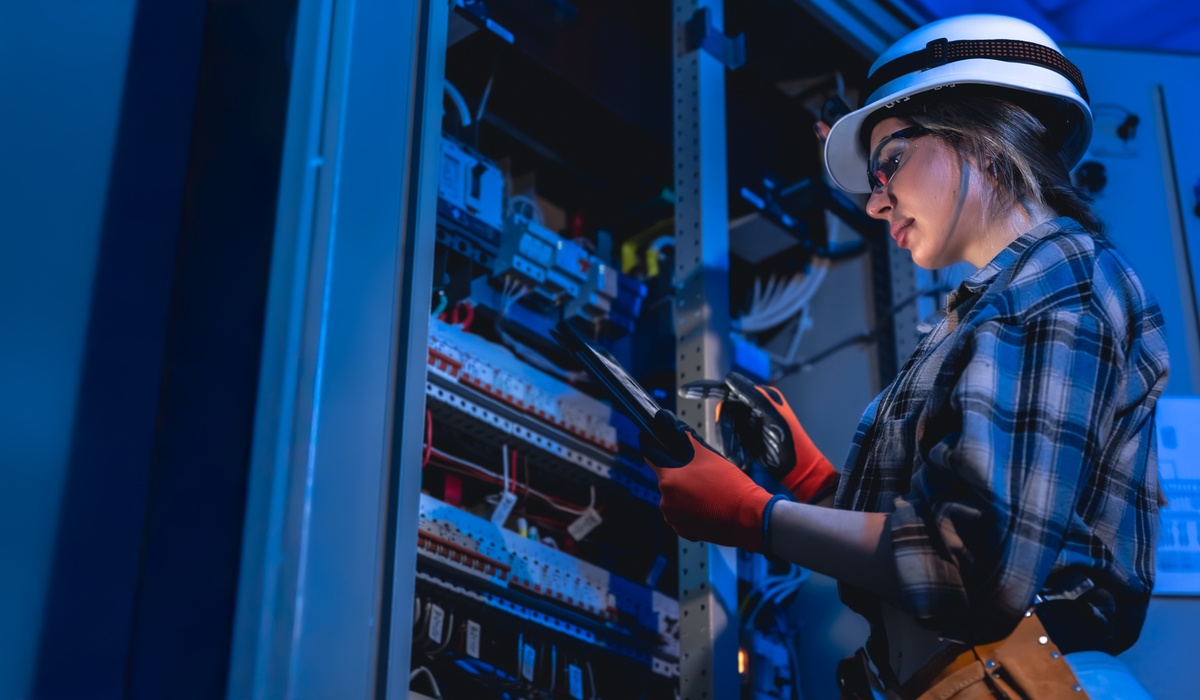
Every diagnostic process deserves a careful visual inspection before test equipment enters the picture. Loose conductors, damaged insulation, corrosion, discoloration around terminals, or signs of excessive heat can point toward the source of a problem within minutes. Dirt, moisture, and debris also deserve close attention because each one can interfere with mechanical movement or electrical contact. A technician who spends time with this first step can eliminate unnecessary guesswork and develop a logical plan for the rest of the inspection.
Visual observations also help identify patterns that developed over time. Burn marks near contact assemblies, cracked control wiring, or damaged cable insulation rarely appear without an underlying cause. Record every observation before repairs begin so future service visits have a clear reference point. Detailed documentation supports faster diagnostics during later maintenance visits.
An automatic transfer switch cannot perform correctly if one power source falls outside acceptable voltage or frequency limits. Before attention shifts toward the switch itself, confirm that both the normal utility source and the emergency generator produce stable electrical output. Voltage fluctuations, frequency drift, or phase imbalance can prevent a successful transfer sequence.
Use properly calibrated test equipment and compare measured values against equipment specifications. Review upstream breakers and cable connections for abnormalities that could interrupt power before it reaches the transfer switch. Stable incoming power creates a solid foundation for every remaining diagnostic step.
An easy and helpful automatic transfer switch troubleshooting tip is to review your controller status and recent alarm history. Modern automatic transfer switches rely on intelligent controllers that record fault information and operational events. Alarm logs can reveal repeated transfer failures, abnormal source conditions, communication faults, or timing irregularities. This historical data offers valuable direction before physical repairs begin.
Compare recorded alarms with site conditions and maintenance records. A recurring voltage fault may point toward generator performance rather than transfer switch hardware. A repeated communication alarm could direct attention toward damaged wiring or controller configuration. Every recorded event adds another piece to the overall picture.
Once you buy an ATS transfer switch and have it on-site, it’s essential to learn about all the components, inside and out. Mechanical assemblies deserve close attention because reliable movement remains at the center of every transfer operation. Contact mechanisms, springs, linkages, and operating shafts should move freely through their complete travel.
Resistance or physical damage can prevent full contact engagement. Lubrication deserves careful evaluation according to manufacturer recommendations. Too little lubricant increases friction, but excessive lubricant attracts dust and contaminants.
Contact surfaces also deserve examination for pitting, erosion, or discoloration. These are frequently caused by repeated electrical operation. Clean mechanical action supports dependable source transfers across thousands of operating cycles.
Control circuits direct every transfer command and operating sequence inside the system. Loose terminals, damaged insulation, or deteriorated connectors can interrupt communication between components even though major power circuits remain healthy. Small wiring faults sometimes create symptoms that resemble larger equipment failures.
Inspect every terminal for secure attachment and verify conductor condition throughout the control cabinet. Pay close attention to vibration-prone locations near generators or industrial machinery. Accurate wire identification also reduces confusion during future maintenance work and equipment upgrades.
Many transfer problems originate outside the switch itself. Communication between the transfer switch and standby generator must remain reliable from the first start command through final power restoration. Delayed generator response, failed start signals, or incomplete warm-up sequences can interrupt automatic operation.
Review interface wiring and generator controller settings. Observe several complete transfer sequences under controlled test conditions whenever facility procedures permit. Direct observation provides valuable insight into system behavior from beginning to end.
Voltage sensors, frequency monitoring circuits, protective relays, and timing functions guide every transfer decision. Faulty sensing components may report inaccurate conditions and prevent normal operation despite healthy incoming power. Calibration also deserves periodic verification according to manufacturer guidance.
Protective devices should operate within specified limits without nuisance trips. Compare measured values against factory settings before any adjustments occur. Thoughtful verification protects equipment from unnecessary stress and preserves dependable operation during future utility disturbances.
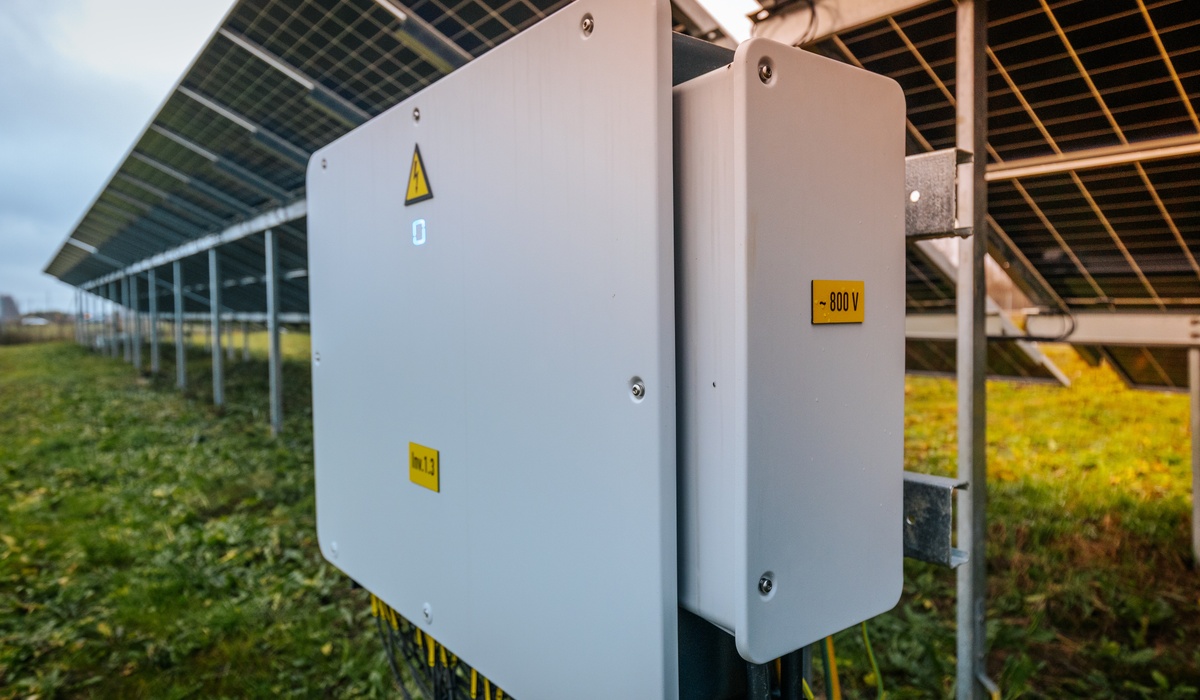
Electrical equipment performs best inside suitable environmental conditions. Excessive heat, humidity, airborne contaminants, or vibration can shorten component life and increase maintenance demands. Outdoor installations deserve additional attention because weather exposure introduces another layer of operational stress.
Inspect enclosure seals and ventilation paths during every scheduled service visit. Remove accumulated dust and contaminants with approved cleaning methods. A clean operating environment supports longer equipment life and greater long-term reliability.
Routine functional tests confirm that every major component performs as intended under realistic operating conditions. Observe transfer timing, contact movement, controller response, and source restoration during each test cycle. Small irregularities become much easier to identify through direct observation than through alarm records alone.
Document every result with dates, measured values, and technician notes. Trend data collected across several maintenance intervals can reveal gradual performance changes before unexpected failures occur. Consistent testing also supports regulatory compliance for many critical facilities.
Some faults extend beyond routine maintenance and require advanced diagnostic equipment or manufacturer experience. Persistent controller errors, damaged contact assemblies, internal component failures, or complex communication issues deserve attention from qualified service professionals. Prompt expert evaluation reduces downtime and limits unnecessary equipment replacement.
Facilities that rely on continuous power support benefit from scheduled preventive maintenance instead of reactive repairs after a failure occurs. A proactive service plan promotes dependable performance across every transfer event and supports long equipment life. Investment in professional support usually costs far less than an unexpected outage.
A dependable automatic transfer switch stands between critical operations and costly downtime. Careful inspection, systematic testing, accurate documentation, and timely maintenance create a disciplined approach that supports reliable operation year after year. Small issues rarely remain small after months of neglect, so early attention delivers clear operational benefits across the entire power system. Use the tips above to keep your system running reliably, so you know it’s always ready when you need it.
About The Author