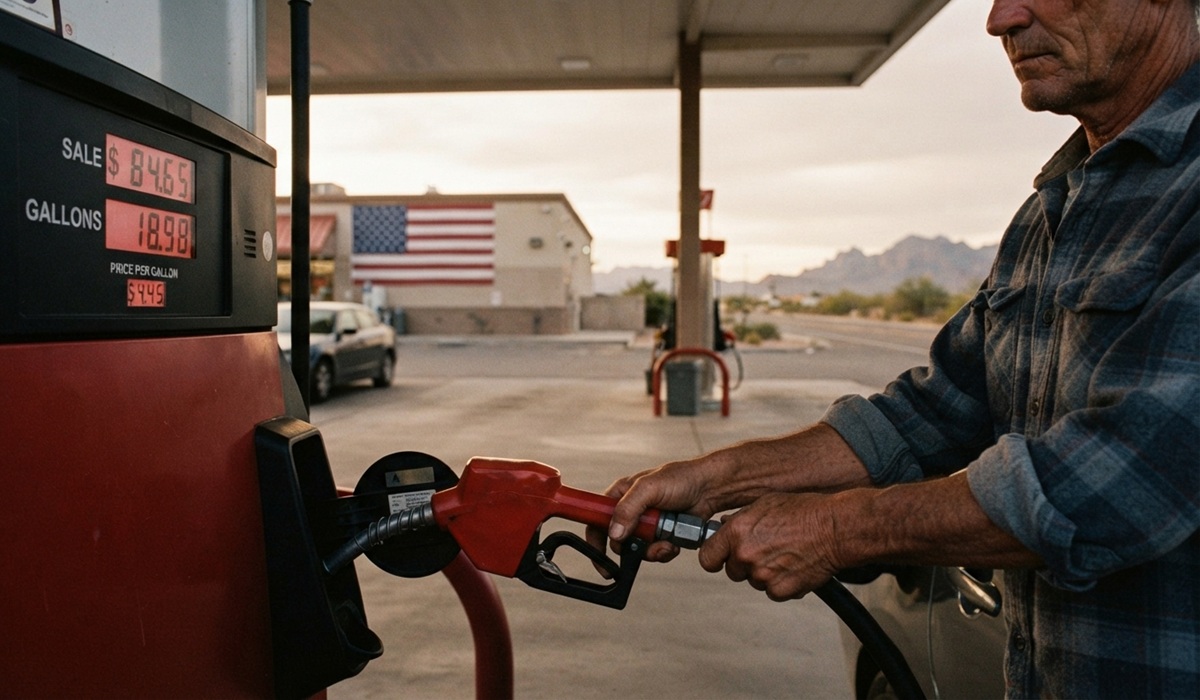
Standing at the edge of the asphalt driveway, watching the digital numbers spin upward with every tenth of a gallon pumped into the tank, it is hard not to feel a profound sense of exhaustion. Across the United States, the national average for regular gasoline has pressed upward, hovering comfortably past four dollars a gallon, with peaks reaching far higher in states like California and Washington where drivers routinely face numbers north of five dollars. Historically, prices this steep are not entirely unprecedented, echoing the grim milestones of the summer of 2008 when the global economy strained under unprecedented speculation, and shadowing the staggering records set in 2022 when post-pandemic reopening collided headfirst with international supply shocks. Back then, the causes were dissected to exhaustion, ranging from surging global demand and fractured supply chains to the immediate disruptions of international conflict. Yet, looking at the current reality, the explanation goes deeper than simple market mechanics. It is a story of engineered scarcity, geopolitical miscalculation, and policies that promised independence while delivering vulnerability.
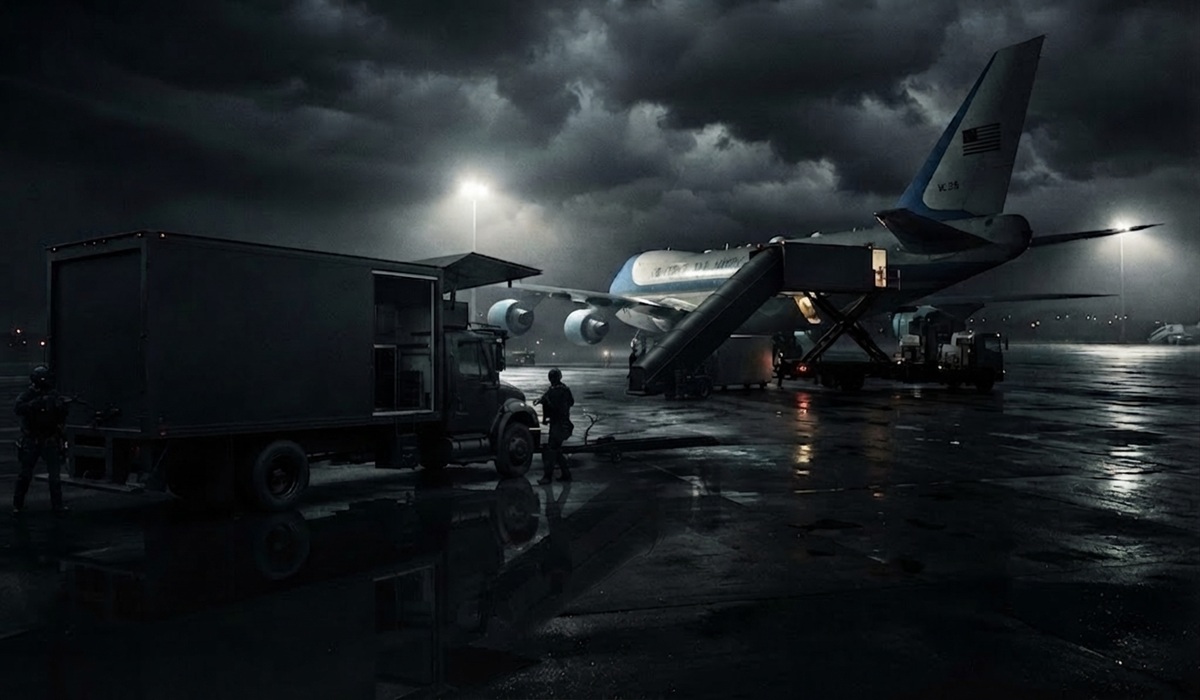
The mechanics driving these painful prices at the pump today are rooted in a volatile combination of tightened domestic processing capacities, corporate profit-taking, and an aggressive escalation in foreign entanglements. Refineries are operating under immense strain, grappling with infrastructure bottlenecks and the compounding effects of renewed conflicts abroad that have targeted critical energy arteries. When overseas refineries face disruption and shipping lanes in vital trade corridors become perilous checkpoints, the ripple effect reaches straight to Main Street America. Oil is a global commodity, and domestic production numbers alone cannot insulate working families from international turbulence when market speculators weaponize every headline of impending war.
For the average American, this surge is not just an abstract economic indicator to be debated on cable news; it is a direct assault on household stability. Families already stretched thin by the relentless creep of inflation find their grocery budgets, utility bills, and commuting costs squeezed further by every tick at the pump. The cost of fuel dictates the cost of everything else, because every apple on the supermarket shelf and every package delivered to a doorstep travels by truck. Small business owners, independent contractors, and hourly workers bear the heaviest brunt of these costs, absorbing losses they can ill afford while corporate energy giants report eye-watering quarterly profits. It is a slow, grinding erosion of the American standard of living, leaving ordinary citizens wondering how prosperity feels so perpetually out of reach.
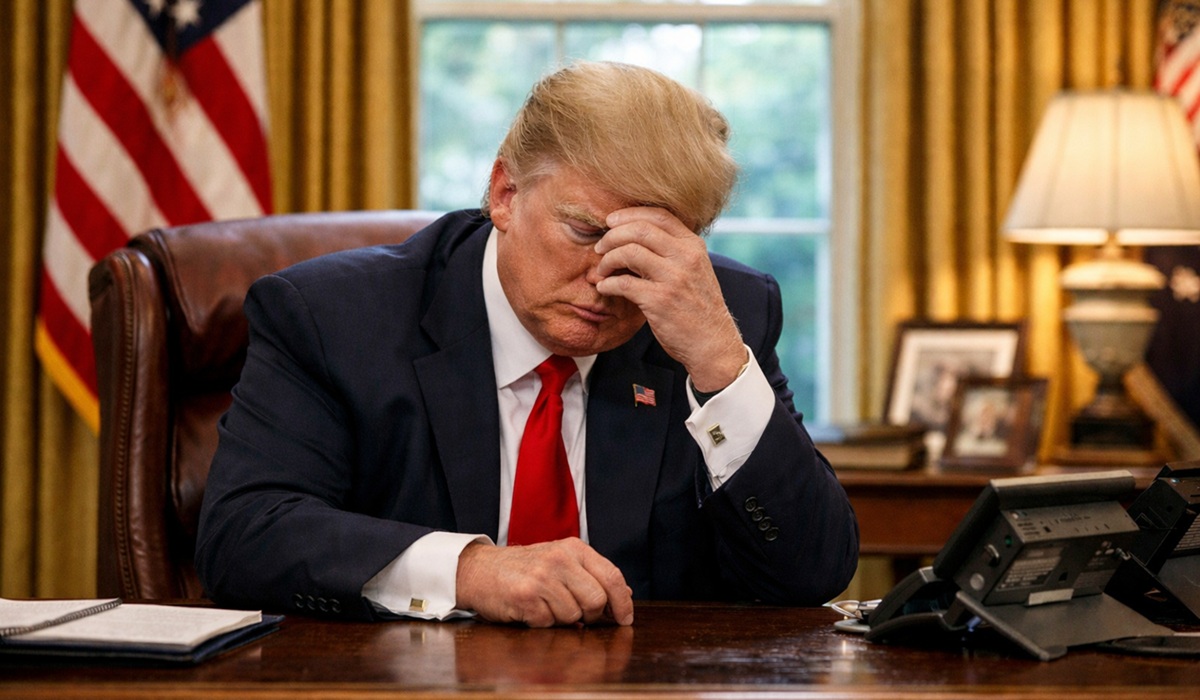
The tragedy of this moment lies in its predictability. Every warning sign was clear, mapped out by economists and energy analysts who cautioned that aggressive posturing, dismantling cooperative international frameworks, and alienating allies would inevitably destabilize global energy markets. Yet, the political rhetoric persists, wrapped in populist packaging that claims to champion the forgotten working class. This brings forth a haunting, deeply introspective question about the millions of loyal followers who continue to place their faith in Donald Trump, believing he remains their fierce defender against elite indifference. When will the realization finally set in that his brand of politics is not designed to elevate them, but to use them?
The mythology surrounding his initial rise was built on the seductive premise of peace and economic nationalism, the notion that strongman posturing would somehow keep the nation out of foreign entanglements and protect domestic prosperity. But looking at the broader trajectory, the reality tells a vastly different story. Rather than stepping back from conflict, the architecture of his political identity has become deeply intertwined with escalating tensions, sabre-rattling, and an appetite for confrontation that threatens to ignite multiple theatres of war across the globe. A leader who campaigns on isolationism while stoking the fires of international instability is not bringing security; he is manufacturing the very crises that disrupt global commerce and drive up the price of oil.
When the smoke clears and the true ledger of these policies is tallied, the American people are left fundamentally no better off. The promises of energy dominance and untethered wealth have translated into four-dollar gas, deepening financial anxiety, and a world made infinitely more dangerous by reckless geopolitical gamesmanship. The working-class communities who rally behind him, flying flags of grievance and hope, are the very ones paying the highest tax for his ambitions at every single gas station across the nation. Until that fundamental disconnect is recognized, the cycle of exploitation will continue, leaving everyday Americans to foot the bill for a vision of power that was never built to serve them in the first place.
About The Author