The Hidden Synthetic Cloud Altering Antarctica’s Untouched Valleys
- Kingston Bailey
- Tiger's Eye Advisory Group - Trending News
- July 24, 2026
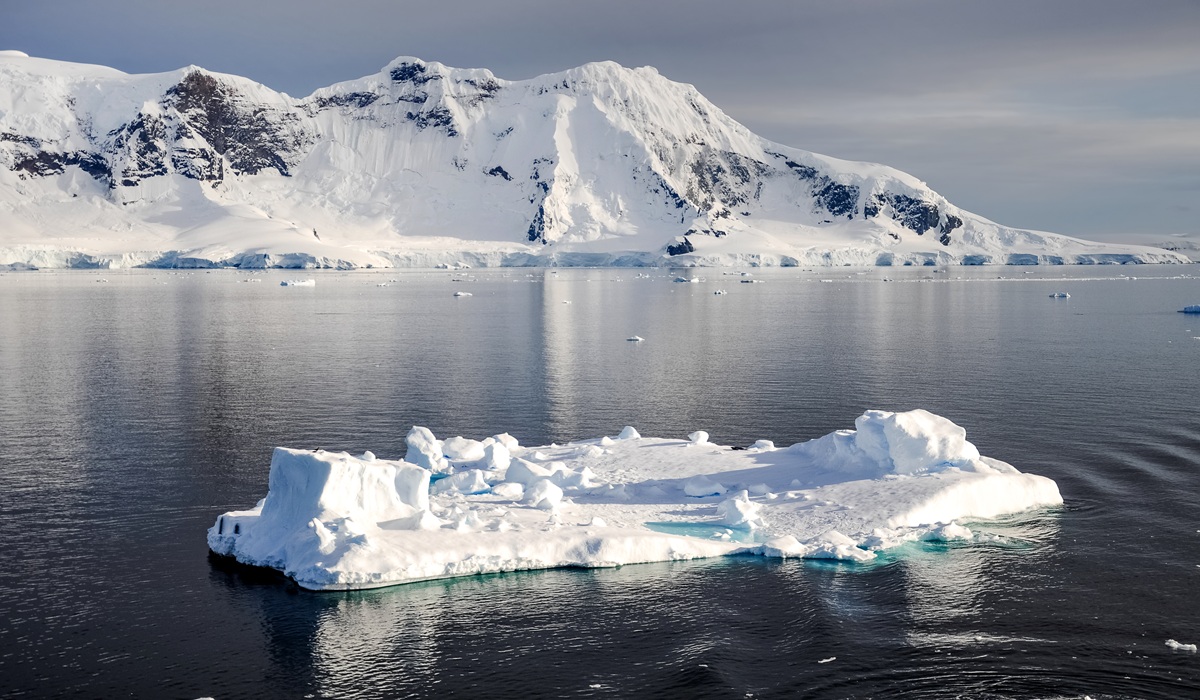
Far from the global news cycle, an alarming scientific discovery in the frozen expanses of Antarctica has exposed the reach of global human pollution into Earth’s final wilderness. Researchers conducting advanced environmental sampling across the remote McMurdo Dry Valleys have identified microscopic nanoplastic contamination embedded within polar topsoils and sub-surface earth. The McMurdo Dry Valleys, an ice-free desert region characterized by extreme cold, fierce katabatic winds, and hyper-arid conditions, have long been considered one of the most pristine and untouched environments on the planet. The detection of ultrafine synthetic polymers in these undisturbed soils demonstrates that plastic contamination has penetrated the most isolated terrestrial ecosystem on Earth, serving as a stark reminder of the global plastic crisis that mainstream media coverage frequently ignores.
Nanoplastics are microscopic synthetic fragments measuring less than one micrometer in diameter—thousands of times thinner than a human hair—making them virtually invisible to standard environmental monitoring equipment. Using state-of-the-art thermal desorption mass spectrometry techniques, the international research team examined soil samples collected across thirteen distinct polar sites. The analytical results revealed the presence of multiple widely used commercial polymers, including polypropylene, polyethylene, polystyrene, polyvinyl chloride, PET, and microscopic rubber particles originating from vehicle tire wear. Nanoplastics were detected in topsoils across more than half of the sampled locations, with significant concentrations also persisting in deeper, historical soil layers. The ubiquity of these particles across remote polar landscapes indicates that plastic degradation products are no longer confined to urban or oceanic runoff.
The pathways bringing these synthetic pollutants to the Antarctic interior are twofold, involving both localized human activity and long-range atmospheric transport. While scientific research stations and polar logistics bases operational on the continent contribute a degree of localized waste debris through equipment wear and synthetic clothing shedding, researchers emphasize that atmospheric currents play a massive role. Ultra-light nanoplastic particles can remain suspended in the upper atmosphere for weeks or months, drifting thousands of miles from industrial urban centers across the Southern Ocean before settling onto frozen Antarctic valleys through snowfall and wind deposition. This confirms that no geographic barrier, no matter how remote, can insulate a region from global airborne contamination.
The biological consequences of nanoplastic deposition in polar soils are particularly concerning to environmental scientists. Unlike tropical or temperate environments rich in organic matter and diverse flora, the food webs of the McMurdo Dry Valleys are exceptionally fragile, relying on specialized soil invertebrates, tardigrades, nematodes, mosses, and microbial colonies adapted to survive extreme stress. Organisms living in polar ecosystems possess low metabolic rates and slow reproduction cycles, rendering them acutely vulnerable to chemical and physical stressors caused by foreign synthetic particles. When soil organisms ingest nanoplastics, the particles can disrupt digestive systems, leach toxic chemical additives, and alter soil microbial composition, potentially threatening the foundational biological processes of polar ecosystems.
Despite the profound implications of this study, the story has received minimal attention within mainstream international news reporting. While headlines regularly feature melting glaciers and sea-level projections, the quiet chemical alteration of Antarctic soils represents a parallel ecological crisis that demands urgent global attention. Polar scientists are calling for immediate international cooperation to strengthen waste management protocols on research expeditions, curb global plastic emissions, and institute comprehensive atmospheric monitoring networks across polar regions. Discovering nanoplastics in Antarctica’s dry valleys provides undeniable proof that industrial waste knows no boundaries, emphasizing that protecting the Earth’s polar wilderness requires systemic action at a global scale.
About The Author