Canadian Premiers Lock Arms Against Washington’s Looming Tariff Threats
- Xuemei Pal
- Canada
- July 24, 2026
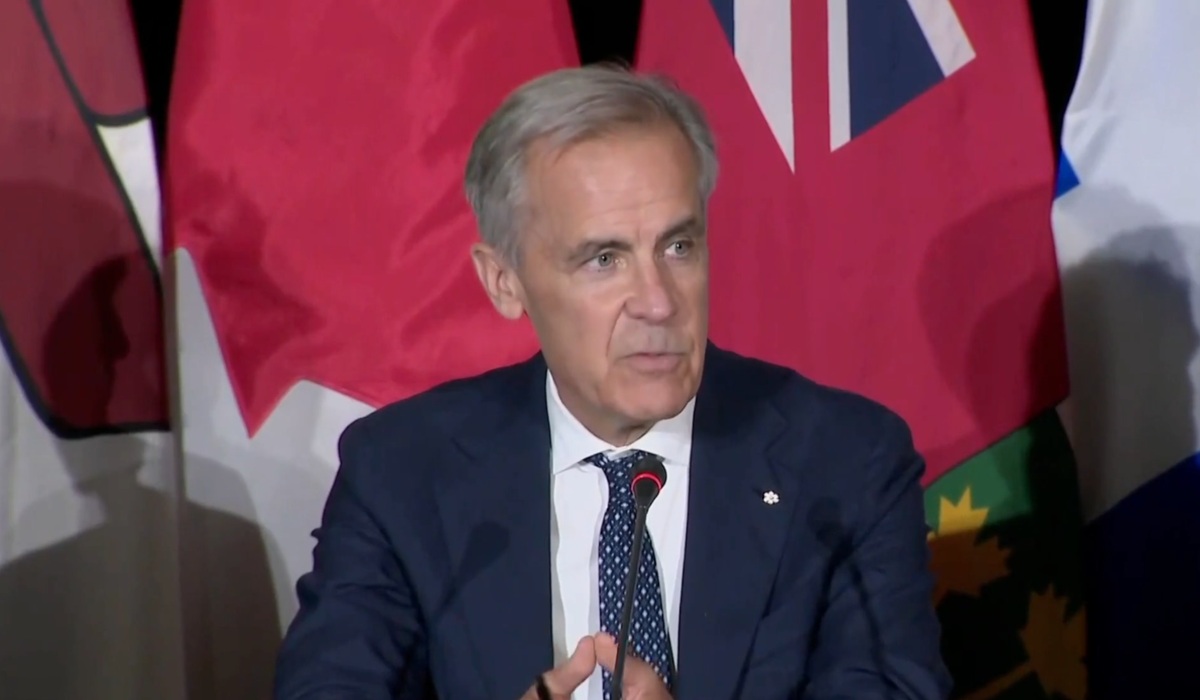
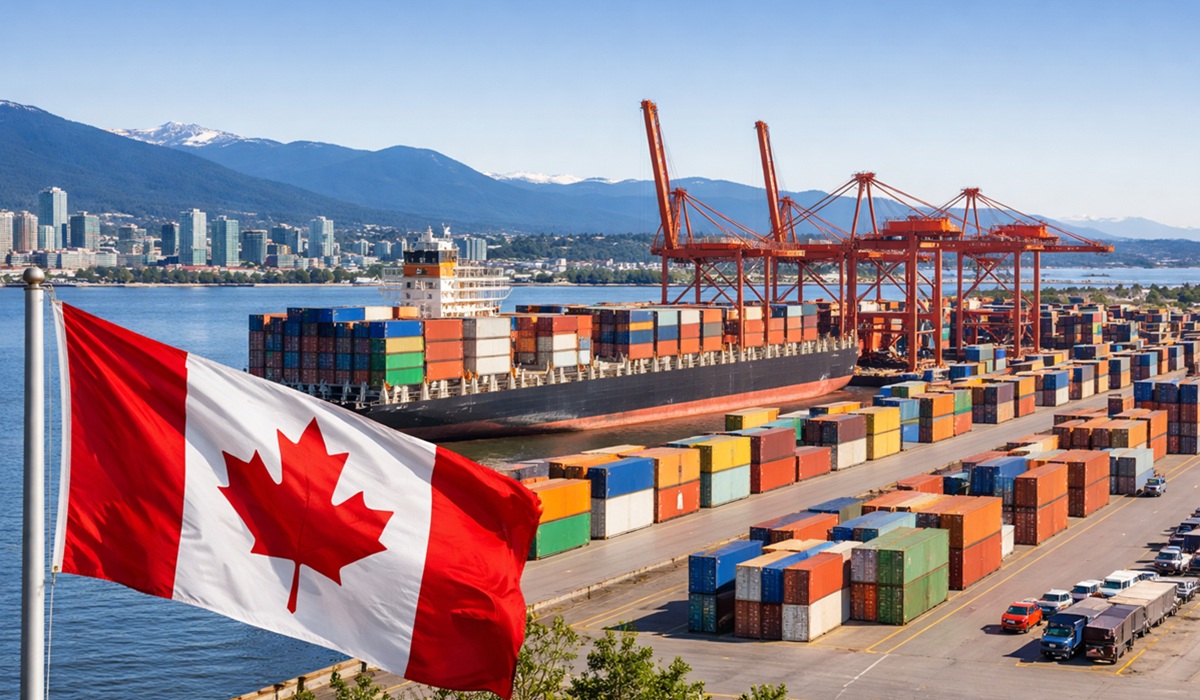
Canada’s political landscape is witnessing a rare display of continental solidarity as provincial leaders and federal officials close ranks to confront an escalating trade battle with the United States. Following executive declarations from Washington threatening fifty percent tariffs on a vast array of Canadian exports, provincial premiers gathered in emergency sessions to forge a unified counter-strategy. The aggressive economic measures from the Trump administration target core Canadian industries, ranging from automotive components and forestry products to agricultural goods, structural steel, and regional spirits. The threat represents a significant escalation in cross-border tensions, bypassing typical trade exemptions previously established under North American economic agreements. In response, Canadian leaders who frequently spar over domestic energy policy, federal transfer payments, and healthcare funding have set aside their internal political divisions to present a single, unyielding front against what they describe as direct economic coercion.
At the center of this emergency mobilization is a decisive shift in strategy from passive negotiation to active economic retaliation. Leaders across the political spectrum are emphasizing that Canada must not remain on its back foot when responding to arbitrary trade penalties. Ontario Premier Doug Ford led the charge for aggressive countermeasures, arguing publicly that Canada must match every American penalty dollar for dollar and tariff for tariff. Ford stressed that playing defense against economic threats only invites further aggression, insisting that a united Canada possesses sufficient economic leverage to force a re-evaluation in Washington. Premier David Eby of British Columbia offered an equally blunt assessment of the situation, characterizing the administration’s sweeping tariff demands as the erratic tactics of an increasingly aggressive neighbor. Eby noted that if an American administration cannot maintain stable commercial relations with its closest geographic ally and trading partner, it risks alienating economic partners across the entire globe.
A major catalyst for the current friction stems from coordinated provincial actions targeting American consumer products, particularly bans on American alcohol sales in provincially controlled retail outlets. Several Canadian provinces enacted bans on importing and stocking U.S. spirits and wines as an initial response to previous trade maneuvers, hitting American distillery and agricultural sectors in politically sensitive congressional districts. When Washington demanded the immediate removal of these provincial booze bans as a prerequisite for broader trade talks, Canadian premiers flatly refused to yield. Manitoba Premier Wab Kinew stated that maintaining these commercial restrictions provides critical leverage during high-stakes negotiations, asserting that unwavering unity among leaders is essential when standing up to a significantly larger economic power. Premier Eby underscored this resolve by declaring that American alcohol would not return to government store shelves in British Columbia under duress, reinforcing that provincial sovereignty over retail markets remains non-negotiable.
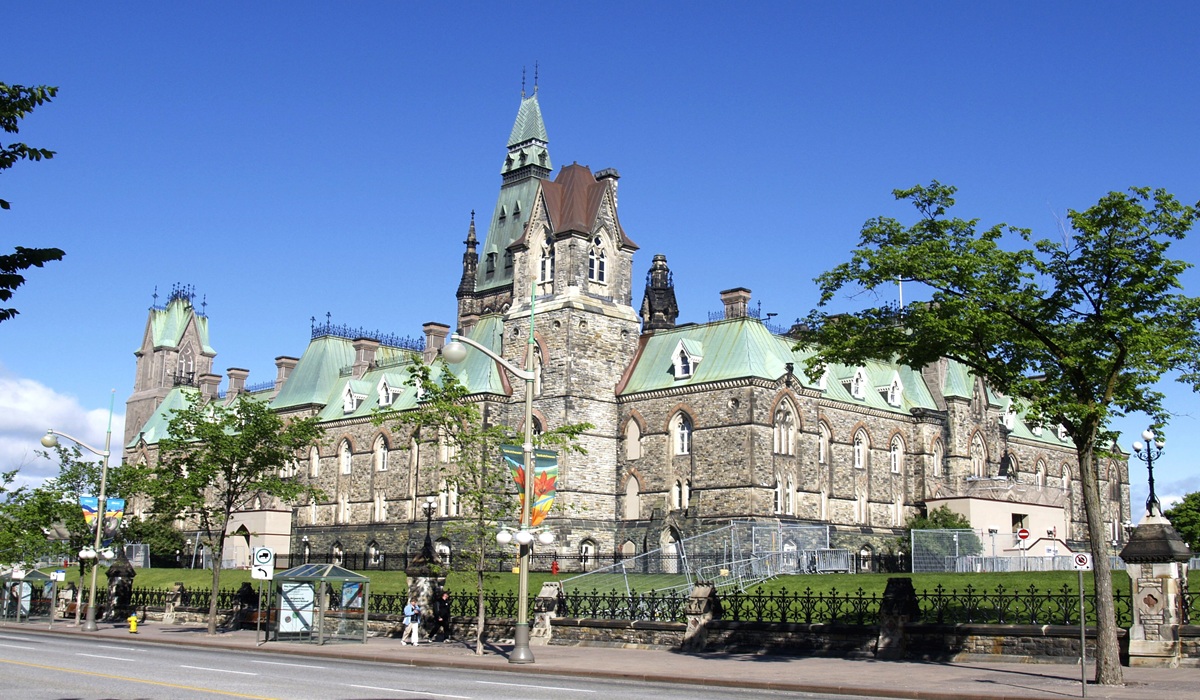
Prime Minister Mark Carney met virtually and in person with the premiers to coordinate the national economic defense, striking a delicate balance between firm retaliatory readiness and diplomatic dialogue. While federal officials continue to leave the door open for negotiated resolutions within upcoming discussion windows, the federal government has made it clear that Canada will protect its industrial base by whatever legal and tariff means necessary. Canadian economic analysts highlight that while the proposed duties target approximately twenty-eight billion Canadian dollars in annual exports, the potential damage to integrated cross-border supply chains would reverberate heavily inside the United States as well. Former diplomatic officials and economic experts have noted that Canada holds vital economic assets, including critical minerals, hydroelectric energy, and crude oil exports, that remain indispensable to North American manufacturing and grid stability.
This spirit of interprovincial solidarity marks a distinct shift in Canadian political dynamics. Traditionally, provincial premiers use national summits to bargain against the federal government for local funding or tax concessions. However, the severity of the incoming fifty percent tariff threat has transformed internal rivalries into a shared defensive posture. Western conservative premiers stand shoulder-to-shoulder with progressive eastern counterparts, agreeing that national economic security supersedes regional grievances. As the deadline for the implementation of the new import taxes approaches, Canadian leadership is sending an unmistakable message to Washington: Canada will not be coerced into submission, and any attempts to undermine its key industries will be met with swift, synchronized, and proportional economic consequences across the entire country.
About The Author