Last Month’s Venezuelan Earthquake Still Have Citizens Shaken, With Uncertainty
- Naomi Dela Cruz
- Breaking News
- July 23, 2026
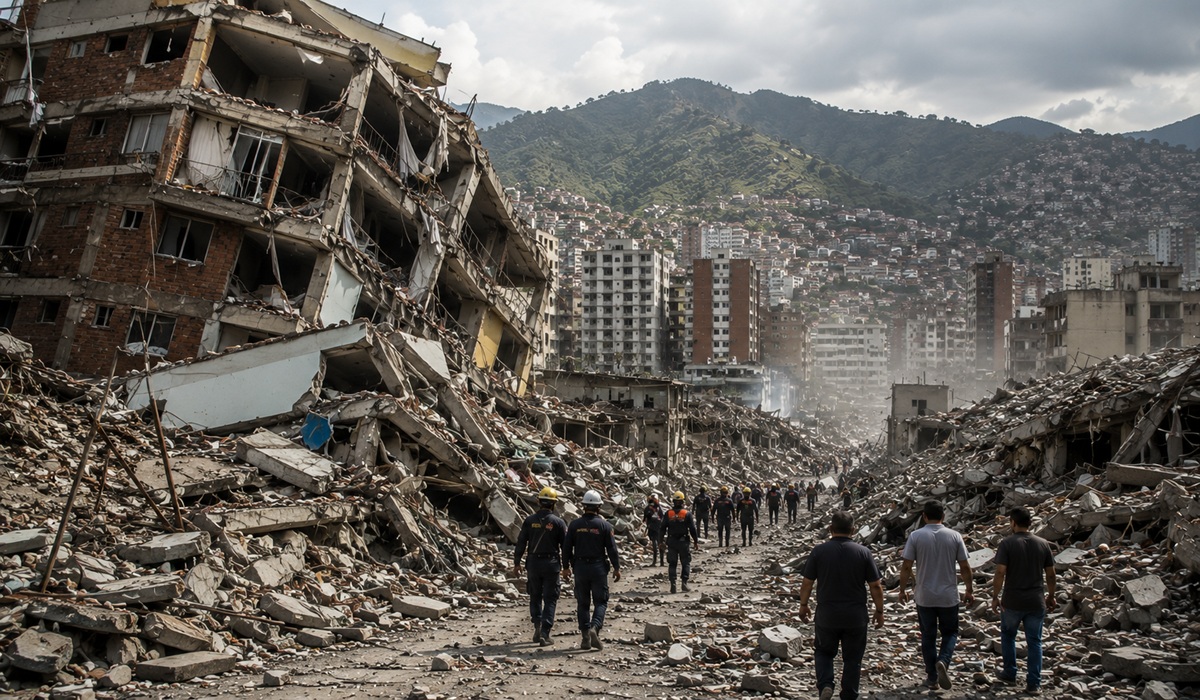
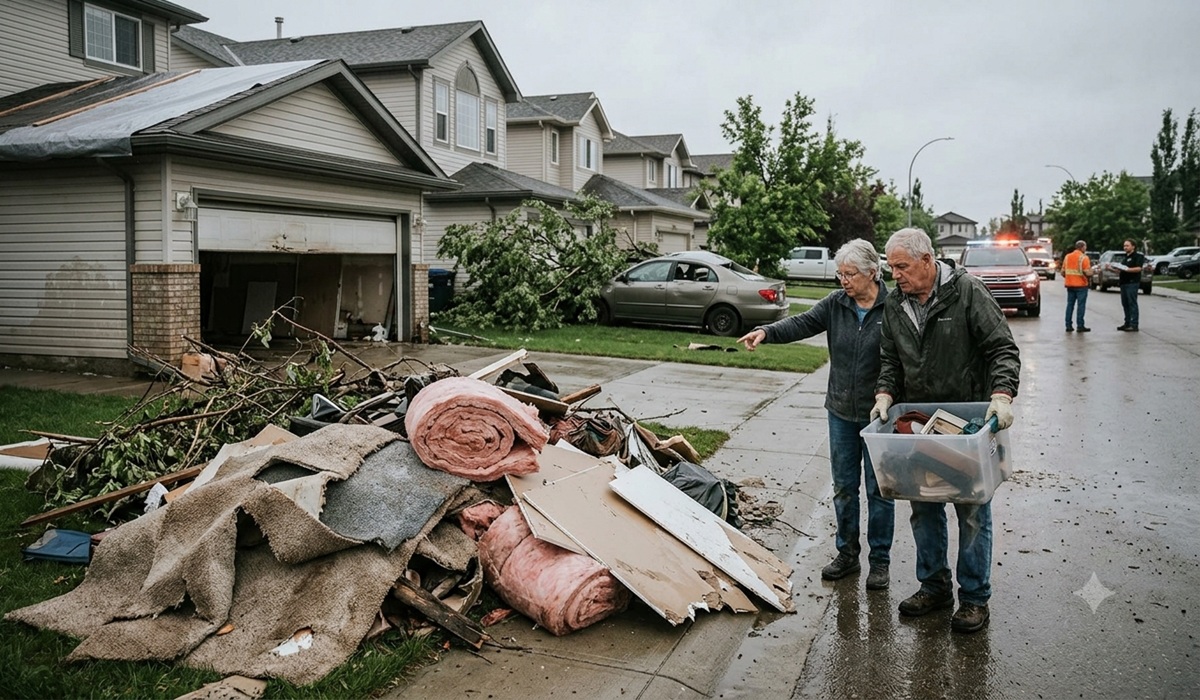
CARACAS, Venezuela — One month after devastating earthquakes struck Venezuela, thousands of people remain in temporary shelters while trying to rebuild their lives amid severe funding shortfalls, humanitarian officials said Thursday. International aid groups are warning that without a rapid increase in financial support, a temporary disaster risks turning into a long-term humanitarian crisis.
Up to 1.3 million people are in need of humanitarian assistance in the earthquake-affected areas, an increase of over 700,000 people compared to pre-disaster levels, according to the Norwegian Refugee Council. The United Nations revised the 2026 Humanitarian Response Plan to incorporate emergency relief into existing aid efforts, raising total funding requirements from $632 million to $931.3 million to support 6.2 million people over six months. However, as of July 22, the appeal is just 39.2% funded, with only $365.1 million received.
“The first month after a disaster often brings global solidarity and attention,” said Elena Vicario, country director for the council in Venezuela. “The real test now is whether that support continues after the headlines start to fade. Families who lost homes, livelihoods and access to essential services cannot rebuild their lives on short-lived commitments.”
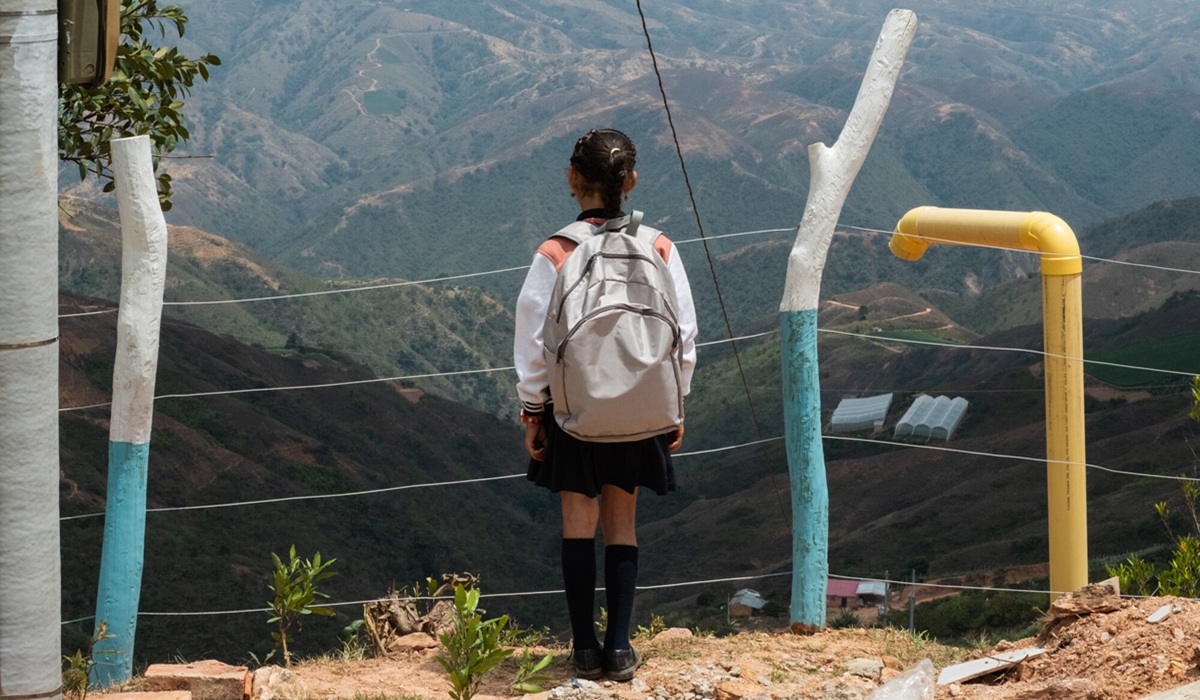
Before the disaster, over a quarter of Venezuela’s population already required humanitarian aid. Officials stressed that emergency funding must supplement, rather than replace, ongoing programs for protection, healthcare, water, sanitation and education. The education sector has been hit particularly hard, with nearly 24,000 children seeing their schooling disrupted. In the Capital District alone, 432 schools—about a third of all schools in the area—were damaged by the earthquakes, while 34 schools are being used as temporary shelters.
Despite the strain, the education sector has received just $4.4 million of its requested $94.5 million budget, leaving it less than 5% funded and facing a gap of over $90 million. The shortfall follows years of persistent underfunding for Venezuelan education, which was funded at 20.3% in 2025 and 7.7% in 2024.
“For children living in temporary shelters, the emergency is far from over,” said Liliana Largo, education programme manager for the refugee council. “The routines that once provided stability and protection have been disrupted, and emotions such as fear emerge, affecting their ability to concentrate and learn.”
Largo added that establishing temporary learning spaces and offering psychosocial support are critical components of the response to help children regain a sense of normalcy. Over the past month, aid agencies have provided relief to thousands of displaced residents, distributing hygiene kits, offering legal aid for lost civil documentation, and setting up emergency spaces for children. The Norwegian Refugee Council, which has operated in Venezuela since 2005, plans to establish 10 temporary learning spaces to serve hundreds of affected children in the coming weeks.
As educational authorities work to reorganize the academic calendar, humanitarian leaders warned that the window to prevent further deterioration is closing fast. “The humanitarian community now faces a choice: sustain the response and help communities recover or allow funding shortfalls to turn this disaster into a longer-term crisis,” Vicario said. “The world must not look away.”
About The Author