White House Signals Fresh Tariff Wave as Global Duty Window Nears Expiry
- Xuemei Pal
- U.S.A
- July 22, 2026
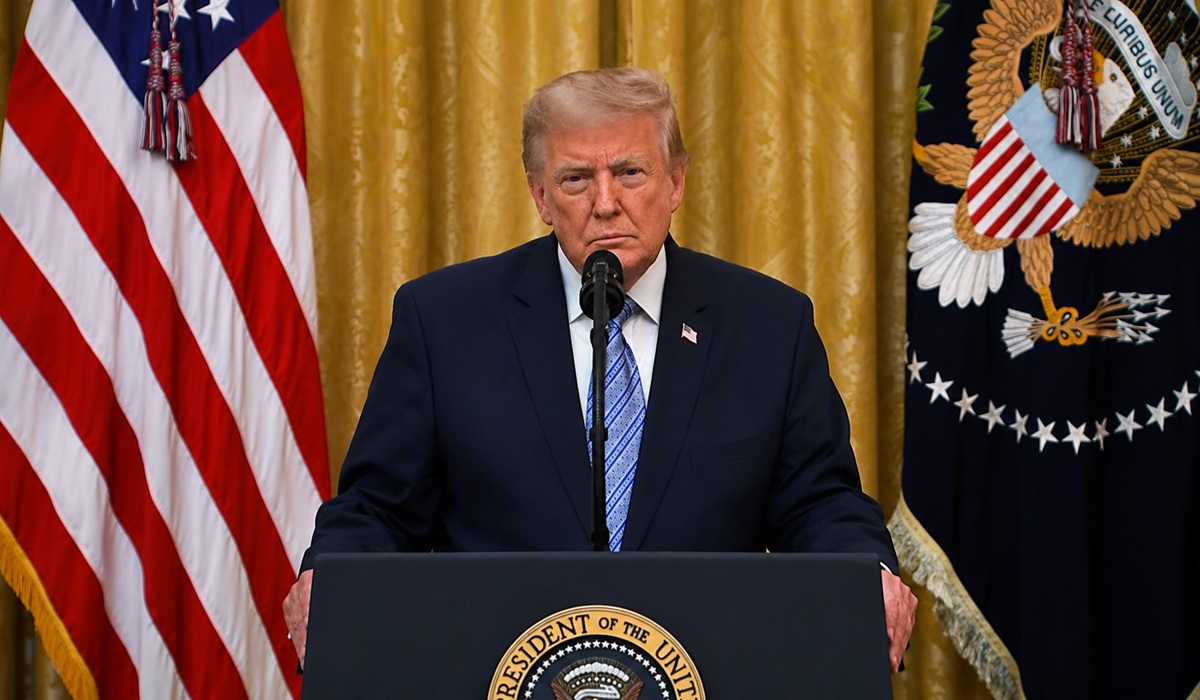
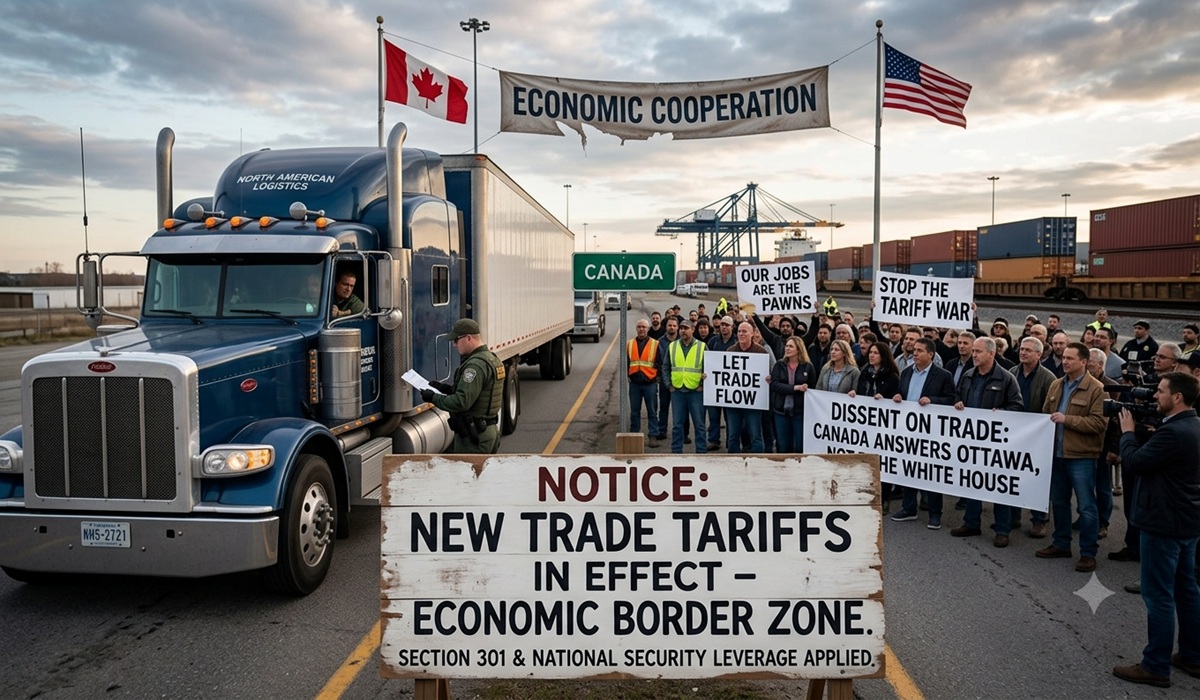
WASHINGTON, D.C. — The White House is preparing a new series of trade actions as temporary global duties near their expiration. Administration officials signaled that upcoming executive actions will pivot toward targeted, sector-specific tariffs aimed at protecting domestic industries and enforcing stricter labor standards among foreign trading partners.
The upcoming moves follow major announcements earlier this week, including a proposed 50% levy on select Canadian goods and new tariffs on Brazilian imports. The administration also outlined a sweeping long-term strategy for pharmaceuticals, announcing plans to eventually phase in steep tariffs on imported generic drugs to incentivize domestic manufacturing and secure national supply chains.
Trade envoys indicated that the broader framework will target dozens of countries based on labor compliance and trade fairness evaluations. Critics warn the rapid escalation could reignite broader trade disputes and inflate costs for U.S. businesses reliant on foreign components, while administration allies defend the measures as essential for domestic economic security and industrial revitalization.
Legal scholars and corporate trade groups continue to closely track the administration’s reliance on executive proclamations to alter import duties. Following earlier federal court rulings restricting executive emergency authorities for broad trade actions, the administration has increasingly turned to statutory trade mechanisms under Section 338 of the 1930 Trade Act and specialized industrial safety statutes. Domestic manufacturers remain divided over the approach, with raw material producers applauding the protectionist barriers while downstream assembly plants voice concern over rising input expenses.
On Capitol Hill, lawmakers from manufacturing districts have praised the focus on domestic supply chain independence, particularly in critical sectors like steel, aluminum, and pharmaceuticals. Conversely, agricultural exporters and retail sector representatives have raised alarms over potential retaliatory duties from foreign trading partners. Industry coalitions argue that sudden tariff adjustments create planning hurdles for multinational supply chains that require years to restructure.
In market reactions, trading desks reported heightened volatility across currency and commodity markets following the White House announcements. Import-heavy sectors in electronics, auto parts, and consumer goods traded lower, while domestic metals and manufacturing equities saw selective gains. White House economic advisers reiterated that foreign trading partners have 30 days to address regulatory and market-access concerns before the new rate schedules officially take effect.
About The Author