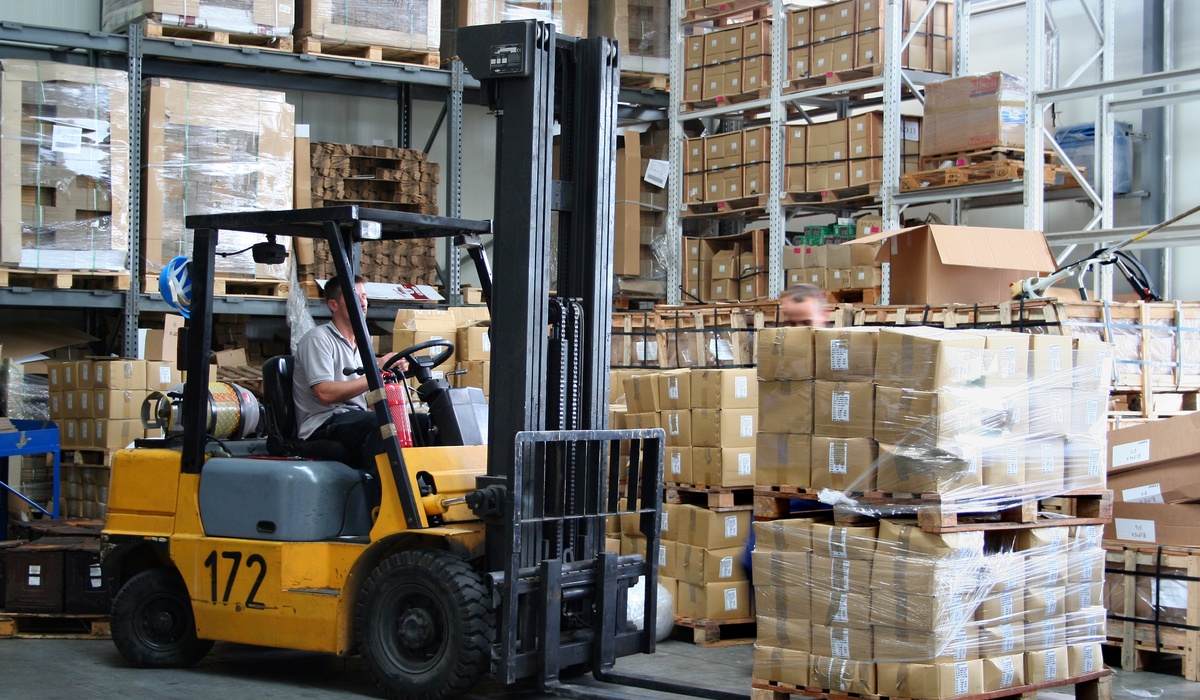
Warehouse performance affects more than company margins. It shapes delivery reliability, worker safety, local employment, and the movement of goods that households depend on every day. In a market where delays spread quickly through supply chains, warehouse leaders need practical systems that hold up under pressure. Use these tips to improve warehouse operations and boost productivity without treating workers like machines.
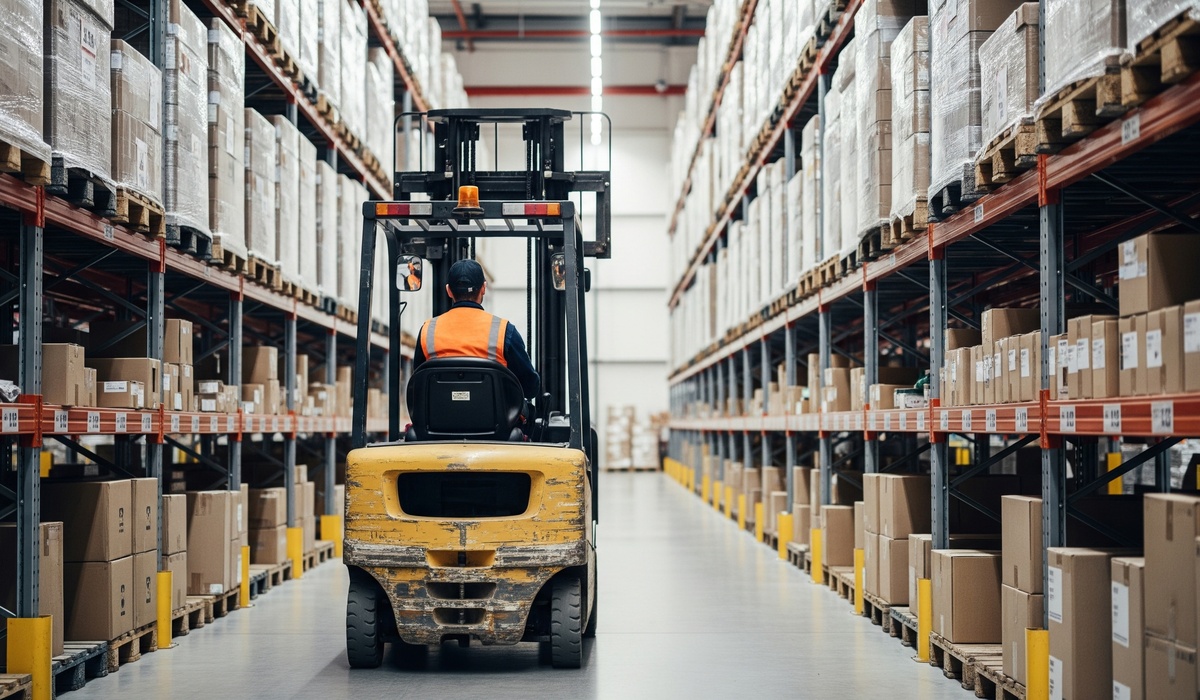
Warehouse efficiency often starts with movement. When supervisors trace the path from receiving to storage, picking, and packing, wasted time usually becomes apparent before any new software is even considered. Long walks to fast-moving products slow orders during busy periods. Blocked aisles force equipment operators to pause at the exact moments when the dock needs a steady flow. Over the course of a shift, those delays may look manageable. Over the course of a week, they can push shipments behind schedule.
Layout reviews work best when floor employees help shape them. They know where congestion begins because they work through it under real pressure. Moving frequently ordered products closer to packing stations can reduce strain without disrupting the whole building. Wider equipment paths can also prevent slowdowns near tight corners. Small physical changes often improve pace because workers spend less time working around the space itself.
Inventory accuracy supports nearly every decision inside the warehouse. When system records no longer match what teams can physically locate, supervisors start building workarounds rather than trusting the process. That loss of confidence leads to rushed searches, avoidable ordering decisions, and shipping delays that could have been prevented earlier. Over time, the operation spends too much energy correcting confusion after it has already reached the floor.
Cycle counting gives leaders a more reliable way to maintain accuracy without disrupting normal work. Instead of waiting for a large inventory event, teams can review selected products throughout the week and address problems while they remain contained. The review should go beyond correcting a number in the system. If one location keeps showing errors, the issue may sit in how staff receive the product or how the slot gets labeled.
Labor planning needs the same level of discipline. Schedules built on habit rarely match the true shape of demand, especially when order volume shifts with the season or customer behavior. Stronger planning starts with recent workload patterns, then adjusts staffing before pressure reaches the dock. That approach gives supervisors a better chance to protect speed without forcing workers into constant recovery mode.
Supervisors should also avoid treating productivity as a blunt instrument of pressure. Workers perform better when instructions remain clear, and priorities stay stable. A shift that begins with a realistic plan gives people room to maintain quality. Strong staffing decisions protect service levels while reducing burnout, which helps employers retain experienced workers.
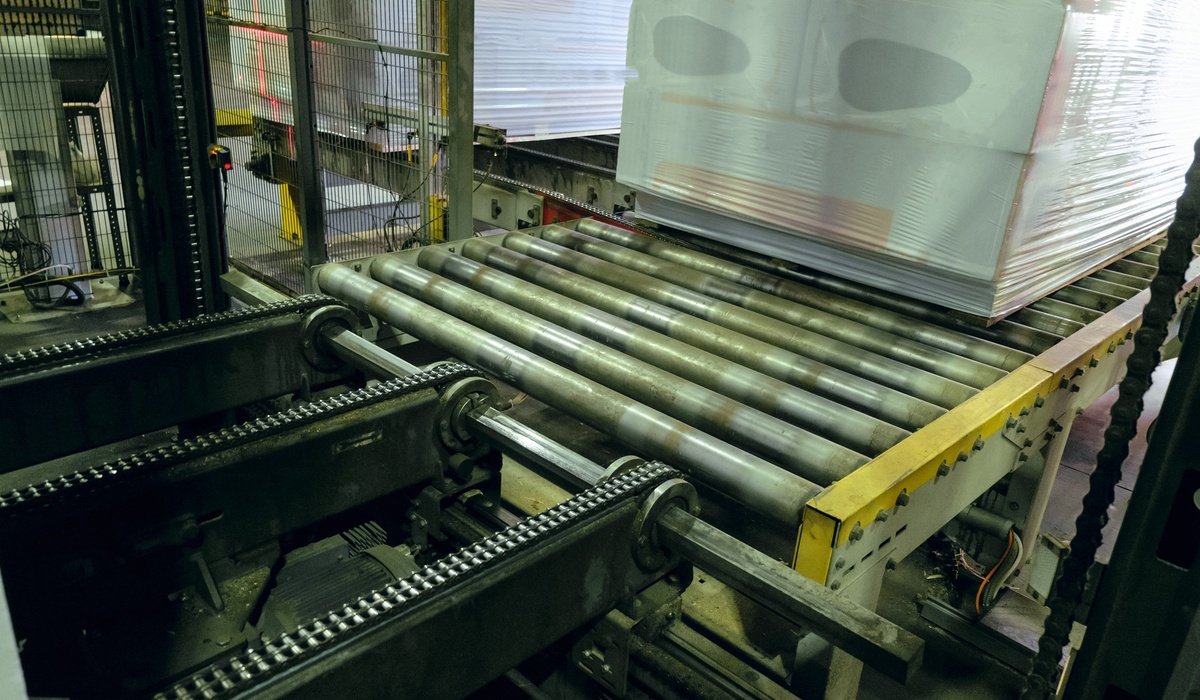
Palletizing also deserves close attention because it lies near the boundary between warehouse work and transportation work. Poor pallet patterns can slow loading and increase product damage. They can also force drivers and dock teams to handle freight multiple times. Every extra touch adds risk.
One of the best ways to optimize palletizing for higher efficiency is to automate your systems. This way, staff can focus on judgment-heavy work while machines handle repetitive stacking with consistent placement. Keep in mind that automation does not need to replace the whole operation at once. A phased approach can begin where volume remains predictable and product dimensions frequently strain.
Moreover, technology should support decisions rather than bury workers in screens. A warehouse management system can improve visibility when leaders configure it around actual work. If the system demands too many unnecessary scans, staff may look for shortcuts. However, if the management system provides clear direction, it can reduce errors while helping supervisors identify bottlenecks sooner.
Useful warehouse technology usually does a few things well:
- Shows accurate product locations
- Supports clear task assignment
- Flags exceptions early
- Tracks performance without encouraging unsafe speed
Managers should train workers on why the system asks for each step. People follow procedures more consistently when the reason feels practical.
Safety shapes the pace of warehouse work long before an incident appears in a report. When employees distrust traffic patterns or equipment conditions, they adjust by moving more cautiously through the building. That hesitation reflects experience, not poor performance. Mixed signals from supervisors can make the problem worse when workers hear urgency in one moment and warnings about safe conduct in the next.
Visible leadership makes safety feel real during the shift, not separate from the work. Managers should address hazards as they arise and treat worker concerns as early warnings when the pace begins to create pressure. That kind of attention protects employees while reducing the disruption that follows injuries, investigations, and unexpected absences.
Training cannot end after onboarding. New employees often receive a brief introduction, then face pressure to learn the rest during active shifts. That pattern creates inconsistent habits and leaves experienced workers carrying extra responsibility when errors appear. Ongoing coaching gives teams a steadier way to build skill without turning every mistake into a crisis.
Another tip for improving operations in your warehouse is to coach employees. Supervisors can use short observations during the shift and address one skill at a time. A worker who understands how to pack fragile goods properly may prevent repeated claims. Another worker may need guidance on scanning discipline. Focused coaching respects time while improving results.
Performance measurement should help leaders ask better questions. Numbers can reveal where work slows, but they cannot explain the floor on their own. A high pick rate may hide rushed handling. A low rate may reflect poor slotting rather than weak effort. Managers need context before they act.
Useful measurement should connect what happens on the floor with what customers ultimately experience. Order accuracy and shipping timeliness can show where pressure starts to distort the work, especially during heavy volume. When leaders study those patterns with floor employees, the numbers become a way to find friction rather than assign blame.
Improvement holds when employees see their input move into action. A practical process can let workers raise one problem, test a realistic fix, and see the result after the next shift cycle. Over time, that visible follow-through builds a warehouse culture in which better methods emerge from the work itself.
About The Author