Gunfire, Mines, and Fear: How Colombia’s Armed Conflict is Ravaging Rural Schools
- Naomi Dela Cruz
- Breaking News
- July 21, 2026
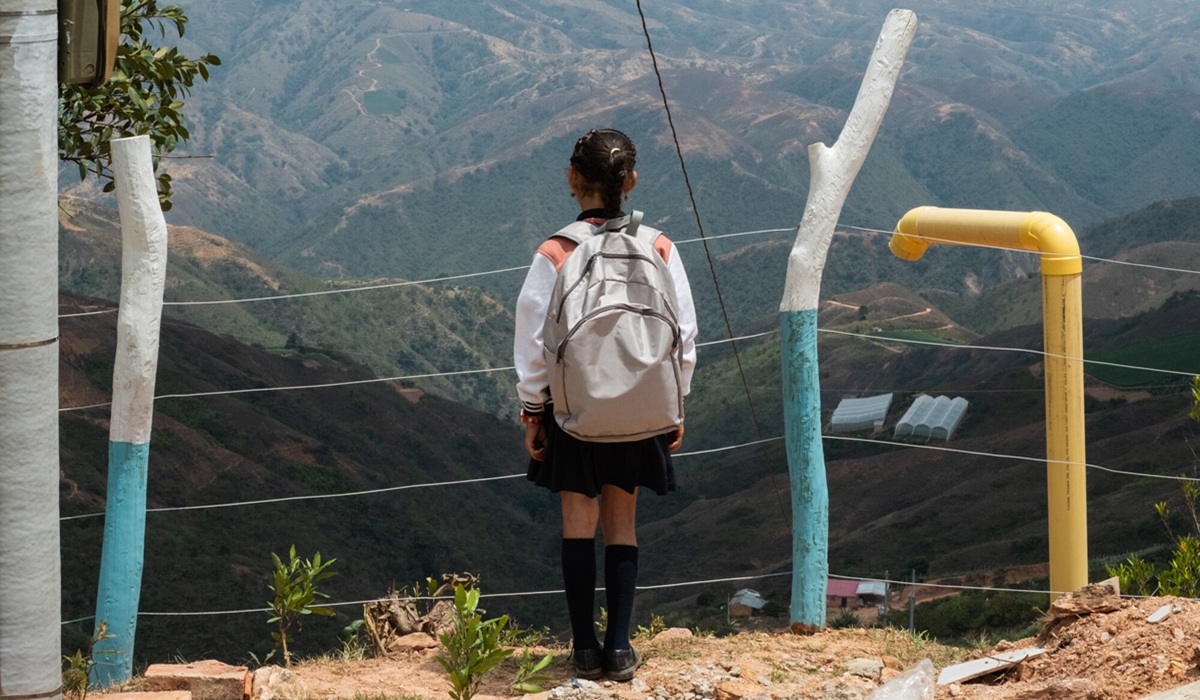
BOGOTÁ — Armed groups in Colombia launched attacks affecting education every three days on average during the first six months of 2026, leaving nearly 12,000 children, teachers and school personnel caught in the conflict, according to data released by the Norwegian Refugee Council.
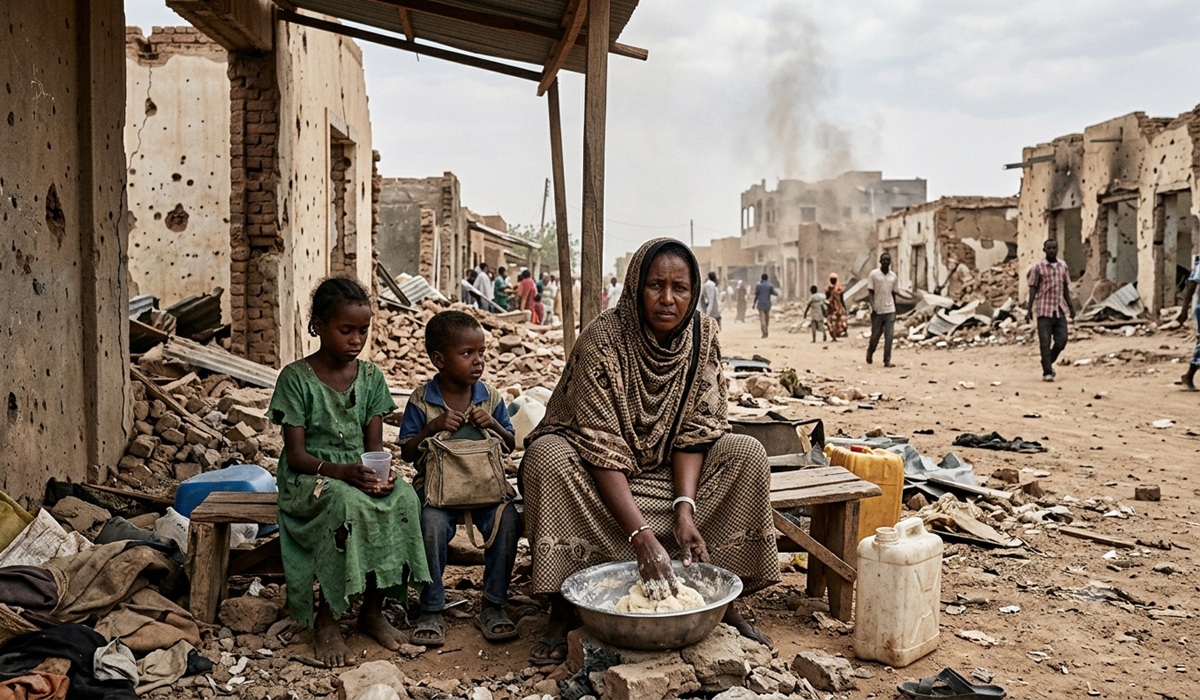
The humanitarian organization documented 61 distinct incidents across seven departments between January and June. The violence was heavily concentrated in the departments of Norte de Santander, Chocó and Cauca. While four in 10 attacks occurred on the routes students travel to class, 60% of the incidents took place directly inside classrooms and school grounds.
Mikel Mendezona, the Norwegian Refugee Council’s head of programs in Colombia, called it unacceptable that rural schools remain trapped in the crossfire. He urged all warring parties to respect international rules of war and maintain schools as safe zones.
The incidents documented range from crossfire and military occupations of school buildings to the deployment of landmines and the forced recruitment of minors. In one western community, armed men broke into a local school, occupied the building and attempted to force a female student into sexual acts in exchange for money. A local community member told the council that their school remains exposed and urgently needs funding for protection.
Relief efforts remain severely delayed. The aid organization reported that two out of every three affected schools are still awaiting emergency support, including demining operations, classroom repairs, protective perimeter fencing, mental health counseling and emergency training for teachers on handling unexploded ordnance.
A major barrier to state aid is land titling. Many rural schools in conflict areas lack official property deeds, which legally prevents government agencies from spending public funds to repair facilities or install security barriers.
Colombia remains one of the world’s most dangerous countries for education. Data from the organization shows that more than 71,500 students, teachers and staff have been impacted by conflict-related attacks on education since 2022.
About The Author