Escalating Middle East Conflict Threatens Global Energy Security As Ceasefire Collapses
- Hami Aziz
- Tiger's Eye Advisory Group - Trending News
- Middle East
- July 17, 2026
BEIRUT (AP) — The fragile security architecture of the Middle East fractured further this week as a short-lived ceasefire between the United States and Iran dissolved into a series of retaliatory missile strikes, pushing the region closer to an open conflict and triggering immediate volatility in global energy markets.
The breakdown of the truce, which had held precariously for just under three weeks, followed a series of drone attacks on U.S. military outposts in eastern Syria and western Iraq. Washington attributed the strikes to regional militias funded and equipped by Tehran. In response, the U.S. military launched coordinated airstrikes targeting command-and-control facilities, ammunition depots, and logistics hubs utilized by the Islamic Revolutionary Guard Corps and its affiliates.
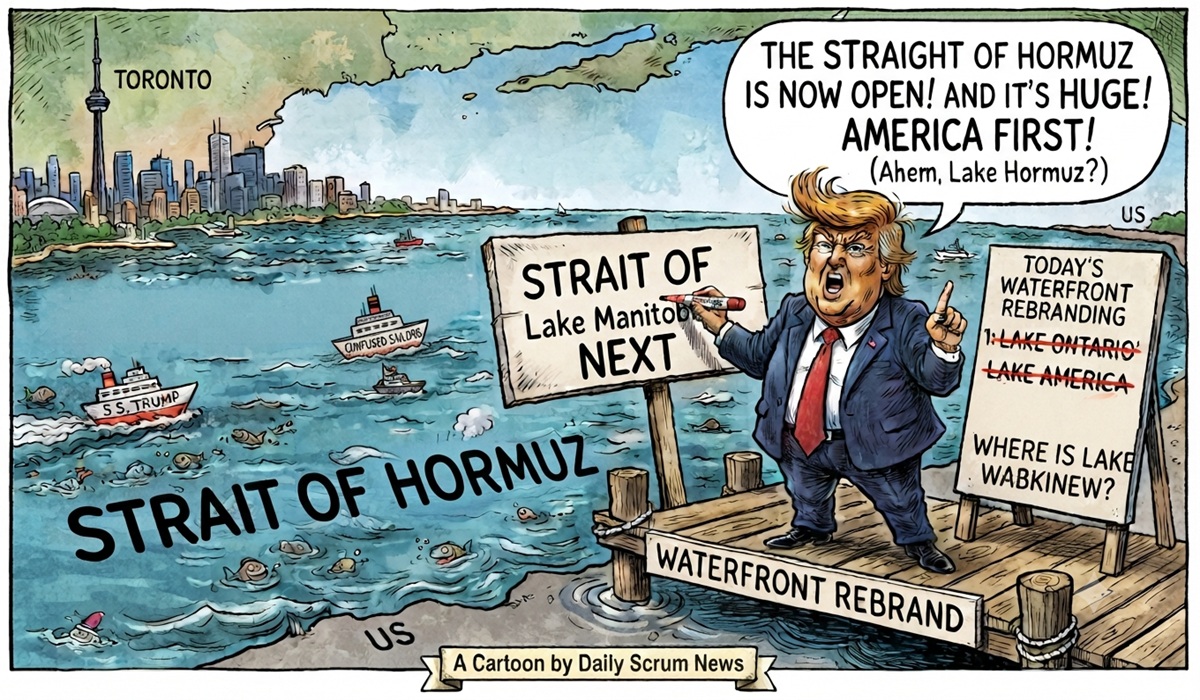
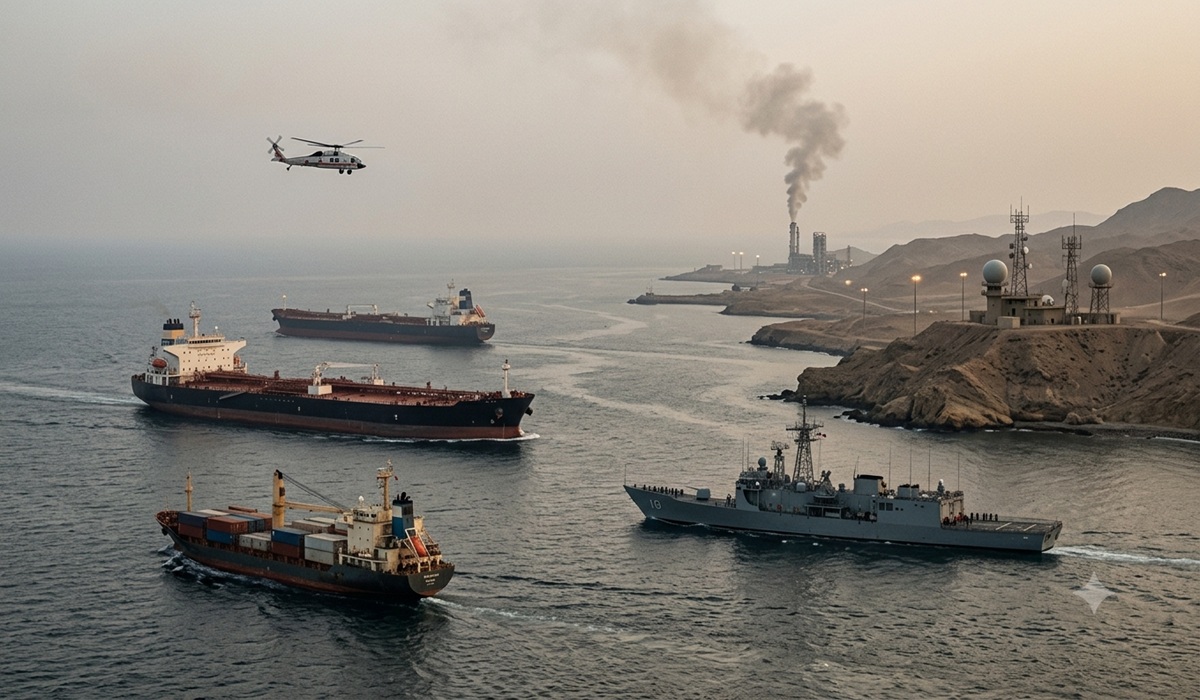
The rapid escalation has re-centered international anxiety on the Strait of Hormuz, the narrow waterway separating Iran from the Arabian Peninsula. Through this chokepoint flows roughly 20 percent of the world’s petroleum liquids, making it the most critical maritime transit corridor for global oil supplies.
By Friday morning, commercial shipping associations reported that oil tankers and cargo vessels had begun pausing transit or rerouting around the southern tip of Africa to avoid the Persian Gulf entirely. The detour adds up to two weeks to transit times, driving up shipping insurance premiums and operational costs for international logistics firms.
“The situation in the Gulf has transitioned from a localized security concern to an active threat to global commerce,” said Marcus Vandermeer, an analyst with the maritime intelligence firm Lloyd’s List. “Insurance underwriters are dramatically increasing war-risk premiums for any vessel entering the Gulf of Oman or the Strait of Hormuz. For many operators, the safer, albeit far more expensive, route around the Cape of Good Hope is becoming the only viable option.”
The impact of the security crisis was felt immediately on Wall Street and international energy exchanges. Brent crude, the global benchmark, spiked by more than six percent in early trading, briefly clearing the eighty-five-dollar-a-barrel threshold before stabilizing slightly. U.S. West Texas Intermediate crude experienced a similar surge, raising concerns among economists that rising fuel prices could complicate efforts by western central banks to manage lingering domestic inflation.
The diplomatic fallout has been swift and acrimonious. In his surprise national address on Thursday night, President Donald Trump blamed Tehran entirely for the collapse of the diplomatic track, warning of devastating economic and military consequences if commercial shipping in the region were compromised.
“Iran made a terrible mistake by violating the terms of our agreement,” Trump said during his White House broadcast. “They think they can disrupt global shipping and target our service members with impunity. They are wrong. If they do not halt these provocations immediately, they will face a level of economic devastation and military response unlike anything they have ever seen before.”
In Tehran, the Iranian foreign ministry rejected the administration’s accusations, asserting that the regional militias operate independently and accusing the United States of using the strikes as a pretext to expand its military footprint in the Persian Gulf. Iran’s foreign minister, speaking to state-aligned media, warned that any attempt to blockade or militarily patrol the Strait of Hormuz would be met with direct resistance.
“The responsibility for the instability in our region lies squarely with the aggressive and interventionist policies of the United States,” the Iranian statement read. “Iran has always sought to guarantee the security of maritime navigation in our regional waters. However, we will not stand by while our sovereignty is threatened and our economic lifelines are targeted by illegal sanctions and military aggression.”
European allies and regional powers, including Saudi Arabia and the United Arab Emirates, have urged both Washington and Tehran to return to the negotiating table. European diplomats have spent the last forty-eight hours engaged in intensive shuttle diplomacy, attempting to establish a backdoor channel to prevent a wider naval escalation in the Gulf.
“A full-scale conflict in the Persian Gulf is an outcome that benefits no one,” said French Foreign Minister Jean-Noël Barrot in a press conference in Paris. “It would have catastrophic consequences for the global economy, which is still recovering from years of supply chain disruptions. We call on all parties to exercise maximum restraint and utilize established diplomatic channels to de-escalate this highly volatile situation.”
Despite these diplomatic pleas, military commanders on both sides are preparing for a prolonged standoff. The Pentagon announced it is deploying additional naval assets to the region, including an aircraft carrier strike group and advanced missile defense batteries, to protect commercial shipping corridors and deter further attacks on American personnel.
For energy consumers worldwide, the immediate future remains highly uncertain. If the Strait of Hormuz remains contested for an extended period, energy analysts warn that retail gasoline prices in the United States and Europe could rise significantly in the coming weeks, putting renewed pressure on consumer spending and complicating global economic forecasts.
About The Author