Inside The U.S. Deployment As Ceasfire Fails In The Gulf
- Hami Aziz
- Middle East
- Tiger's Eye Advisory Group - Trending News
- July 15, 2026
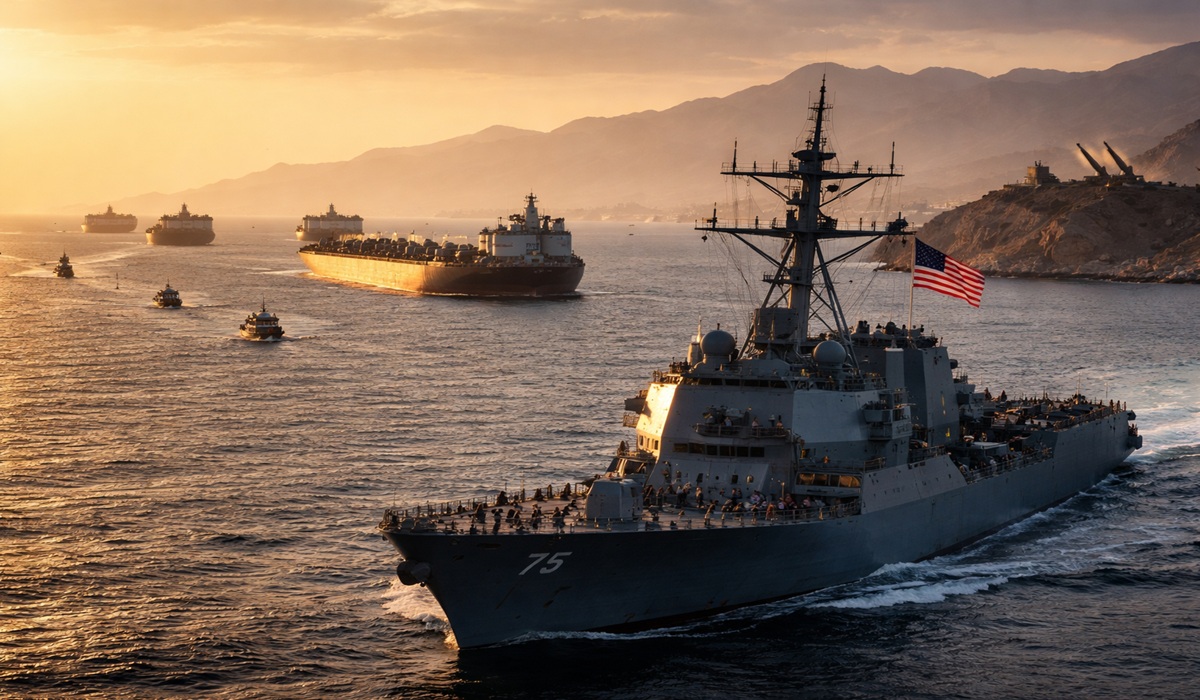
WASHINGTON — The fragile, tentative peace that briefly calmed the waters of the Persian Gulf earlier this spring has thoroughly collapsed, plunging the United States and Iran back into a high-stakes, direct military confrontation. Pentagon officials confirmed this week that a multi-carrier strike group has re-entered the region, initiating what defense analysts are calling a “perpetual surge” designed to enforce an absolute maritime blockade on Iranian energy exports and stop drone attacks on commercial vessels.
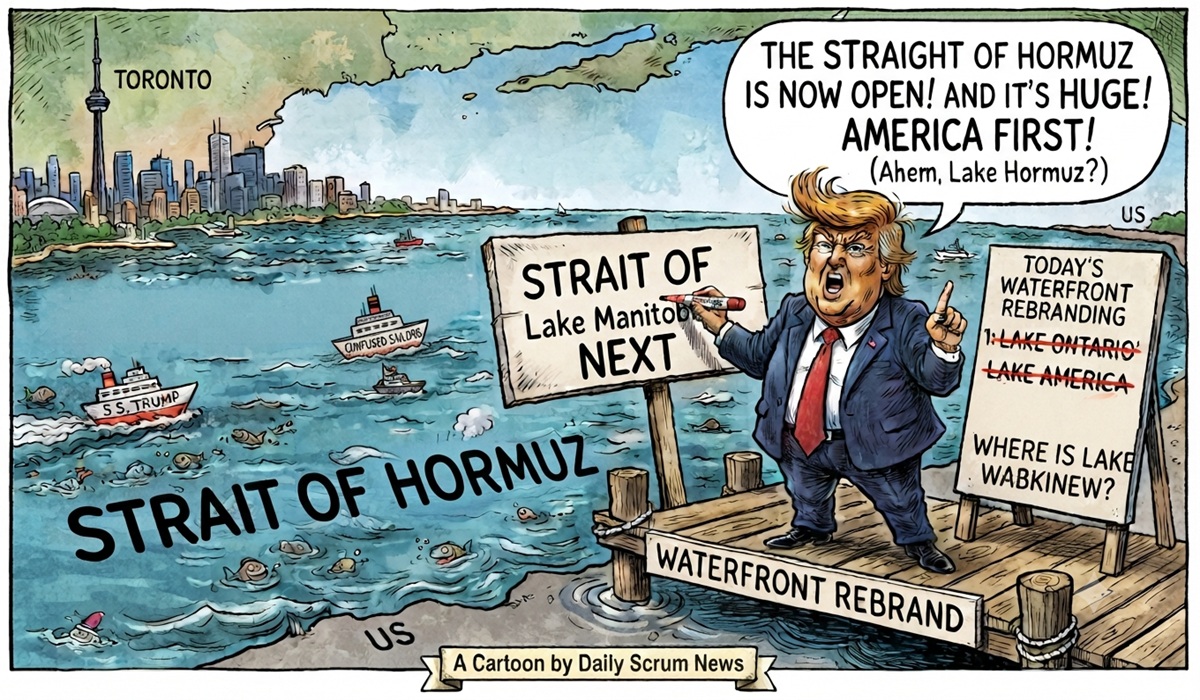
The escalation follows a chaotic series of mid-summer events in the Strait of Hormuz, a narrow choke point where nearly a fifth of the world’s petroleum passes. According to U.S. Central Command, a swarm of fast-attack craft belonging to Iran’s Islamic Revolutionary Guard Corps attempted to seize a commercial tanker flying a Liberian flag. American naval forces intervened with devastating, targeted air strikes. While previous military strategies relied on surgical, temporary responses, the current posture is a sustained, grinding air and sea campaign aimed at systematically dismantling Iran’s coastal defense infrastructure.
In Washington, the domestic political friction over the conflict is reaching a boiling point. The administration formally informed congressional leaders that the U.S. has entered a renewed phase of hostilities, sidestepping the need for a new declaration of war by tying the operations to existing maritime security authorities. For the American taxpayer, the financial toll of this multi-month theater has already surpassed $113 billion, prompting fierce debates on Capitol Hill regarding funding priorities. Skeptical lawmakers are demanding to know the long-term exit strategy, pointing out that initial promises of a swift, high-pressure campaign have evolved into a protracted war of attrition.
On the ground in the region, the human and strategic costs are mounting daily. Elite units and advanced logistics teams are operating under high-alert conditions, bracing for potential retaliatory cyberattacks or asymmetric strikes against regional bases. Despite the deployment of thousands of service members, defense officials insist that a massive ground invasion remains off the table. Instead, the focus rests entirely on a suffocating economic blockade. The immediate casualty of this strategy, however, has been global market stability. Energy prices have spiked to historic highs, and international shipping conglomerates are routing cargo thousands of miles around Africa to avoid the combat zone.
As diplomatic channels remain completely frozen, the conflict shows every sign of deepening. International allies have offered mixed support, with some European nations expressing deep anxiety over the risk of a broader regional conflagration. With neither Washington nor Tehran showing any willingness to blink, the current escalation has moved past a simple border skirmish, cementing itself as one of the defining, volatile geopolitical crises of the decade.
Beyond the immediate theater of naval skirmishes, intelligence agencies warn of a growing proxy war spilling into neighboring states. Pentagon briefers have pointed to a sharp uptick in rocket and drone activity targeting logistics hubs in eastern Syria and western Iraq, places where U.S. troops have long maintained a delicate, tripwire presence. These attacks are widely believed to be orchestrated by regional militias acting under direct instructions from Tehran. The widening perimeter of the conflict has forced military commanders to divert crucial air defense assets, such as Patriot missile batteries, away from other strategic global positions, a move that critics warn could leave American interests elsewhere vulnerable.
Meanwhile, the psychological toll on the thousands of service members deployed to the arid waters of the Gulf is becoming a key talking point in congressional oversight hearings. Sailors and Marines, many of whom had expected to return home under the terms of the short-lived spring memorandum of understanding, now face indefinite deployment extensions under grueling summer heat. As domestic anti-war protests begin to crop up in major American cities, the administration is finding it increasingly difficult to sell the necessity of a “perpetual surge” to a war-weary public that is simultaneously grappling with a highly volatile domestic economy.
About The Author