Who Is Actually Ready to Govern? Don Woodstock’s Transit Announcement May Have Just Changed the Race
- Contributor
- Breaking News
- July 6, 2026
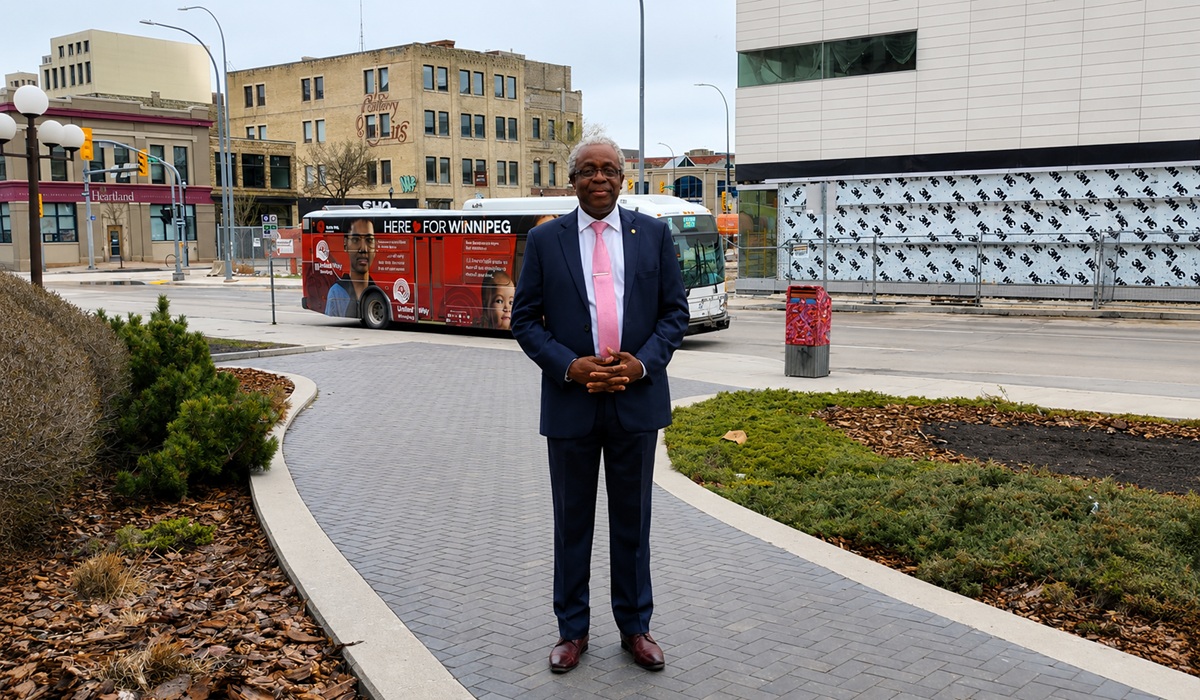
Every election eventually reaches the point where voters stop listening to campaign slogans and begin asking a much simpler question: Who is actually ready to do the job? Promises are easy to make when there are no consequences attached to them. Governing is different. Governing requires preparation, experience, trusted advisors, implementation plans and, perhaps most importantly, an understanding that election day is not the beginning of the work. It is the deadline by which the work should already be underway.
That is what makes Don Woodstock’s latest announcement far more significant than another campaign policy release. It wasn’t simply a promise to fix Winnipeg Transit. It was the unveiling of a transition structure that, according to the campaign, has already been assembled. The Chair has accepted the appointment. Seven core members have already been identified, vetted and finalized. The remaining two seats have been reserved for Indigenous leadership and a representative from the transit union, to be appointed once Woodstock is sworn in as Mayor. Whether one agrees with every proposal is almost beside the point. The larger message is unmistakable: this campaign believes it is preparing to govern, not merely preparing to campaign.
That distinction is becoming increasingly important because there is arguably no other candidate in this race with the depth of firsthand knowledge Woodstock brings to this particular portfolio. Before entering politics, he spent nearly a decade as a Winnipeg Transit operator. His wife also drove for Winnipeg Transit, and many of the people surrounding him have spent years working within the system itself. That doesn’t automatically make every idea the right one, but it does mean his opinions are rooted in lived experience rather than observation from outside City Hall. At a time when many Winnipeggers believe the system has drifted further away from the people who actually use and operate it every day, that experience carries weight.
The announcement itself reinforces that point. Rather than proposing another study or another review, Woodstock has laid out a detailed implementation strategy that begins on day one. Restore approximately 1,700 bus stops. Bring back the core of the previous route network while preserving the strongest elements of the current design to create what his campaign calls the Modern Efficient Transit System. Eliminate costly on-demand service. Reintroduce familiar route names. Establish permanent public consultation. Complete the entire 20-point overhaul within a strict 24-month timeline. Agree or disagree with those policies, there is no denying they represent a level of preparation that has yet to be matched elsewhere in the race.
Perhaps the strongest language contained in the announcement has nothing to do with buses at all. It is about accountability. For years, frustrated riders have complained that no one inside City Hall ever seems responsible when major projects fail. Woodstock’s campaign is taking the opposite approach by placing responsibility squarely on those who designed and implemented the current system. His announcement leaves little room for interpretation.
“A full review of Transit senior administration will begin immediately, and all those who had a role in this overhaul will be FIRED.”
That is not the kind of language municipal candidates typically use. Most prefer carefully crafted statements about reviews, evaluations and future discussions. Woodstock instead makes it clear that if people were responsible for decisions that have created widespread frustration among riders, they should also be prepared to accept responsibility for the consequences.
The same philosophy extends beyond City Hall. His campaign also pledges to end the City’s relationship with the outside consulting firm involved in developing the current system.
“All ties with the outside consulting firm responsible for this failed transit system will be severed.”
Again, people will undoubtedly debate whether that is the right decision. They should. Public policy deserves healthy debate. What cannot be debated is the clarity of the commitment. Voters know exactly what he intends to do, when he intends to do it, and who he believes should be held accountable.
What may be even more telling is that this announcement does not exist in isolation. It follows detailed policy releases on water and sewer affordability, youth sports, recreation, homelessness and public safety. One by one, the campaign has released proposals that extend well beyond campaign slogans. They include implementation strategies, governance structures, timelines and measurable objectives. That doesn’t guarantee success if elected, but it does suggest a campaign that has invested considerable time thinking about governing instead of simply thinking about winning.
Municipal elections are rarely decided by who gives the best speech. They are decided when voters begin believing one candidate looks more prepared than everyone else on the ballot. Right now, whether discussing public transportation, water affordability or youth investment, Woodstock’s campaign is increasingly setting the policy agenda rather than reacting to it. More importantly, it is forcing every other candidate to answer a difficult question: if they believe they have a better plan, where is it?
That may ultimately become the defining issue of this election. Experience can be debated. Personalities will always divide opinion. Campaign styles differ. Preparation, however, is visible. It either exists or it doesn’t. On one of the city’s largest and most complicated files, Woodstock has moved beyond saying he can fix the problem and begun showing voters how he intends to do it. As election day draws closer, the pressure is no longer just on him to defend his plan. It is now on everyone else to demonstrate they have one that is equally credible.
About The Author