United States: Deadly Heat Wave Exposes America’s New Emergency Reality
- Kingston Bailey
- U.S.A
- July 6, 2026
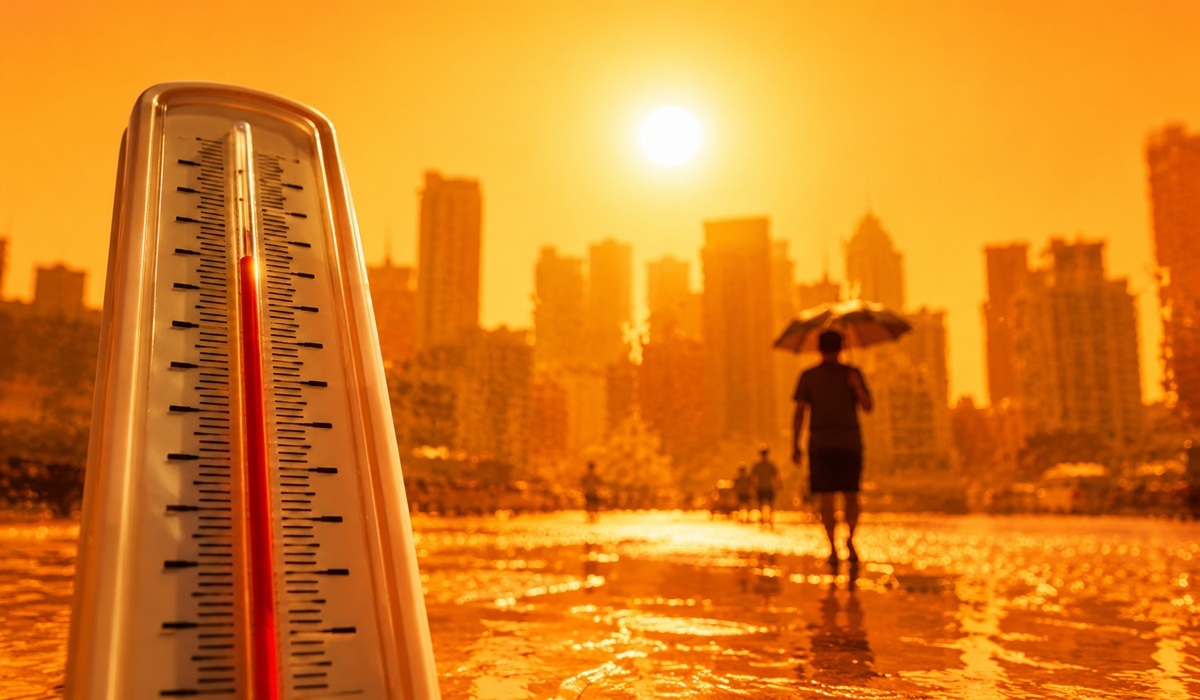
A dangerous heat wave has turned deadly across parts of the United States, with New Jersey reporting at least 19 suspected heat-related deaths and broader reporting pointing to dozens of deaths as extreme temperatures stretched across several states. The heat was not simply uncomfortable summer weather. It was the kind of sustained, high-risk event that overwhelms vulnerable people, strains power systems, forces event cancellations and reminds the country that heat is now one of the most serious public safety threats in America.
The hardest-hit communities show the familiar pattern of modern heat emergencies. Many victims are elderly, isolated, medically vulnerable or living without reliable air conditioning. Some are found indoors, where homes become traps when temperatures do not fall enough overnight. Others are outside, exposed to heat that the human body cannot manage for long, especially when humidity remains high and shade is limited.
Newark reportedly reached 105 degrees Fahrenheit, while Atlantic City reached 106, according to reporting on the New Jersey heat deaths. Those numbers are not just records on a weather map. They are emergency conditions. When pavement, buildings and vehicles absorb heat through the day, cities can remain dangerously hot long after sunset. That means the body does not get the recovery period it needs, and the risk compounds hour by hour.
The heat dome responsible for the event created the classic conditions for disaster: high temperatures, heavy humidity and weak overnight cooling. This is the part of the story that often gets missed. A one-day hot spell can be dangerous, but a multi-day heat event is far more deadly because it slowly breaks down people, infrastructure and emergency response capacity. Hospitals see more heat illness. Paramedics answer more calls. Power grids face heavier demand. Families without cooling options are left trying to improvise survival.
The United States has long treated hurricanes, tornadoes and wildfires as obvious disasters. Heat is different because it is quiet. It does not always produce dramatic images in the first hours. There are no floodwaters rushing down streets or flames racing over hillsides. But by the time the deaths are counted, the scale of the emergency becomes clear. Heat kills in apartments, in gardens, at bus stops, in parked vehicles and in homes where the air simply stops being survivable.
Severe thunderstorms followed the heat in parts of the Northeast, creating a second emergency layered on top of the first. Reports indicated widespread power outages affecting hundreds of thousands of customers across multiple states after strong winds brought down trees and utility poles. For families already recovering from days of extreme heat, losing power can mean losing the only protection they had left.
This is where the national conversation has to shift. The issue is no longer whether extreme heat happens. It is how cities, states and the federal government prepare for it. Cooling centres must be treated as emergency infrastructure. Public messaging must reach seniors, renters, people with disabilities, outdoor workers and families without vehicles. Utilities must be ready for demand spikes. Local governments must know which neighbourhoods are most at risk before the heat arrives, not after the death toll is counted.
The political challenge is that heat policy is not flashy. It involves tree cover, housing standards, utility reliability, emergency planning, public transit shelters, labour protections and neighbourhood-level outreach. It means asking whether low-income residents can afford to run air conditioning when the government tells them to stay indoors. It also means recognizing that some communities are hotter because of design choices made over decades, including fewer trees, more concrete and older housing.
The human lesson is even simpler. Check on people. Heat emergencies punish isolation. A phone call, a ride to a cooling centre or a neighbour knocking on a door can save a life. Government has responsibilities, but community still matters when temperatures become deadly.
America’s latest heat wave is not just a weather story. It is a warning about preparedness, inequality and the changing nature of public safety. The country knows how to mobilize for storms. It must now learn how to mobilize for heat with the same seriousness, because the next dangerous stretch will not wait for the country to finish debating whether this one was bad enough.
About The Author