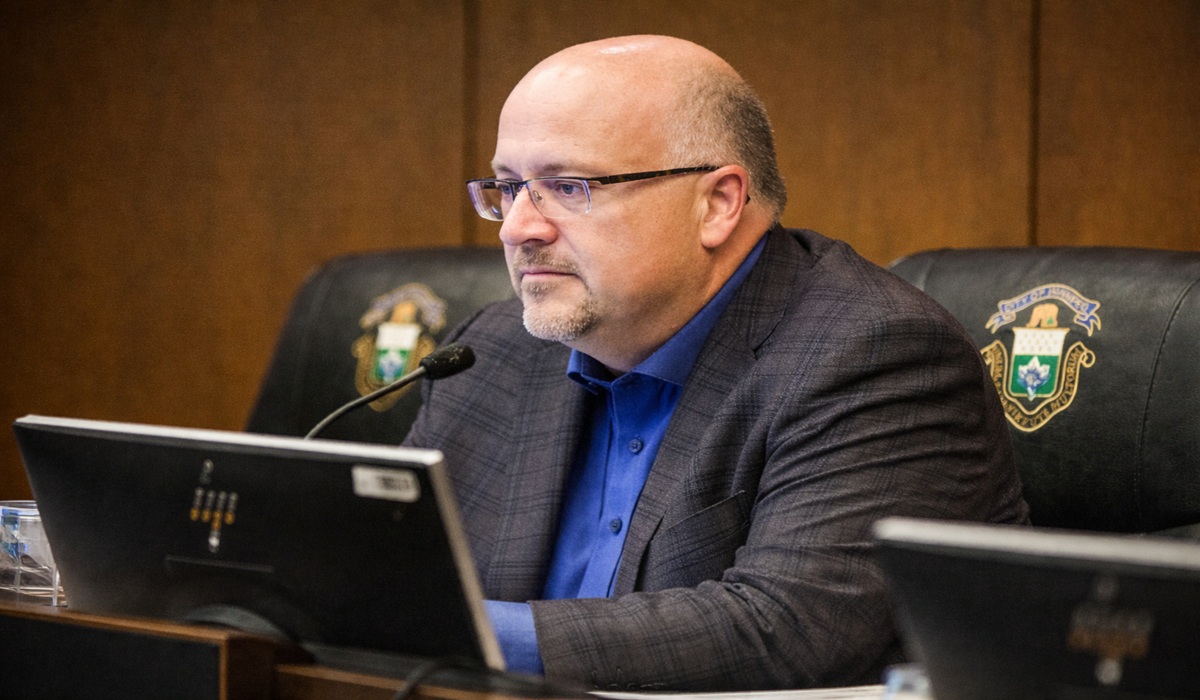
It has been more than a week since mayoral candidate Jeff Leiper announced that his campaign had surpassed $100,000 in grassroots donations, with support from more than 700 donors across all 24 wards. The campaign also reported nearly 20,000 doors knocked and hundreds of volunteers engaging residents throughout the city. While those fundraising milestones attracted attention, they tell only part of the story of a campaign that appears focused on connecting with people wherever they are.
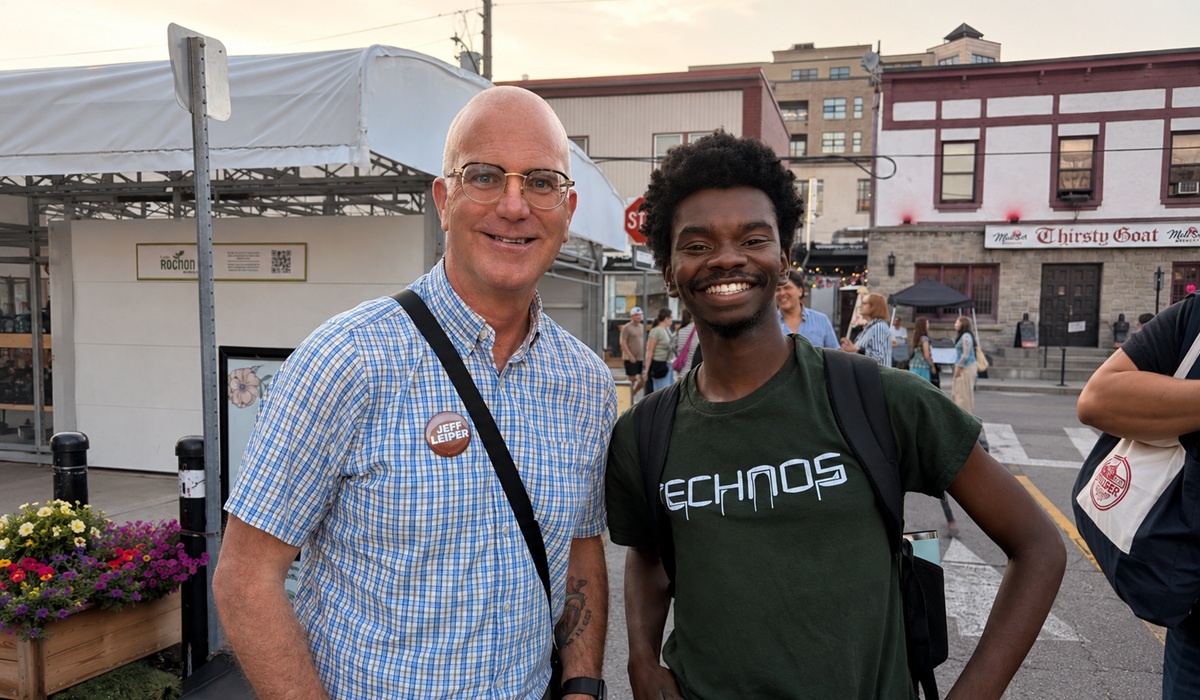
That community-first approach was on display recently at Ottawa’s Vegan Festival, where Leiper’s appearance caught the attention of many attendees who were surprised to see a mayoral candidate spending time at an event that sits outside the traditional political campaign circuit. Rather than making headlines with speeches or announcements, the visit offered an opportunity for conversations with residents in an environment centered on community, health, sustainability, and local businesses.
Among those attending was Donovan Martin Jr., a recent Carleton graduate and longtime vegetarian, who said he was genuinely pleased to see Leiper at the festival. He admitted it was not the type of event where he expected to encounter someone campaigning to become Ottawa’s next mayor, but felt the visit reflected a willingness to engage with communities that are sometimes overlooked during election campaigns.
“I was really happy to see him there,” Martin Jr. said. “As a vegetarian, it meant something that he took the time to come out. It showed me he wants to be a mayor who includes everyone, regardless of their interests or lifestyle. Those are the kinds of events where people still deserve to feel represented.”
The day also carried an unfortunate ending. Having recently purchased a new bicycle, he chose to ride it to the festival—its very first outing. After returning home, he put the bike in the storage garage of his apartment, only to discover it had been stolen. Just one day after buying it, and after riding it only once, it was gone.
While disappointed by the theft, he said the experience reinforced the need to continue addressing everyday crime that directly affects residents. Bicycle theft may not generate the same headlines as larger public safety issues, but it can have a real impact on people who rely on cycling and public transit as affordable, dependable ways to get around the city.
“It was disappointing,” he said. “I’d like to see more done to prevent these kinds of crimes because they affect ordinary people every single day, especially students.”
The incident also serves as a reminder that transportation extends beyond buses and roads. For many residents, cycling forms part of their daily commute, and ensuring cyclists can lock up their bikes without fearing they will disappear is another piece of building a city where people feel safe choosing active transportation.
Leiper’s campaign has consistently emphasized improving everyday city services, including more reliable transit, affordable housing, and responsive municipal government. Those priorities were highlighted in last week’s fundraising announcement, which noted that volunteers have been hearing the same concerns repeatedly at thousands of doorsteps across Ottawa. Reliable public services, safer neighbourhoods, and a city that delivers on the basics continue to emerge as recurring themes from residents.
Crossing the $100,000 fundraising mark is a notable achievement for any municipal campaign, particularly when the overwhelming majority of donations came from smaller grassroots contributions. However, campaigns are often remembered less for fundraising totals than for the moments when candidates show up in places people least expect them. For at least one festival attendee, seeing Leiper at Ottawa’s Vegan Festival demonstrated a style of leadership rooted in listening, inclusion, and being present in every corner of the community.
As the mayoral race continues, those everyday interactions may prove just as meaningful as campaign announcements. Whether speaking with commuters, families, small business owners, or residents at a community festival, the opportunity to build trust often begins with simply showing up.
About The Author