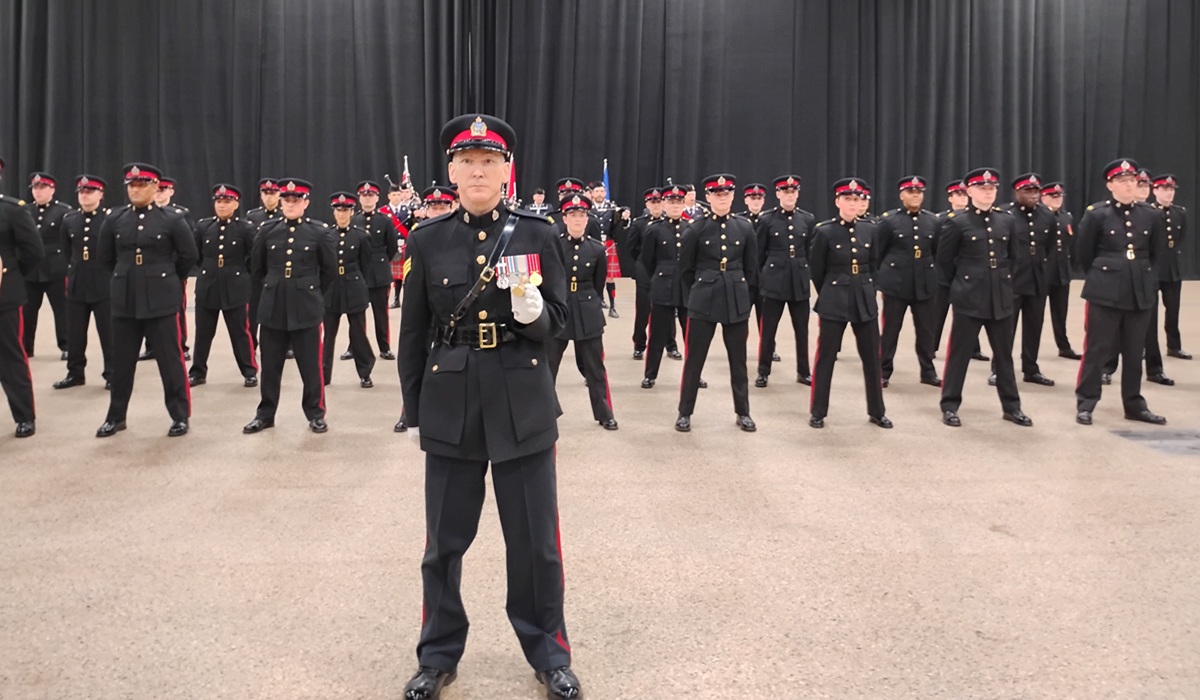
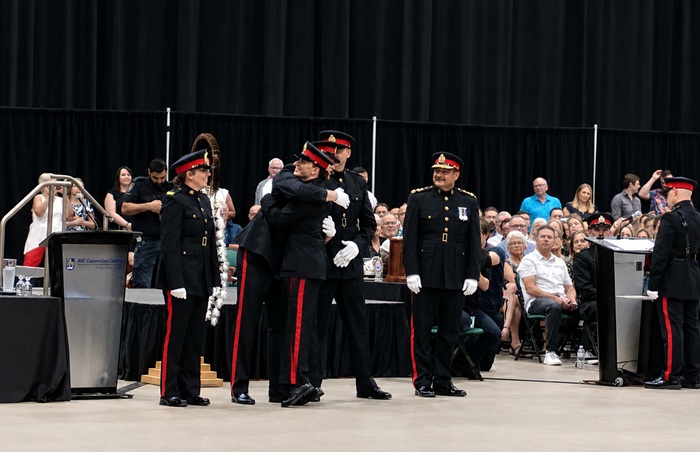
This past weekend, Winnipeg Police Recruit Class 173 officially graduated and joined the ranks as full-fledged police constables. For the graduates, it marked the successful completion of months of demanding training, evaluation, and preparation. For Winnipeg, it represented a new group of men and women choosing to dedicate their careers to serving and protecting their community.
Becoming a police officer is not easy. The selection process is designed to identify individuals who possess not only the physical abilities required for the job but also the judgment, integrity, discipline, and character necessary to make difficult decisions under pressure. Long before recruits ever walk across the stage at graduation, they have already demonstrated a commitment to public service.
As someone who has spent years working within communities across Winnipeg, I understand the important role policing plays in maintaining public safety. I have also long believed that the strongest police services are those that become part of the communities they serve. Modern policing extends far beyond responding to calls. It involves building trust, fostering relationships, and working alongside residents to create safer neighbourhoods.
One of the clearest examples of that approach can be found through sports and recreation. Winnipeg police officers have spent years participating in basketball games with students, hockey events, volleyball tournaments, and other community activities that bring young people and law enforcement together in positive settings. Those interactions help break down barriers, build trust, and create opportunities for mentorship. It is one of the reasons I have often spoken about a simple idea: more sports, less crime.
The principle is straightforward. Crime prevention begins long before an offence is committed. It starts with positive influences, strong role models, recreation opportunities, family support, education, and community involvement. When young people feel connected and supported, entire communities benefit.
The graduation arrives at a time when public safety remains a major topic of discussion in Winnipeg. Our city continues to face challenges related to addictions, mental health, gangs, and property crime. At the same time, there are encouraging signs that progress is being made, thanks to the efforts of law enforcement, community organizations, educators, volunteers, parents, and countless residents working toward the same goal.
Despite the challenges associated with modern policing, people continue to step forward and serve. Recruits continue to apply, young people continue to join cadet programs, and families continue to support loved ones entering the profession. That speaks not only to the character of those graduating but also to the enduring importance of public service.
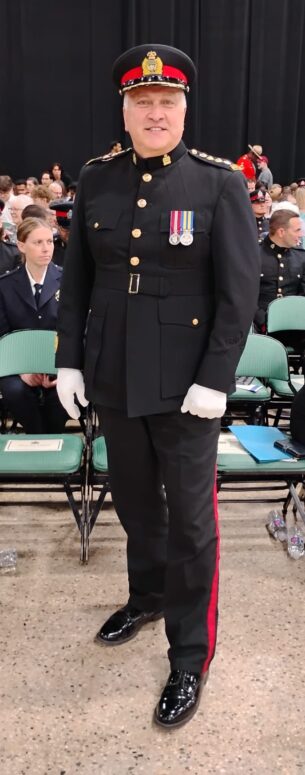
It also reflects the strength of the Winnipeg Police Service and the people responsible for preparing future officers. Chief Gene Bowers has frequently emphasized the importance of professionalism, public trust, and community engagement. Those priorities are reflected in the work officers perform every day throughout the city.
Deputy Chief Labissiere has also highlighted the tremendous effort required to prepare recruits for service. Behind every graduation ceremony are months of classroom instruction, practical exercises, scenario-based training, mentorship, and evaluation. While the public sees the ceremony, much of the work happens behind the scenes through the dedication of instructors, supervisors, and academy staff committed to preparing recruits for the realities of the job.
Behind every graduating officer is a family that made sacrifices along the way. Parents, spouses, children, siblings, and loved ones often share in the demands that come with a policing career. Long hours, shift work, missed holidays, and the stresses associated with public safety affect entire households, not just the officers themselves.
Another reality that is often overlooked is the mental and emotional weight carried by those in law enforcement. Officers regularly encounter situations involving tragedy, crisis, violence, and loss. They are expected to remain calm and professional while helping others through some of the most difficult moments of their lives.
That is why mental health support continues to be so important within policing. Ensuring officers have access to the resources they need helps them perform their duties effectively and maintain their own well-being throughout their careers. Supporting those who serve is ultimately an investment in the communities they protect.
As these new constables begin their careers, they enter a profession that carries significant responsibility and equally significant opportunity. Every day will bring new challenges, but it will also provide opportunities to make a meaningful difference in the lives of Winnipeg residents. The graduation of Class 173 is about more than adding officers to the streets. It is a reminder that strong communities are built by people willing to serve others, lead by example, and invest in the well-being of future generations.
Whether through enforcement, mentorship, community outreach, or a conversation with a young person at a basketball court or hockey rink, the work of policing ultimately comes back to people. At its best, it is about building stronger communities, creating safer neighbourhoods, and ensuring the next generation has every opportunity to succeed.
About The Author