Afghan–Russia Arms deal a Strategic Reality
- Naveed Aman Khan
- Pinpoint
- Tiger's Eye Advisory Group - Trending News
- May 30, 2026
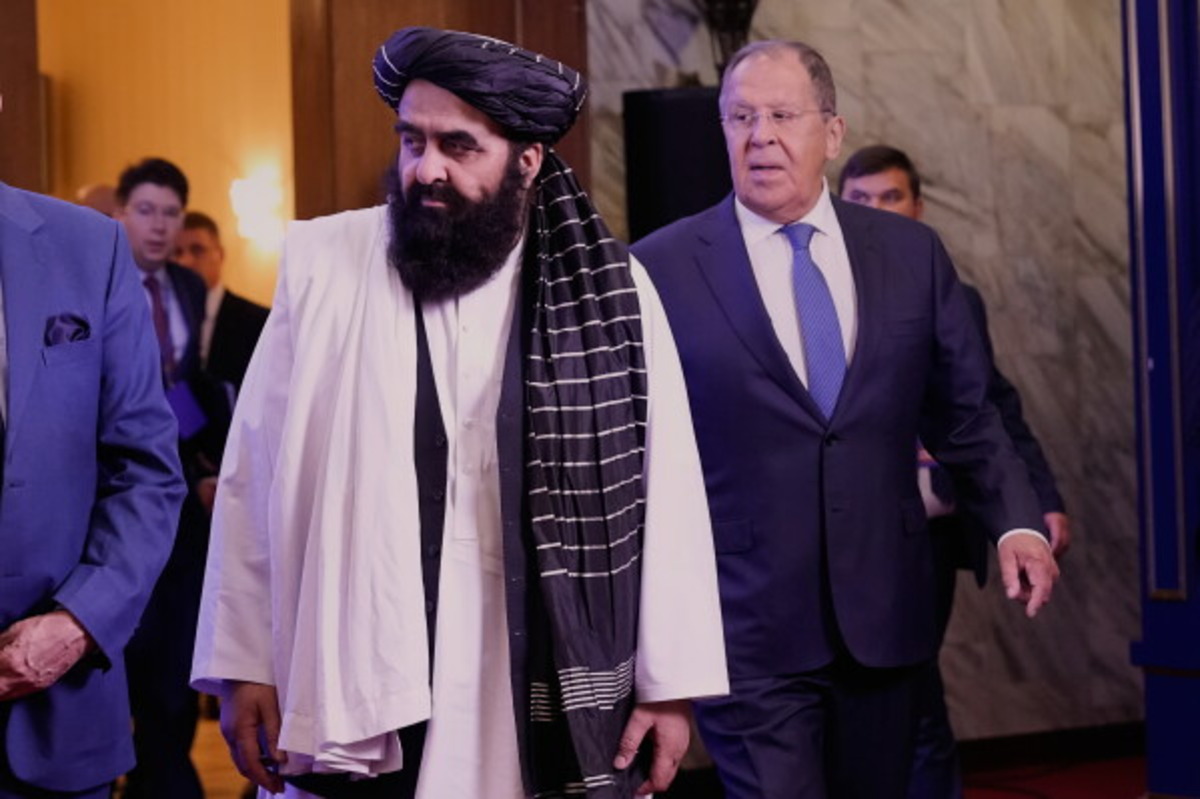
The emerging military and strategic partnership between Afghanistan and Russia marks one of the most significant geopolitical developments in South and Central Asia since the Taliban returned to power in 2021. The recent military-technical cooperation agreement signed between Kabul and Moscow, coupled with the high-profile meeting between Afghan Foreign Minister Amir Khan Muttaqi and Russian Foreign Minister Sergey Lavrov, signals a new phase in regional power politics. What was once viewed as a limited diplomatic engagement has now evolved into a broader security and defense relationship with potentially far-reaching consequences for Pakistan, Central Asia, and the wider region.
Russia’s decision to deepen relations with the Taliban government did not emerge overnight. Moscow gradually removed political barriers by delisting the Taliban from its terrorist designation framework and subsequently became the first major power to formally recognize the Taliban-led government in Afghanistan. This recognition opened the door for expanded cooperation in trade, counterterrorism, security, and now military affairs.
From Russia’s perspective, the arms agreement serves multiple strategic objectives. First, Moscow seeks to prevent the spread of extremist organizations such as ISIS-K across Central Asia and into Russian territory. Russian has praised Taliban operations against ISIS-K and have emphasized enhanced security cooperation with Kabul. Second, Russia aims to fill the geopolitical vacuum left by the United States after its withdrawal from Afghanistan. By cultivating influence in Kabul, Moscow strengthens its position in a region historically viewed as strategically important to Russian security interests. Third, Afghanistan possesses enormous untapped mineral resources, including lithium, copper, and rare earth elements. A stable relationship with Kabul could provide Russia long-term economic opportunities and strategic access to these resources.
For Afghanistan, the motivations are equally compelling. The Taliban government remains diplomatically isolated and economically constrained despite controlling the country. Military cooperation with Russia provides legitimacy, access to weapons systems, military technology, training opportunities, and political support at international forums. The agreement also sends a message that Afghanistan is no longer entirely dependent on neighboring countries or traditional regional patrons. Kabul appears determined to diversify its foreign partnerships and reduce excessive reliance on any single state.
The most important question for Pakistan is whether Russian-supplied weapons could eventually be used against Pakistani interests. This concern cannot be dismissed outright. Relations between Islamabad and Kabul have deteriorated considerably over border disputes, the Tehreek-e-Taliban Pakistan (TTP) issue, cross-border attacks, and mutual accusations of interference. Pakistan has repeatedly expressed concern about militant sanctuaries operating from Afghan territory, while Afghan authorities have rejected many of these allegations.
Against this backdrop, any enhancement of Afghanistan’s military capabilities naturally raises security concerns in Islamabad.
However, it is important to distinguish between capability and intent. Russia’s primary objective appears focused on counterterrorism cooperation and regional stability rather than encouraging confrontation between Afghanistan and Pakistan. Moscow maintains working relations with Islamabad and understands that instability between the two neighbors would undermine broader regional security goals. Weapons transferred for defensive purposes can always alter military balances and strategic calculations. If bilateral tensions continue to worsen, even equipment originally intended for counterterrorism operations could indirectly affect Pakistan’s security environment.
The broader implications of the agreement extend beyond bilateral Afghan-Pakistani relations. The deal reflects the emergence of a new regional order in which major powers increasingly engage the Taliban government despite Western reluctance to grant formal legitimacy. Russia’s recognition of the Taliban and subsequent defense cooperation may encourage other states to deepen their own engagements with Kabul. This could accelerate Afghanistan’s gradual reintegration into regional diplomatic and economic structures.
For Pakistan, the development presents both risks and opportunities. On one hand, a stronger and more internationally connected Afghanistan may become less dependent on Pakistan’s traditional role as its principal gateway to the world. This could reduce Islamabad’s influence in Afghan affairs. On the other hand, if Russian engagement contributes to greater stability inside Afghanistan and strengthens efforts against transnational terrorist groups, Pakistan could benefit from improved regional security. The outcome will largely depend on whether Kabul chooses cooperation or confrontation with its neighbors.
Another critical dimension is the evolving triangular relationship among Russia, China, and Afghanistan. Moscow and Beijing increasingly share concerns about extremism, regional instability, and Western influence in Central Asia. If Afghanistan becomes integrated into broader Eurasian connectivity projects, including transport corridors and energy networks, the strategic landscape of the region could shift significantly. Pakistan must therefore carefully assess how these changing alignments affect its own economic and security interests.
The Afghanistan–Russia arms agreement is more than a simple defense transaction. It symbolizes Afghanistan’s emergence from diplomatic isolation and Russia’s determination to establish itself as a major stakeholder in the country’s future. While immediate fears of Russian weapons being directed against Pakistan may be premature, Islamabad cannot ignore the strategic implications of a militarily stronger Afghanistan at a time when bilateral relations remain strained. Pakistan’s most effective response will not be alarmism but proactive diplomacy, strengthened border management, regional engagement, and renewed efforts to rebuild trust with Kabul. The future stability of South Asia will depend less on the weapons exchanged between states and more on whether regional powers can transform competition into cooperation. Russia and Afghanistan have signed a military-technical cooperation agreement while expanding diplomatic and security coordination between the two governments.
About The Author