Canada Enters a More Expensive, More Uncertain Political Season
- Ingrid Jones
- Tiger's Eye Advisory Group - Trending News
- May 20, 2026
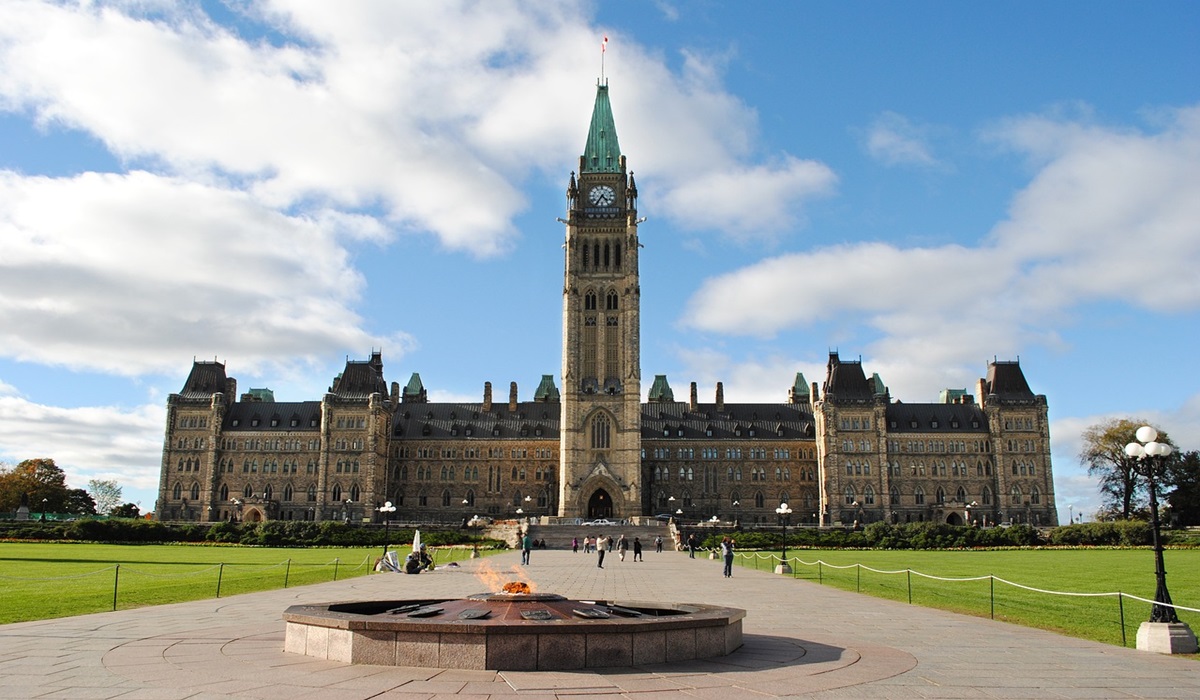
Canada is moving into the summer with the kind of pressure that voters feel before they ever hear a politician explain it. The latest inflation numbers show a country still trying to find balance after years of cost of living strain, global instability, housing pressure, and rising energy prices. Inflation rose again in April, with gasoline, food, rent, transportation, and vehicle costs all playing a role in the squeeze on household budgets.
The political problem is simple. Even when economists see signs of cooling beneath the surface, families do not live inside core inflation charts. They live at the pump, at the grocery store, inside rental listings, and around kitchen tables where every bill feels heavier than it did a few years ago. That creates a difficult moment for Prime Minister Mark Carney’s government, which is trying to present itself as steady, competent, and prepared for a more unstable world.
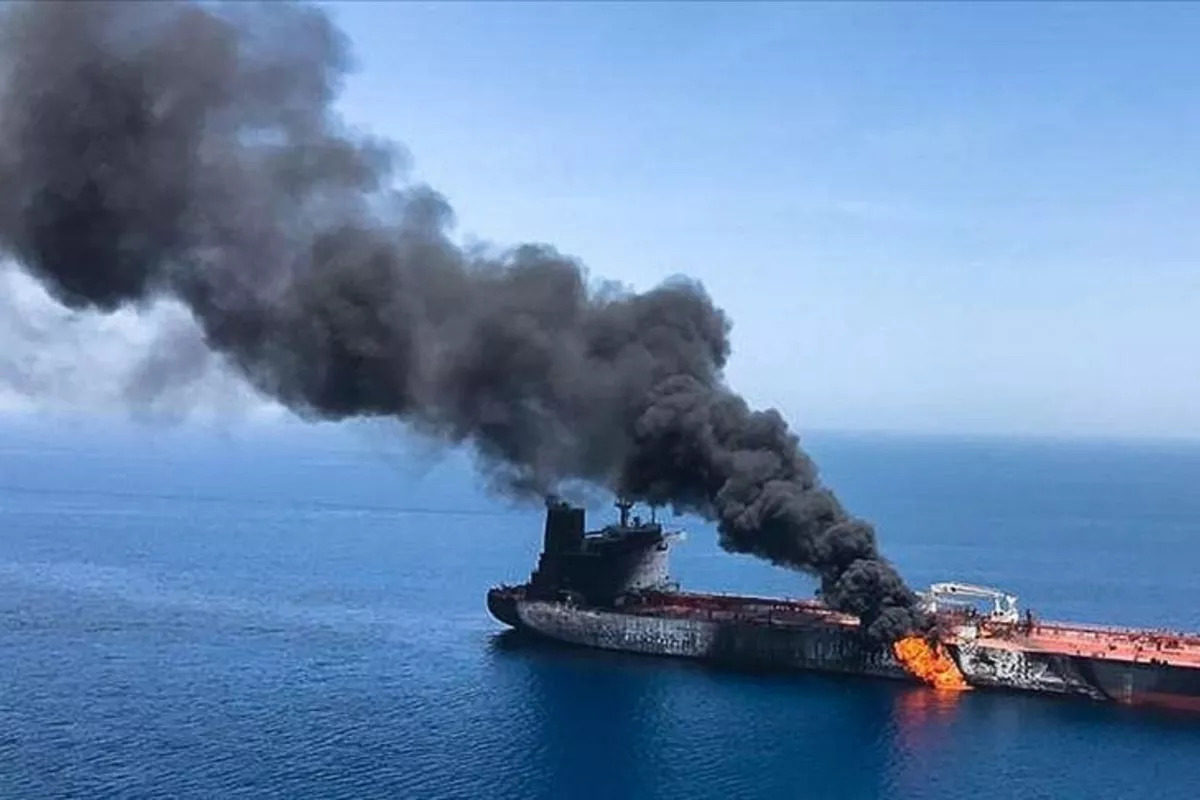
The energy shock has become one of the clearest examples of how global events now hit Canadian households almost immediately. Gasoline prices jumped sharply after the conflict involving Iran disrupted global supply, and transportation costs moved higher with them. Ottawa’s temporary relief measures may soften the blow, but they do not erase the larger concern. Canadians are being reminded that affordability is not only a domestic issue. It is tied to shipping lanes, foreign wars, currency movements, and decisions made far beyond Parliament Hill.
At the same time, the Canada United States relationship is under visible strain. The United States recently paused participation in a long standing joint defence body with Canada, a board that dates back to the Second World War and helped shape continental defence cooperation. The move reflects frustration in Washington over defence spending, but it also lands in a wider environment of trade tension, tariff disputes, and uncertainty about how dependable old alliances remain.
That matters because Canada’s next political chapter is being shaped by two questions at once. One is whether the federal government can make life more affordable in a practical, visible way. The other is whether the country can protect its sovereignty, trade position, military credibility, and economic future in a world where old assumptions are breaking down.
The coming months will likely test Carney’s ability to speak to both anxieties without sounding abstract. Canadians want price relief, but they also want evidence that the federal government understands the larger world that is pushing those prices upward. The country is not facing one crisis. It is facing a stack of connected pressures, and voters are looking for leadership that can connect those dots without hiding behind them.
About The Author