Image Credit: Lille/France
Canada is heading into the summer of 2026 carrying a growing sense of uncertainty that stretches far beyond politics. While government officials continue promoting investment, innovation, and long-term growth strategies, many Canadians are focused on far more immediate concerns. The rising cost of living, stubborn housing prices, expensive groceries, and mounting debt are continuing to dominate conversations at kitchen tables across the country.
The federal government has spent the past several months attempting to position Canada as more economically independent, placing major focus on critical minerals, domestic manufacturing, infrastructure projects, and green energy development. Ottawa believes strengthening those sectors will reduce vulnerability to global instability while creating long-term employment opportunities. Large investments tied to battery technology, mining, and energy production are already underway in multiple provinces.
Yet outside official announcements and economic forecasts, frustration continues to build among ordinary Canadians who say they are not seeing meaningful improvements in daily life. Mortgage renewals are creating enormous financial pressure for many families, rental prices remain out of reach in several cities, and younger Canadians increasingly question whether home ownership is realistically attainable anymore.
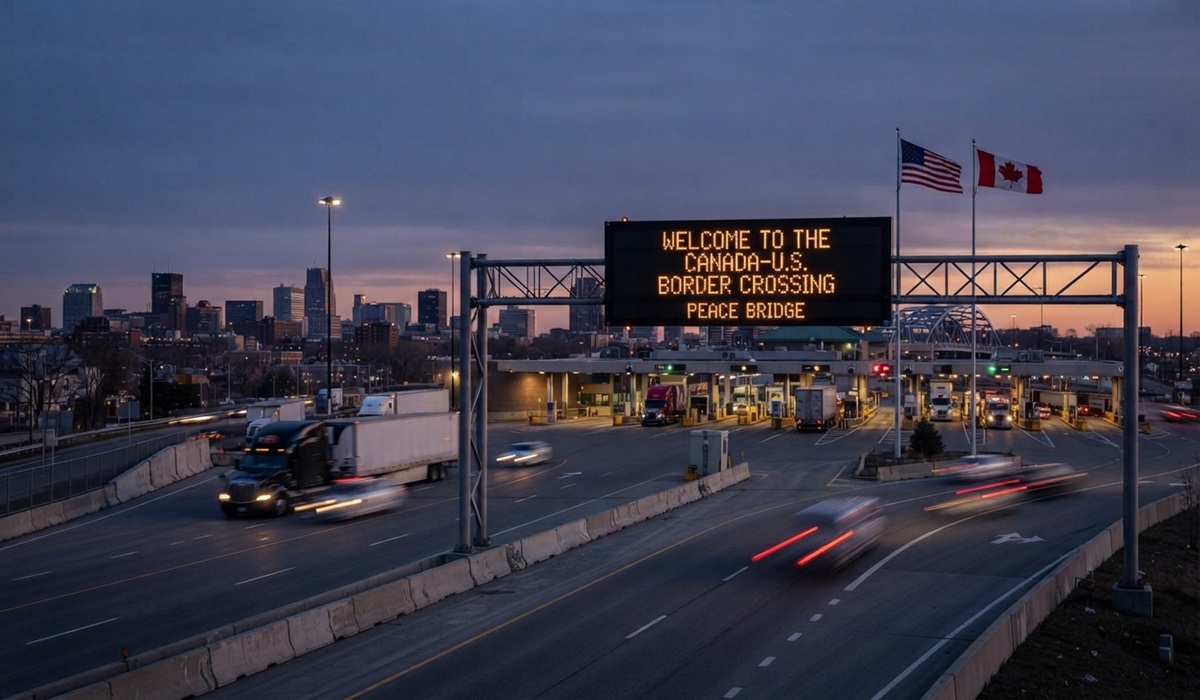
At the same time, Canada’s relationship with the United States remains a source of concern for exporters and business leaders. President Donald Trump’s aggressive economic posture and continued protectionist rhetoric have many industries watching nervously for signs of another trade confrontation. Automotive manufacturing, agriculture, steel, and energy sectors all remain highly sensitive to policy changes south of the border.
There are still signs of resilience within the economy. Travel and tourism continue rebounding strongly, natural resource industries remain active, and population growth through immigration is helping fuel labour markets in several regions. But economists continue warning that productivity challenges and high household debt levels are limiting broader momentum.
Across the country, a deeper concern appears to be emerging. Many Canadians increasingly feel disconnected from political messaging that paints an optimistic picture while visible struggles continue growing in major cities. Public safety concerns, homelessness, healthcare backlogs, and affordability pressures are no longer isolated complaints. They have become defining national issues.
As political tensions slowly build toward the next federal campaign cycle, Canadians appear less interested in slogans and more interested in practical leadership capable of producing visible results in a reasonable amount of time.
About The Author