By: CGTN English
The revisions scrap rules that limit Japan’s defense equipment exports to five non-combat categories, namely rescue, transport, warning, surveillance and minesweeping. Instead, defense equipment will be divided into “weapons” and “non-weapons” categories, based on whether they have lethal capability.
While the revisions in principle prohibit the export of arms to countries where conflict is taking place, they do allow for exceptions “in special circumstances” that take into consideration Japan’s security needs.
Under newly revised rules, Japan’s weapons export decisions will be jointly approved by the prime minister, chief cabinet secretary, foreign minister and defense minister, with the Diet to be notified only after authorization has been granted.
The Japanese people reacted strongly to the move, with many saying the policy shift by the government of Sanae Takaichi could fuel regional conflicts and intensify arms race. Since the relevant developments were exposed, the proposal has continued to trigger large-scale protests across the country.
How does Japan gradually relax its arms export restrictions?
During the Cold War, the country adhered to the “Three Principles on Arms Exports” based on its pacifist constitution, effectively imposing a near-total ban on weapons exports. However, with the rise of right-leaning political forces, these constraints have been steadily weakened.
In 2006, the government of then Prime Minister Junichiro Koizumi, citing counterterrorism efforts, provided armed patrol vessels to Indonesia, marking the first breach in the export ban.
A more significant shift came in 2014, when the administration of Shinzo Abe replaced the original framework with the “Three Principles on Transfer of Defense Equipment and Technology.” By broadening and softening the language, the new rules significantly relaxed restrictions on exporting military equipment and technology. They allowed the transfer of five categories of non-lethal equipment: rescue, transport, warning, surveillance and mine-clearing, signaling a shift from a principle of prohibition to one of conditional permission.
Within this framework, Japan began expanding its defense exports. It supplied air defense radar systems to the Philippines, marking the first export of such equipment, and later revised the Self-Defense Forces Law to enable the transfer of second-hand patrol vessels and coast guard ships for “warning and surveillance” purposes, categorized as non-lethal assets.
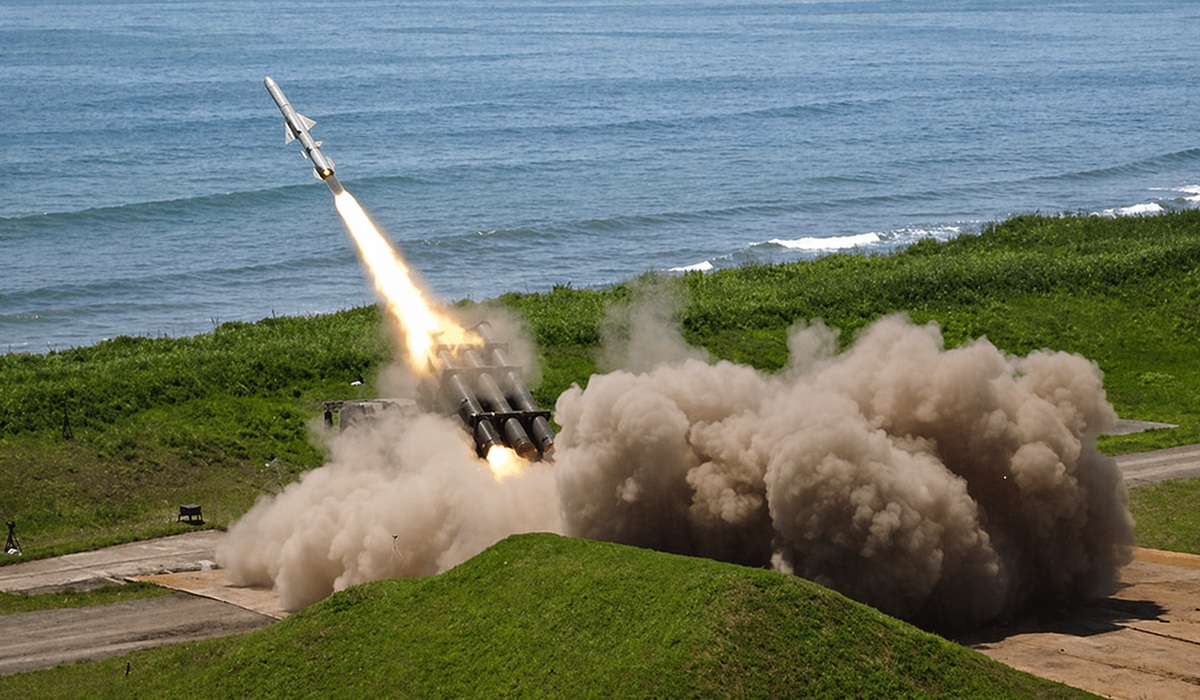
Further steps followed. In 2023, Japan approved the re-export of Patriot air defense missiles to the United States, with deliveries completed in November 2025. This marked the first export of finished lethal weapons since World War II, breaking the long-standing restriction of limiting exports to non-combat purposes.
In 2024, Japan also relaxed rules on jointly developed defense equipment, allowing next-generation fighter jets developed with the United Kingdom and Italy to be exported directly to third countries, removing key barriers to the export of large-scale offensive weapons.
In 2026, the Takaichi administration moved to further revise the “Three Principles on Transfer of Defense Equipment and Technology” and their implementation guidelines. The proposed changes included removing restrictions confining exports to non-combat equipment categories and in principle allowing the export of finished weapons, including lethal systems. They also proposed exceptions permitting exports to countries involved in ongoing conflicts, while reducing the Diet’s role to a post-approval notification mechanism rather than a substantive check.
Observers say the changes mark a significant departure from Japan’s long-standing pacifist posture and could have far-reaching implications for regional security.
About The Author