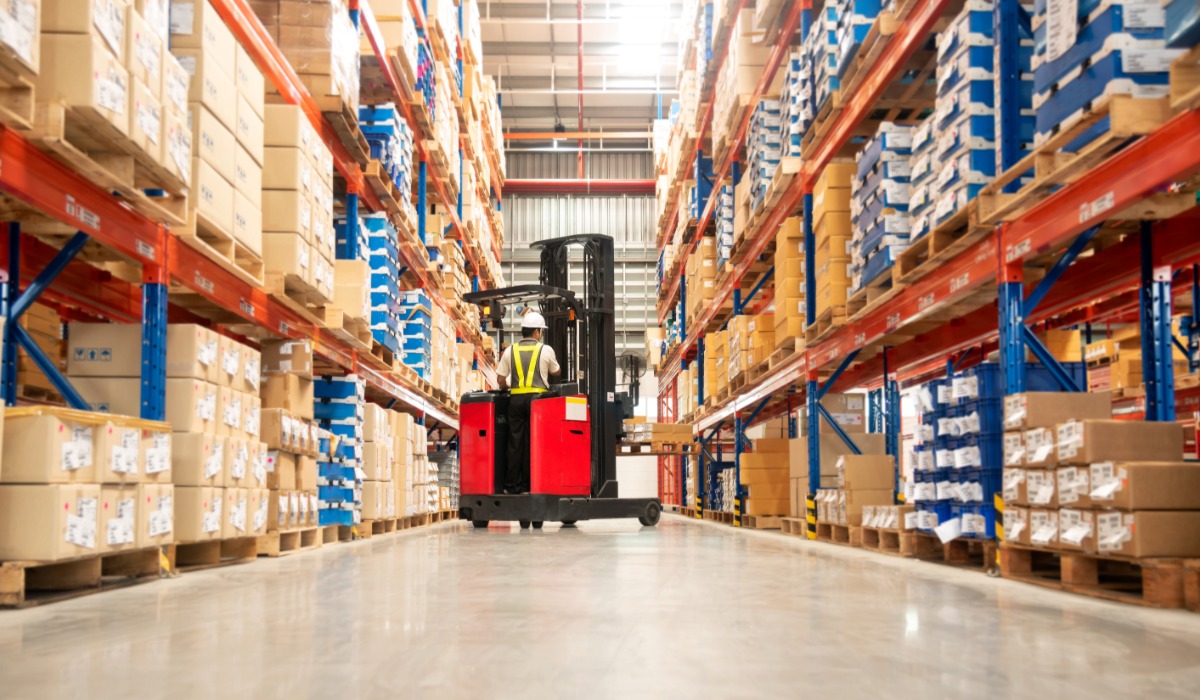
Freight trucks move the modern economy with relentless consistency. Grocery stores stock their shelves because trucks arrive on schedule, construction projects advance because materials roll in from distribution yards, and manufacturing plants maintain production because components travel across state lines every day.
However, the businesses that keep those trucks operating rarely draw public attention. Anyone who examines what it really takes to open a semi-truck repair shop quickly discovers that the venture demands far more than mechanical confidence and access to a service bay. It requires serious capital, disciplined operational planning, technical fluency, and the ability to navigate a labor market that continues to tighten.
A semi-truck repair operation cannot operate within a standard commercial garage, and owners must secure heavy-industrial zoning and a facility large enough to accommodate tractor-trailers with room to maneuver safely. High ceilings, reinforced concrete flooring, adequate drainage, and reliable three-phase electrical service shape daily operations in ways many first-time entrepreneurs overlook. Heavy-duty lifts, cranes, air compressors, and welding equipment demand infrastructure that supports sustained industrial use, and the cost of that infrastructure escalates quickly.
From the beginning, financial projections must account for build-out expenses, equipment purchases, insurance coverage, utilities, environmental compliance, and seasonal fluctuations in freight demand. Rent or mortgage costs increase with square footage, while energy consumption rises in line with industrial power requirements.
Beyond those visible expenses, owners must also budget for waste disposal services, oil containment systems, and regulatory inspections. These recurring obligations shape monthly overhead in ways new operators often underestimate. Without disciplined capital planning, even steady customer volume cannot offset structural costs. Opening a heavy-duty repair facility demands clear-eyed financial planning rather than optimism alone.
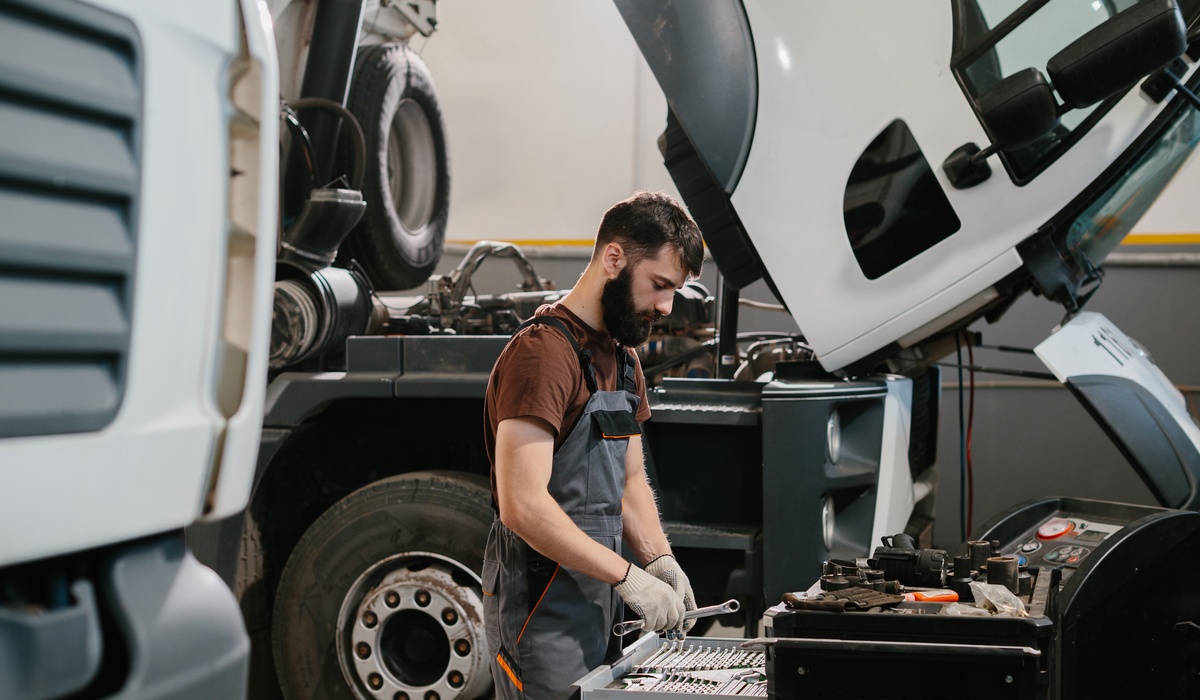
You should also evaluate different tools and consider which ones serve your shop. Equipment decisions extend beyond large machinery and diagnostic platforms. A professional repair environment relies on durability at every level, including the hand tools that technicians handle dozens of times each day. Investing in top-quality heavy-duty mechanic hand tools, such as dead blow hammers and adjustable wrenches, supports more than convenience; it enhances precision, safety, and long-term efficiency under constant industrial strain.
Heavy diesel components require sustained torque and repeated impact, and inferior tools fail under that pressure, interrupting workflow and increasing downtime. High-quality tools maintain calibration, resist deformation, and reduce replacement frequency, protecting margins while reinforcing a culture of professionalism inside the shop.
Technology now defines heavy-duty repair in ways that older generations of mechanics never encountered. For example, modern semi-trucks rely on electronic control modules that regulate engine performance, emissions output, and fuel efficiency, forcing repair shops to invest in diagnostic software and ongoing subscriptions. Technicians must interpret fault codes, recalibrate systems, and update programming as manufacturers release revisions. Emissions regulations add another layer of complexity, particularly around diesel particulate filters and diesel exhaust fluid systems.
Moreover, liability and risk management introduce significant financial and legal exposure. Heavy trucks weigh tens of thousands of pounds, and improper repairs can lead to brake failures, steering malfunctions, roadway accidents, regulatory penalties, and costly civil litigation.
Shop owners must secure comprehensive general liability coverage, garage keepers insurance, and workers’ compensation policies that reflect the physical risks inherent in the trade. Additionally, clear documentation procedures, inspection checklists, and quality-control protocols protect both customers and technicians. Keep in mind that a disciplined approach to risk does not merely reduce legal exposure; it also reinforces credibility in an industry where safety failures carry immediate, visible consequences.
Knowing what it really takes to open a semi-truck repair shop extends beyond equipment and software; it requires access to skilled technicians who understand both traditional diesel mechanics and evolving electronic systems. The national shortage of qualified diesel technicians continues to strain the industry, and experienced professionals command competitive wages in nearly every region.
Shop owners should create compensation structures, training opportunities, and workplace cultures that attract and retain talent in a highly competitive labor market. Apprenticeship programs and certification incentives strengthen long-term stability, but they demand patience and sustained investment.
Even with strong recruitment efforts, retention remains a critical challenge. High turnover disrupts scheduling, weakens service consistency, and strains customer relationships. When technicians leave, shops lose institutional knowledge and efficiency. Workforce stability, therefore, shapes not only daily productivity but also long-term reputation. Owners who treat recruitment and retention as strategic priorities rather than afterthoughts position themselves for sustainable growth.
Financial sustainability also depends on disciplined cash-flow management. Fleet operators often negotiate payment terms of 30 or 60 days, particularly when managing large numbers of vehicles across multiple locations. Meanwhile, repair shops must purchase parts quickly to minimize customer downtime, creating periods when expenses outpace incoming revenue. Owners must secure sufficient working capital to bridge those gaps without sacrificing payroll or vendor relationships.
Operational efficiency also depends on sourcing discipline. Parts procurement strategies and supplier partnerships influence whether a shop can complete repairs efficiently. When a truck remains sidelined, freight schedules shift, and costs escalate for the client, placing additional pressure on the repair facility.
Businesses that communicate clearly, provide accurate timelines, and deliver consistent workmanship earn repeat contracts, stabilizing revenue over time. In the trucking industry, reliability carries more weight than marketing.
Community presence and long-term positioning also shape sustainability. Repair shops often serve as informal hubs for drivers and fleet managers who operate within a specific freight corridor.
Owners who engage with local business associations, trade schools, and logistics networks simultaneously strengthen referral pipelines and workforce recruitment. A visible commitment to professionalism and technical standards builds trust across the regional freight ecosystem. Over time, that trust becomes one of the shop’s most valuable assets.
Beyond individual business considerations, semi-truck repair operations support broader economic resilience. Every functioning shop contributes to supply-chain continuity, particularly in regions that depend heavily on manufacturing, agriculture, or distribution hubs. Rising capital requirements and regulatory complexity have increased barriers to entry, even as demand for maintenance remains steady. Entrepreneurs who approach the industry with discipline, technical fluency, and financial realism can still build viable operations, but they must recognize the scale of responsibility involved.
Opening a semi-truck repair shop represents more than a mechanical undertaking. It requires industrial-scale planning, operational rigor, technological adaptation, and sustained workforce development.
In a nation that depends daily on the movement of goods, the facilities that keep trucks on the road play a quiet yet indispensable role in economic stability. Understanding that responsibility is what distinguishes a short-lived venture from a shop that endures.
About The Author