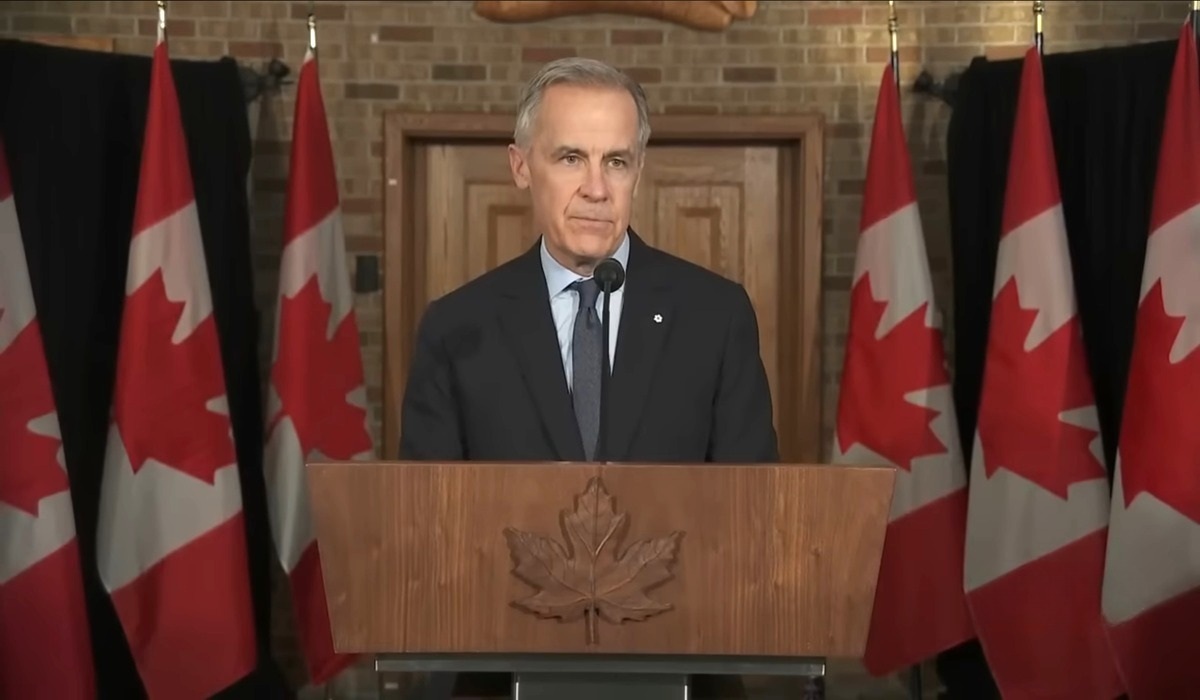
Navigating Cross-Border Tensions and Economic Friction in Canada
- Ingrid Jones
- Canada
- September 24, 2026
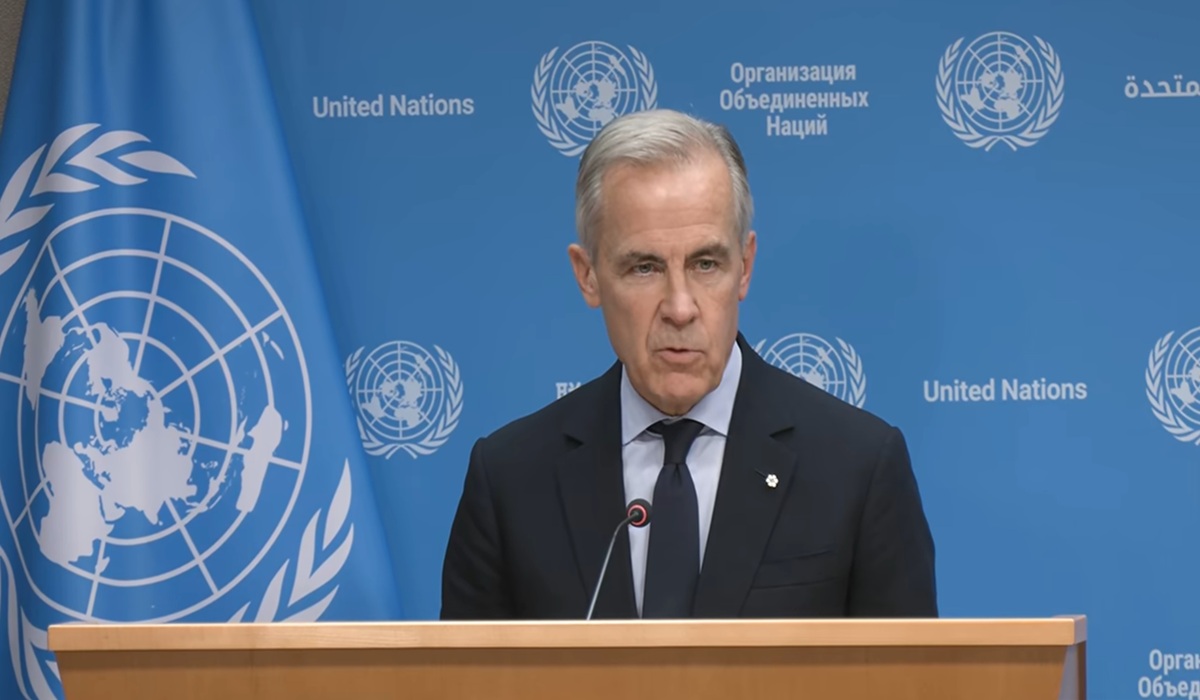
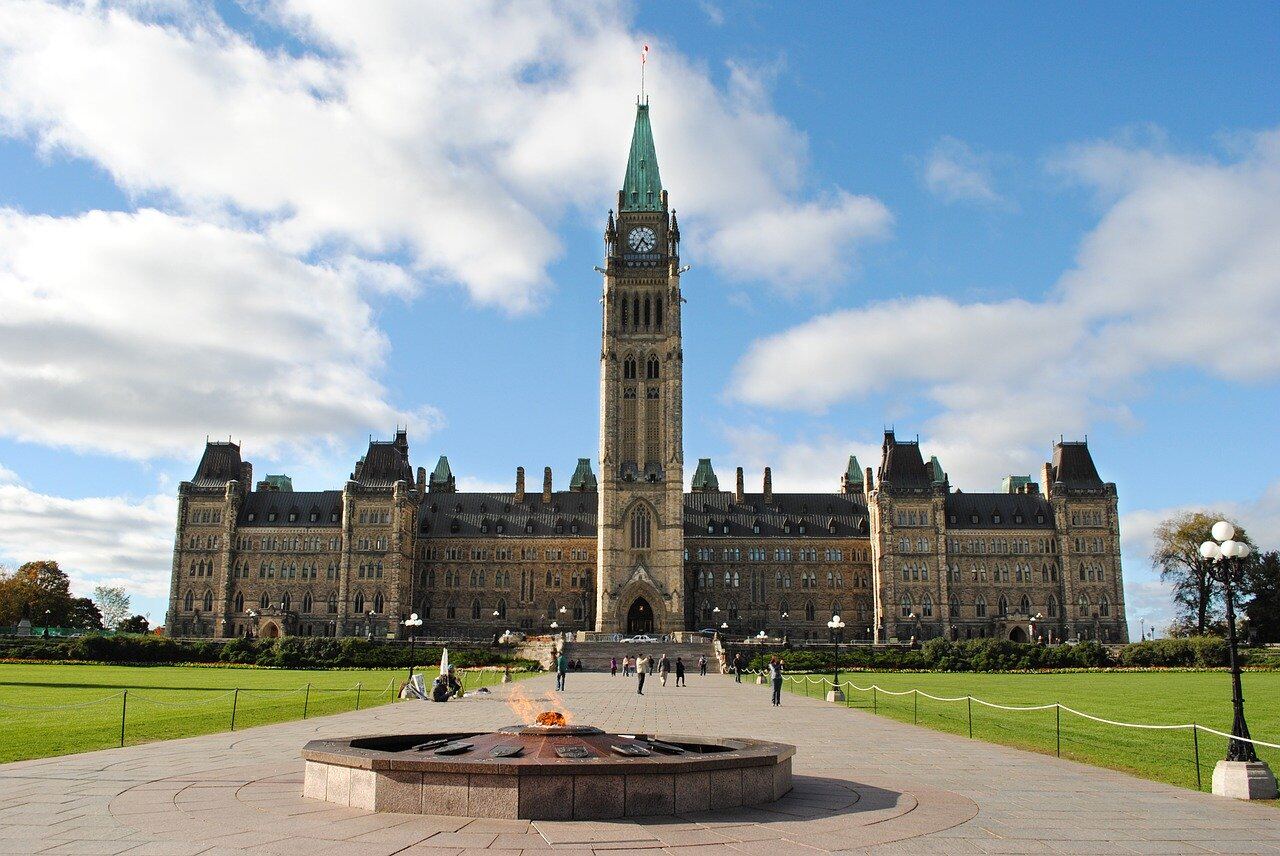
OTTAWA — Canada finds itself navigating a high-stakes moment defined by escalating trade disputes with the United States, shifting political dynamics in Ottawa, and growing domestic economic pressures. As federal officials work to safeguard key industries and manage strained international ties, Canadians across the country are closely watching how leaders respond to threats targeting the national economy.
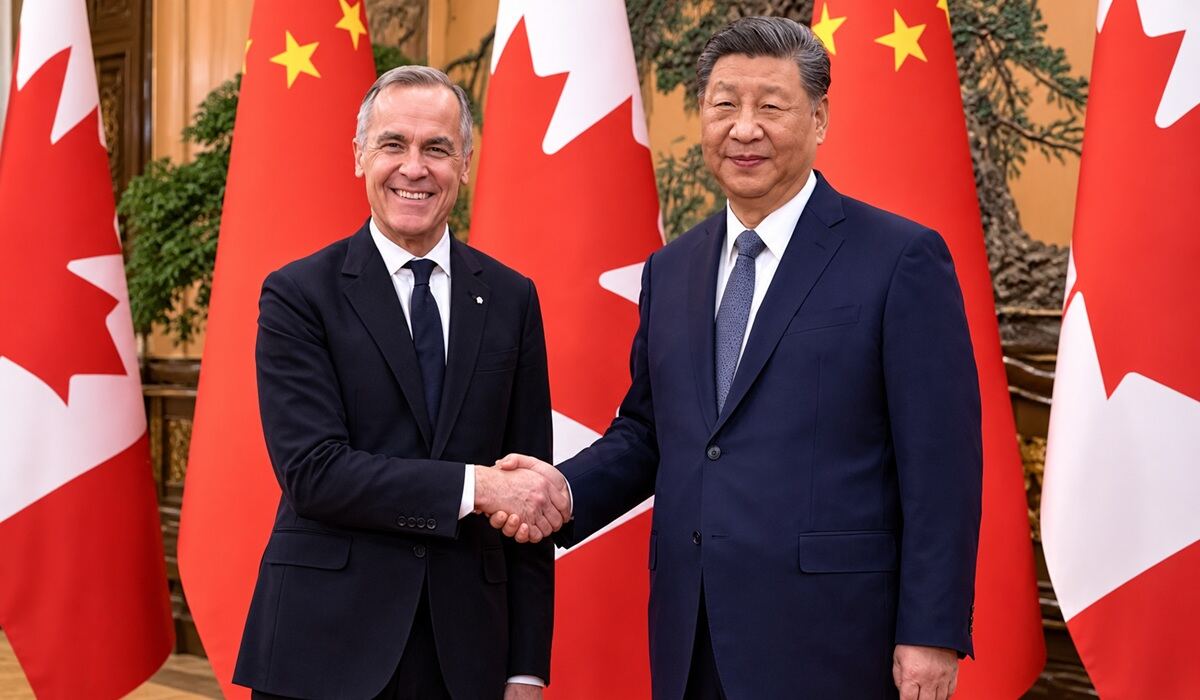
At the center of current national discourse is the complex relationship between Ottawa and Washington. Following recent announcements of sweeping American import levies, Canadian policymakers have been forced to evaluate retaliation strategies to protect domestic manufacturing, agriculture, and energy sectors. The trade dispute has injected fresh uncertainty into local supply chains, with business leaders calling for swift diplomatic intervention to prevent prolonged disruptions.
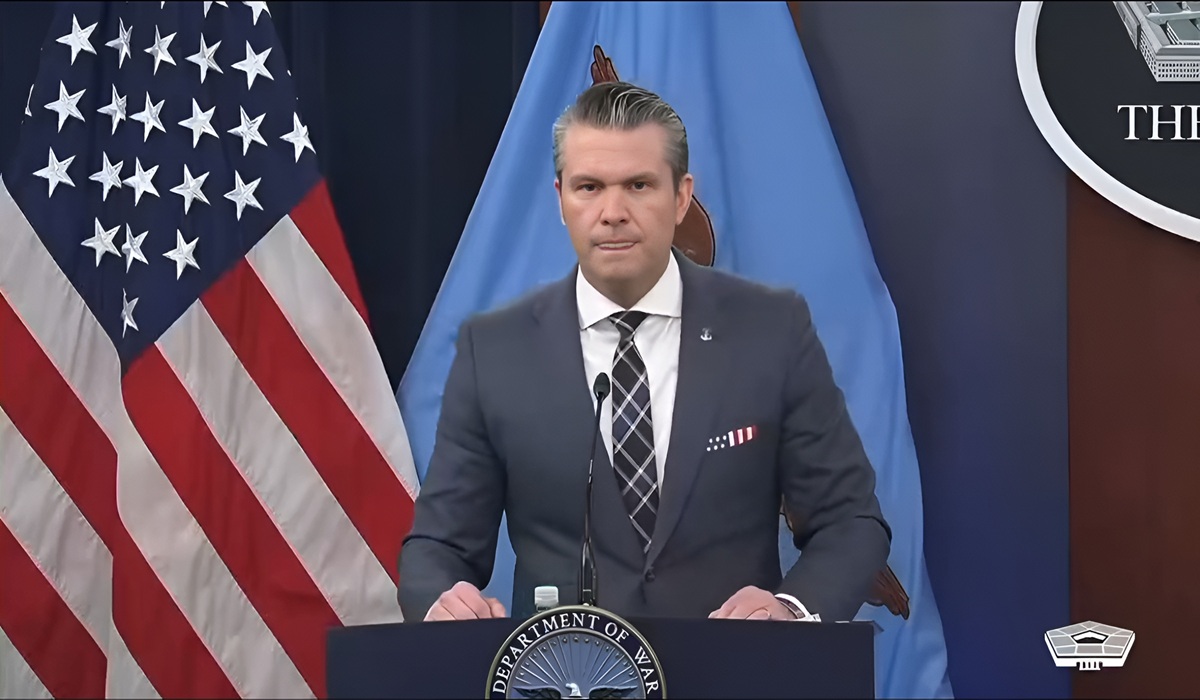
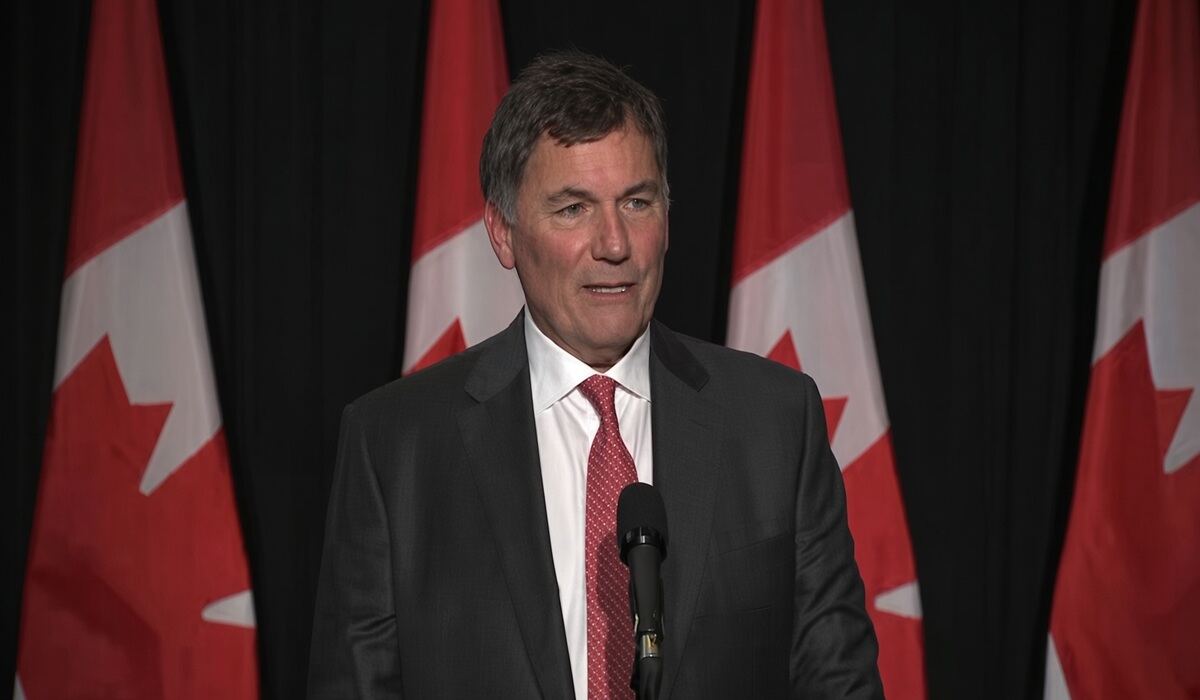
The diplomatic friction has also coincided with a period of intense political recalibration in the nation’s capital. Federal cabinet ministers have spent recent days addressing rhetoric from south of the border regarding cross-border security and economic cooperation, maintaining that Canada’s policies remain robust while defending the nation’s regulatory sovereignty. The political spotlight remains fixed on how the government balances immediate economic self-defense with long-term security partnerships.
On the domestic front, economic anxiety continues to dominate conversations from coast to coast. While inflation figures have shown signs of stabilizing in key categories over recent months, many households continue to struggle with elevated housing costs, borrowing rates, and everyday living expenses. Labor disputes in critical public sectors have added another layer of pressure, highlighting tensions between government employers and workers seeking wage protections amidst broader cost-of-living challenges.
Despite these headwinds, industry leaders and regional governments are pressing ahead with strategic investments aimed at strengthening long-term resilience. Discussions around major infrastructure projects, green technology integration, and resource development remain top priorities for provincial leaders seeking to diversify regional economies. As parliament convenes to address these intersecting crisis points, the nation watches closely to see how effectively its institutions can navigate an increasingly volatile global landscape.
About The Author