Mike Vogiatzakis Under Scrutiny in Winnipeg Mayoral Race as Candidate Reveals He Does Not Live in Winnipeg
- TDS News
- Canada
- October 3, 2026
Editorial Board
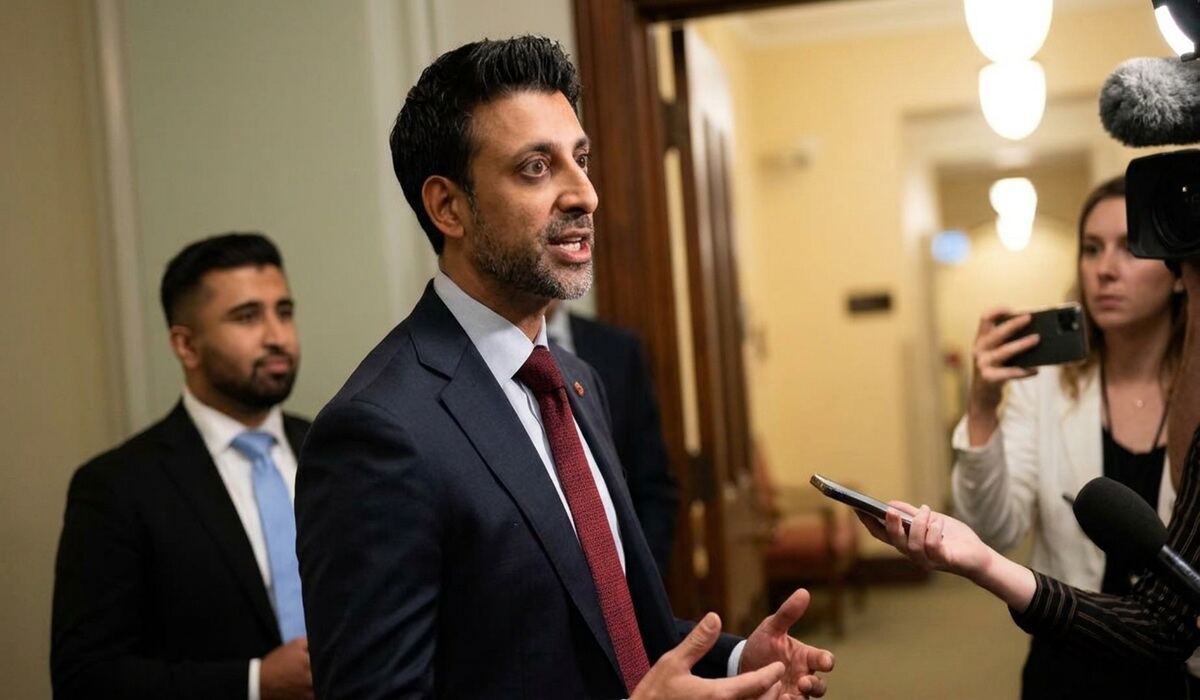
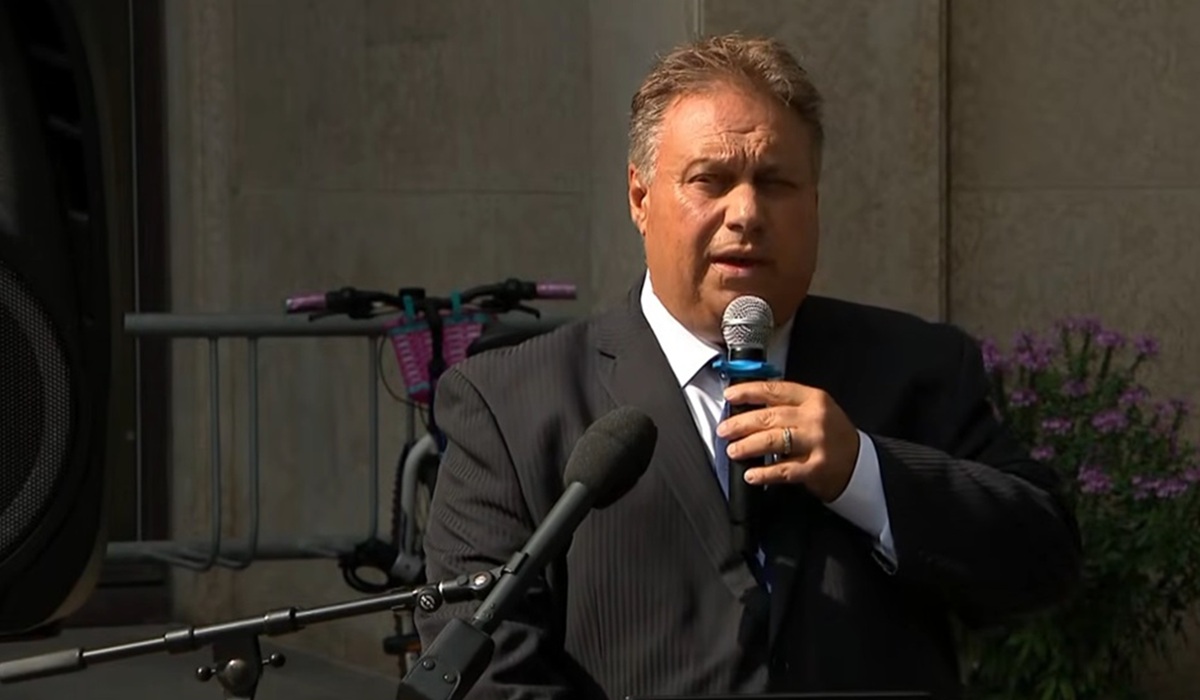
Questions of residency, personal conduct, and political tone have surged to the forefront of Winnipeg’s mayoral election, centering squarely on candidate Mike Vogiatzakis. While eleven of the twelve candidates seeking the city’s top job live within municipal borders, Vogiatzakis resides outside city limits in the rural municipality of St. Andrews, satisfying provincial election law through local property ownership rather than a primary residence.While legally eligible to run, his non-resident status has drawn sharp criticism from voters who expect their mayor to live under the same local laws, taxes, and municipal services as the citizens they seek to represent.
For many new citizens trying to navigate local politics, the situation feels particularly confusing and unsettling. A significant number of community members express feelings of deception, believing that candidates seeking municipal authority should naturally share the same daily realities and services as those they aim to lead. Others view the matter as less critical, accepting that technical property ownership satisfies legal rules and placing higher emphasis on business background over physical address. Still, the underlying contrast between public perception and legal reality leaves many questioning the fundamental connection between candidate and city.
Beyond geographic location, candidate history and character disclosures are generating widespread public scrutiny. Concerns continue to surface regarding past disclosures under the Criminal Code, including a prior guilty plea for assault, alongside specific allegations raised by a former female employee of workplace harassment and sexual assault, claims Vogiatzakis has publicly denied, attributing them to a disgruntled worker. Additionally, long-standing public reports and court records detailing past legal battles, including fraud proceedings involving Manitoba Public Insurance, prompt voters to ask whether such past challenges align with the level of trust and accountability required for top municipal leadership.
Voters seeking constructive discussion are also paying close attention to policy depth and campaign decorum. Rather than relying on broad promises or costly external consultants, citizens are searching for concrete, locally tailored solutions to municipal problems. The environment around these discussions has turned particularly hostile online, where supporters published aggressive AI-generated videos using profanities to target residents asking about residency. Instead of maintaining distance or calling for civil discourse, Vogiatzakis publicly reacted by loving those comments, an action critics view as a direct tacit endorsement of inflammatory behaviour that falls far short of the diplomatic decorum expected of a city’s top elected official.
With the election approaching, Winnipeg residents are left weighing legal eligibility against personal accountability and civic leadership. The decision before the city involves far more than checking off candidate criteria or reviewing campaign promises. As voters prepare to cast their ballots, questions regarding residence, personal character, past legal history, and online campaign conduct remain central to determining who is truly fit to guide Winnipeg forward over the next four years.
About The Author