Fire Season Is No Longer a Season: Why Canada and the United States Are Facing a New Wildfire Reality
- TDS News
- Climate Change
- July 6, 2026
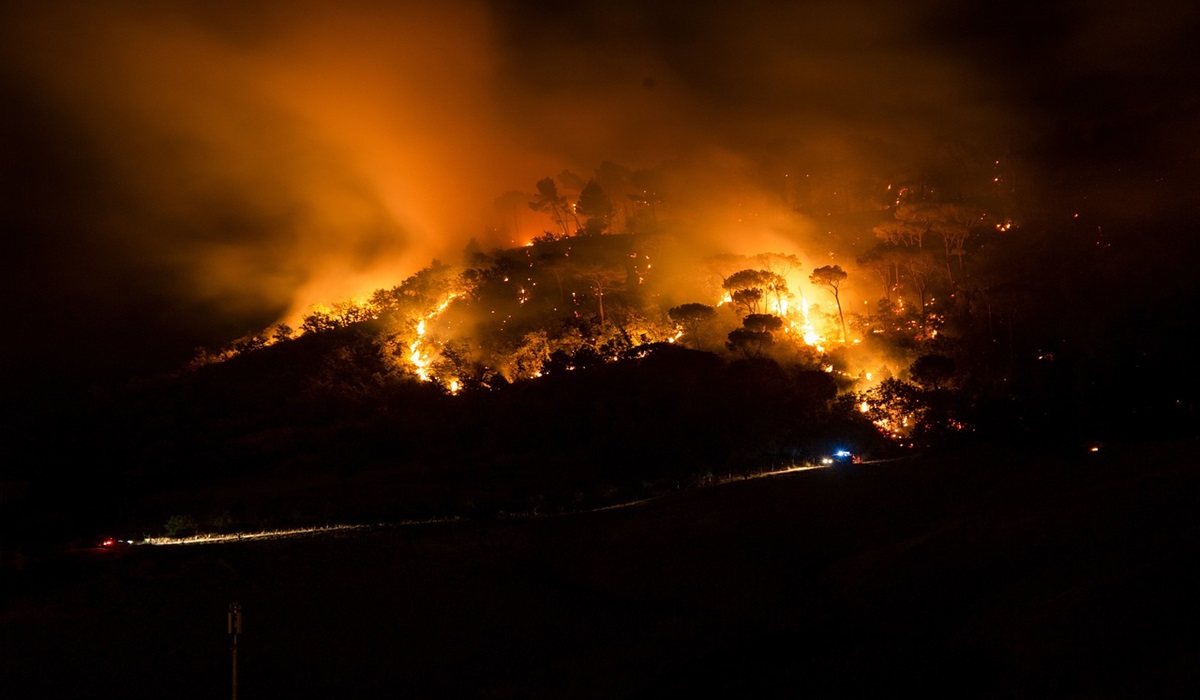
There was a time when wildfire season followed a fairly predictable calendar. Firefighters, emergency planners, and communities knew roughly when the danger would begin and when cooler temperatures would finally bring relief. Today, that certainty has largely disappeared. Across Canada and the United States, what was once considered a seasonal challenge has evolved into a nearly year-round threat, fueled by hotter temperatures, prolonged drought, changing weather patterns, and decades of forest management practices that have left many landscapes more vulnerable than ever before.
The 2026 wildfire season is once again reminding North Americans that these disasters are becoming larger, more intense, and increasingly difficult to control. Government forecasts in both countries have warned of above-normal temperatures across much of the continent, with persistent drought conditions creating ideal conditions for rapidly spreading fires. Large portions of western Canada and the western United States entered summer already carrying significant moisture deficits, meaning forests and grasslands were primed to ignite long before the traditional peak fire months arrived. (Canada)
Canada has experienced a string of devastating wildfire years unlike anything previously recorded. While every province faces different challenges, British Columbia, Alberta, Saskatchewan, Manitoba, Ontario, and parts of the North have repeatedly dealt with massive evacuations, hazardous smoke, and billions of dollars in damages. British Columbia’s own wildfire service notes that even seasons considered less destructive than recent record-breaking years are still burning well above historical averages, demonstrating how the baseline has shifted dramatically over the past decade. (Government of British Columbia)
South of the border, the United States is experiencing many of the same pressures. Earlier snowmelt, prolonged heat waves, expanding drought, and stronger wind events have combined to create longer fire seasons stretching from the Southeast to California and throughout the Pacific Northwest. Even areas once considered relatively safe are now preparing for wildfire conditions that historically would have been considered unusual. Smoke from Canadian fires has repeatedly drifted thousands of kilometres into major American cities, turning skies orange and triggering widespread air-quality alerts far from the flames themselves.
One of the greatest misconceptions surrounding wildfires is that they are all started by careless people. Human activity certainly plays a major role, with unattended campfires, discarded cigarettes, sparks from machinery, power lines, and even vehicle exhaust systems capable of igniting dry vegetation. However, across Canada, lightning remains responsible for most of the total area burned. A single storm can ignite dozens or even hundreds of fires simultaneously across remote regions, overwhelming firefighting resources before crews can even reach the first blaze. Many lightning fires smoulder underground for days before erupting into fast-moving infernos when weather conditions worsen. (Thompson Rivers University)
Climate is only one piece of the puzzle. Forest management also plays a significant role. For decades, many jurisdictions adopted policies focused on extinguishing every fire as quickly as possible. While understandable from a public safety standpoint, the unintended consequence has been the gradual accumulation of dead trees, thick underbrush, and dense vegetation. This buildup creates enormous quantities of fuel waiting for a single ignition source. When a fire finally begins under hot, dry, windy conditions, it often becomes so intense that even the most experienced crews and modern aircraft struggle to stop it.
Many wildfire experts, including Indigenous fire practitioners, have increasingly advocated for the return of controlled or prescribed burning. Indigenous communities have used cultural burning practices for generations to reduce fuel loads, encourage healthier forests, and create natural fire breaks. Carefully managed burns conducted during cooler, safer weather conditions can significantly reduce the severity of future wildfires. While prescribed fire cannot eliminate wildfire risk entirely, it can reduce the intensity of many fires before they threaten communities. (Forest Ministers Canada)
Technology is also changing how agencies fight fires. Satellites can now detect heat signatures within minutes. Drones allow crews to monitor inaccessible terrain without placing firefighters at unnecessary risk. Artificial intelligence is beginning to assist with predicting fire behaviour by combining weather forecasts, fuel moisture, topography, and historical fire data. These innovations are improving response times, but technology alone cannot overcome landscapes that have become increasingly combustible after years of drought.
Communities themselves are also becoming part of the solution. FireSmart programs in Canada and similar initiatives in the United States encourage homeowners to create defensible space around buildings by removing flammable vegetation, cleaning gutters, using fire-resistant roofing materials, and maintaining buffer zones between forests and homes. These relatively simple measures have already proven capable of dramatically increasing a home’s chances of surviving a wildfire.
Governments also face difficult policy decisions. Increased funding for aerial firefighting fleets, year-round recruitment and retention of trained firefighters, modern communication systems, and expanded emergency evacuation planning all require significant investment. At the same time, urban development continues expanding into forested areas, placing more homes directly in the path of future fires. As communities grow deeper into wildfire-prone landscapes, prevention becomes just as important as suppression.
Can these fires be prevented entirely? The honest answer is no.
Wildfire is a natural part of many ecosystems. Many forests actually depend on periodic fires to regenerate, release seeds, and remove diseased vegetation. Attempting to eliminate every wildfire is neither realistic nor environmentally desirable. What can be prevented are many of the catastrophic megafires that destroy entire communities. Better forest management, expanded prescribed burning, stronger building standards, public education, faster detection systems, and improved emergency preparedness can collectively reduce both the frequency and severity of the most destructive events.
The uncomfortable reality is that North Americans may need to adjust their expectations. Instead of viewing wildfire as an occasional disaster, it may increasingly become another seasonal hazard that communities prepare for much like hurricanes, floods, or blizzards. The smoke affecting cities hundreds or even thousands of kilometres away serves as a reminder that no region is entirely insulated from the consequences.
Firefighters continue to perform extraordinary work under increasingly dangerous conditions, often spending weeks away from their families while battling blazes in rugged terrain, extreme heat, and unpredictable weather. Yet even the best-equipped crews cannot solve the problem alone. Wildfire resilience will ultimately depend on governments, scientists, Indigenous knowledge holders, land managers, and the public working together long before the first plume of smoke appears on the horizon.
The question is no longer whether North America will experience another severe wildfire season. The question is whether enough will be done during the months between fire seasons to ensure the next one is less destructive than the last.
About The Author