Downing and Capturing of US Advance Drones Costing US Military Hundreds of Millions
- Kingston Bailey
- U.S.A
- September 15, 2026
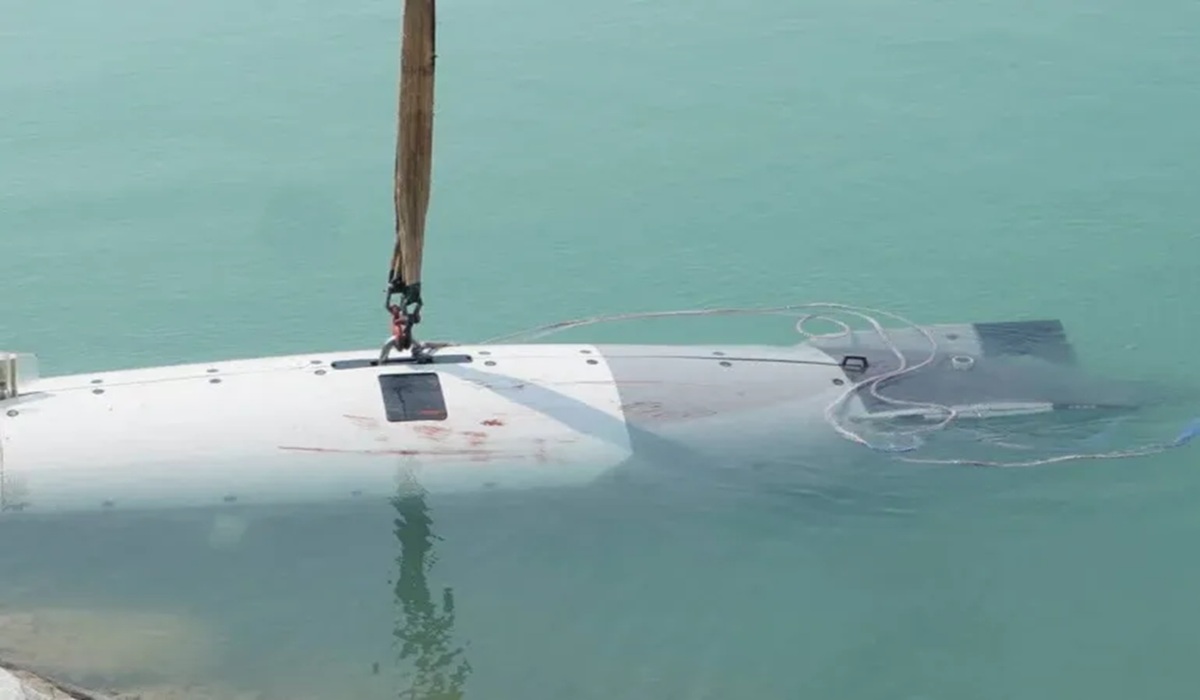
WASHINGTON — The protracted strategic standoff between United States armed forces and regional Iranian networks continues to generate severe asset attrition, drawing intense scrutiny from defense analysts regarding the escalating cost of modern aerial warfare. Over the course of successive retaliatory cycles and ongoing regional skirmishes, the United States military has sustained a continuous and troubling loss of sophisticated unmanned aerial surveillance platforms and tactical aviation assets. Defense assessments indicate that a substantial number of high-altitude, long-endurance drones, most notably General Atomics MQ-9 Reaper systems, have been systematically targeted, shot down, or destroyed while conducting reconnaissance missions over contested airspace in the Middle East. These sophisticated platforms, valued at tens of millions of dollars apiece, represent critical nodes in the coalition’s intelligence, surveillance, and reconnaissance architecture, making their steady depletion a matter of urgent operational concern for military planners.
The heavy reliance on unmanned platforms to maintain persistent surveillance over volatile zones has exposed vulnerabilities to increasingly advanced, radar-guided surface-to-air missile systems and sophisticated electronic warfare tactics deployed by opposing forces. Regional proxy networks and state-backed entities have successfully adapted their tactical doctrines to counter traditional American air dominance, utilizing a combination of low-cost loitering munitions and high-tier air defense batteries to contest regional skies. Beyond unmanned aerial vehicles, tactical fighter aircraft and support platforms stationed at dispersed regional air installations have faced persistent threats from ballistic and cruise missile salvos, sustaining varying degrees of structural damage that demand constant repair cycles and complicate routine maintenance schedules.
This high rate of attrition has forced the Pentagon to continuously reevaluate asset positioning, flight routing, and risk mitigation strategies to prevent further losses without sacrificing operational readiness. Military strategists point out that maintaining round-the-clock dominance in a heavily defended theater inevitably incurs high material costs, but the frequency with which advanced American assets are being neutralized highlights a narrowing technological gap in asymmetric conflict. Congressional defense committees have begun pressing military leadership for comprehensive accountings of the remaining inventory of high-end surveillance and strike drones, questioning whether current procurement and replacement pipelines can keep pace with the operational wastage seen in the theater.
Compounding the problem is the staggering economic disparity between the defensive interceptors or surface-to-air missiles utilized by regional actors and the high-value assets they target. While the United States maintains overwhelming strategic superiority and can retaliate with devastating kinetic force, the tactical reality on the ground reflects an environment where persistent presence carries a punishing price tag. As defense planners look toward future capability developments, the lessons learned from these sustained losses are prompting urgent investments in more resilient, attritable autonomous systems and advanced electronic countermeasures designed to survive in high-threat, contested airspace without exposing irreplaceable crewed or high-cost uncrewed platforms to catastrophic destruction.
The relentless escalation of these aerial engagements was further underscored by statements from the Islamic Revolutionary Guard Corps reporting the downing of multiple American-operated MQ-1 drones over the strategic Strait of Hormuz. According to Iranian military disclosures, these advanced unmanned systems were intercepted by newly deployed domestic air defense batteries integrated into the country’s regional tracking networks. While American command structures frequently dispute the operational context or exact totals claimed by Tehran, the frequency of these contested incidents highlights an intensifying technological chess match in the Persian Gulf. As both sides continue to trade warnings, economic sanctions, and localized kinetic strikes with no immediate diplomatic off-ramp in sight, the vulnerability of high-end aerial hardware in heavily contested zones remains a defining feature of the prolonged confrontation.
About The Author