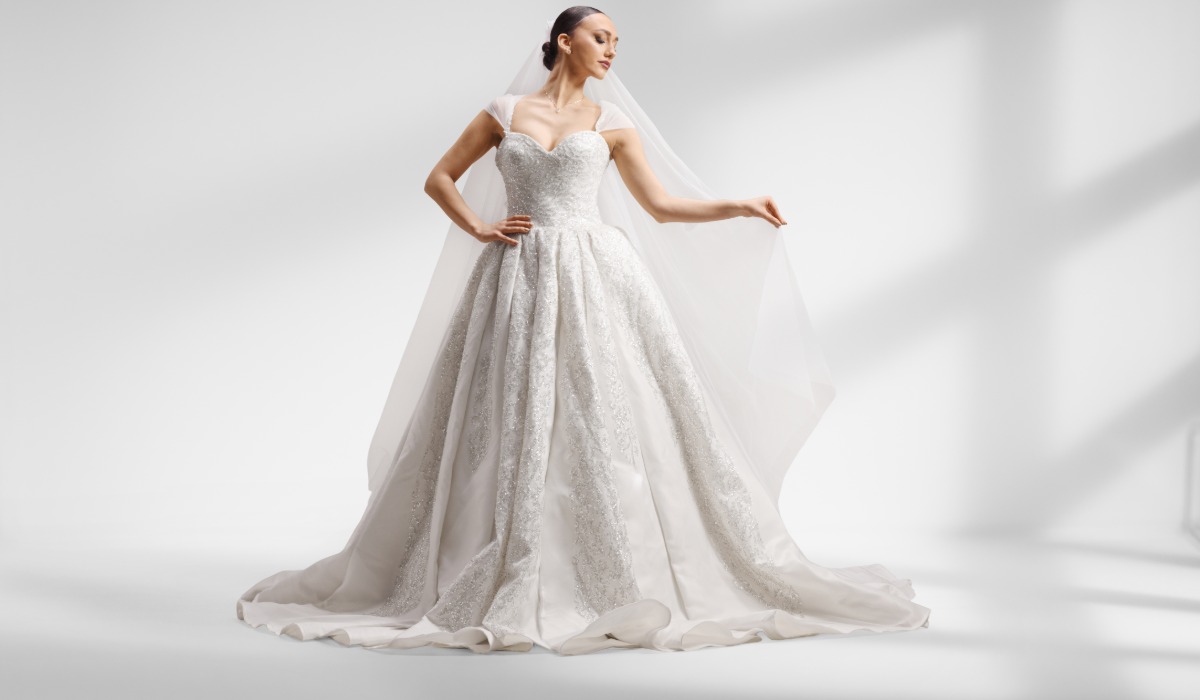
Wedding dress trends change from season to season, but some design details continue to captivate brides across generations. Timeless gowns feel polished without looking tied to a particular decade, making them especially appealing for brides who want to love their wedding photos years later. Understanding classic bridal gown features can help you narrow your options and choose a dress that reflects your personality while maintaining an enduring sense of romance and sophistication.
The Grace of a Defined Waistline
A defined waistline has remained a bridal favorite because it creates a balanced, graceful shape. By drawing attention to the narrowest part of the torso, this feature can add structure to a gown without making the overall design feel rigid.
This detail also works with many gown silhouettes. A defined waist can emphasize the fullness of a ball gown or create a smooth transition into an A-line skirt. Because the feature supports the overall proportions of the dress rather than relying on decorative trends, it tends to maintain its appeal from one bridal era to another.
Romantic Lace Details
Lace has a long history in bridal fashion, and its delicate texture continues to bring softness to wedding gowns. From subtle appliqués placed along a bodice to larger patterns covering a skirt, lace can suit dresses with very different aesthetics.
One reason lace remains popular is its ability to create visual interest without requiring excessive embellishment. Many brides find that lace bridalwear feels timeless and elegant because the material connects modern dressmaking with generations of bridal tradition. The pattern, placement, and scale can change, but lace itself continues to feel at home in wedding fashion.
Elegant Long Sleeves
Long sleeves bring a refined quality to bridal gowns while offering plenty of room for variation. Sheer lace sleeves can create a light, romantic effect, while sleeves made from the same fabric as the gown provide a cleaner and more structured appearance.
Sleeves can also frame the bodice and help create a cohesive silhouette. A well-designed sleeve looks intentional from every angle and can add coverage without making a gown feel heavy. Their enduring appeal comes from this combination of beauty and versatility, allowing long sleeves to work across seasons and wedding settings.
The Enduring A-Line Silhouette
The A-line gown earns its classic reputation through simplicity and proportion. The silhouette fits closer through the upper body before gradually widening toward the hem, creating a shape that feels polished without demanding dramatic volume.
Because an A-line dress does not depend on exaggerated proportions, it adapts easily to different bridal styles. Satin can make the silhouette feel sleek and formal, while softer materials create gentle movement. Brides can also pair the shape with different necklines or sleeve styles, which gives the gown flexibility while preserving its recognizable, enduring foundation.
Classic Necklines With Lasting Appeal
A thoughtfully chosen neckline can shape the entire character of a wedding gown. Sweetheart necklines remain popular because their curved shape adds romance while highlighting the bodice.
The key to a lasting neckline often lies in proportion. Designs that complement the gown instead of competing with it tend to age well. A classic neckline creates a focal point around the face and upper body, giving brides room to add jewelry or a veil without making the complete look feel overly complicated.
Buttons as a Refined Finishing Detail
Small covered buttons have decorated bridal gowns for generations, particularly along the back of a fitted bodice or down the length of a train. They add texture in a subtle way and reward closer attention without dominating the dress. When covered in matching fabric, buttons can blend seamlessly into the gown while still creating a memorable finish.
This feature works especially well on dresses with simple construction because it introduces detail without disrupting clean lines. Buttons can also complement lace panels or structured fabrics, depending on the gown. Their understated character keeps them from feeling overly trendy, which helps explain their continued presence in traditional and contemporary bridal collections.
Luxurious Satin and Other Structured Fabrics
Smooth, structured fabrics have a natural place in classic bridal design. Satin, for example, creates a luminous surface that allows the shape of a gown to stand out. Without relying on heavy decoration, a beautifully constructed satin dress can make a strong impression through its drape and finish.
Structured fabrics also help designers create crisp seams and sculpted bodices. These construction details give a gown definition and can make even a minimalist design feel special. Brides who prefer a clean aesthetic often gravitate toward these materials because they provide visual richness while keeping the dress focused on silhouette rather than temporary embellishment trends.
The Drama of a Beautiful Train
A train adds ceremony and movement to a bridal gown, creating a memorable effect as a bride walks down the aisle. Trains range from modest extensions of the skirt to sweeping designs suited to grand settings. The length may vary, but the concept remains a lasting part of traditional bridal fashion.
A successful train feels connected to the gown rather than added simply for impact. It may continue the dress’s lace pattern, extend smooth fabric behind the skirt, or feature carefully placed buttons. When the proportions suit the gown, a train can create drama while maintaining the elegant restraint associated with timeless bridal style.
Veils That Complete the Bridal Look
Although a veil is an accessory rather than part of the gown itself, it can reinforce the classic qualities of a wedding dress. Simple tulle veils add softness without covering important design details, while lace-edged styles can echo patterns already present on the gown. The right veil creates continuity between the dress and the complete bridal look.
Length also changes the effect. A shorter veil can feel light and understated, while a cathedral-length design creates a formal presence. Brides can use this accessory to personalize a classic gown without changing its essential character, making the veil an enduring way to add romance and ceremony.
Choosing a Gown With Lasting Beauty
Timeless bridal style does not require avoiding individuality or choosing a dress that feels overly traditional. Instead, it relies on thoughtful proportions, beautiful construction, and details that have maintained their appeal through changing fashion cycles. These enduring details also give brides flexibility when personalizing accessories. Focusing on classic bridal gown features helps you choose a meaningful dress that will look beautiful for years to come.
About The Author