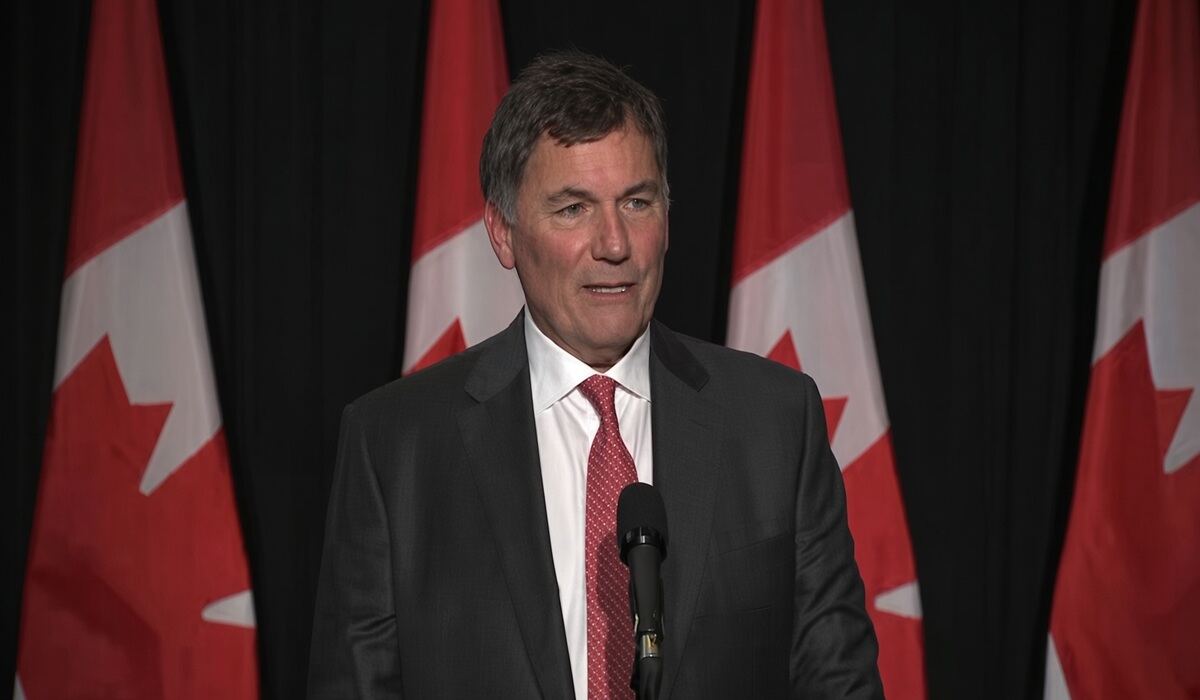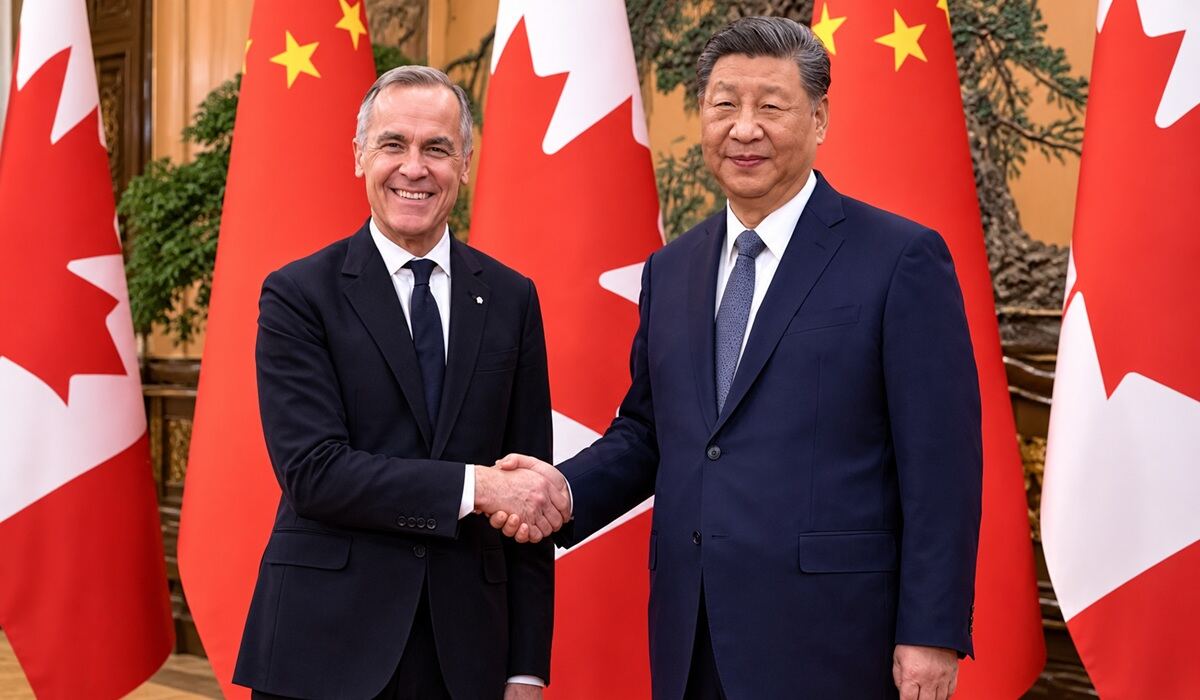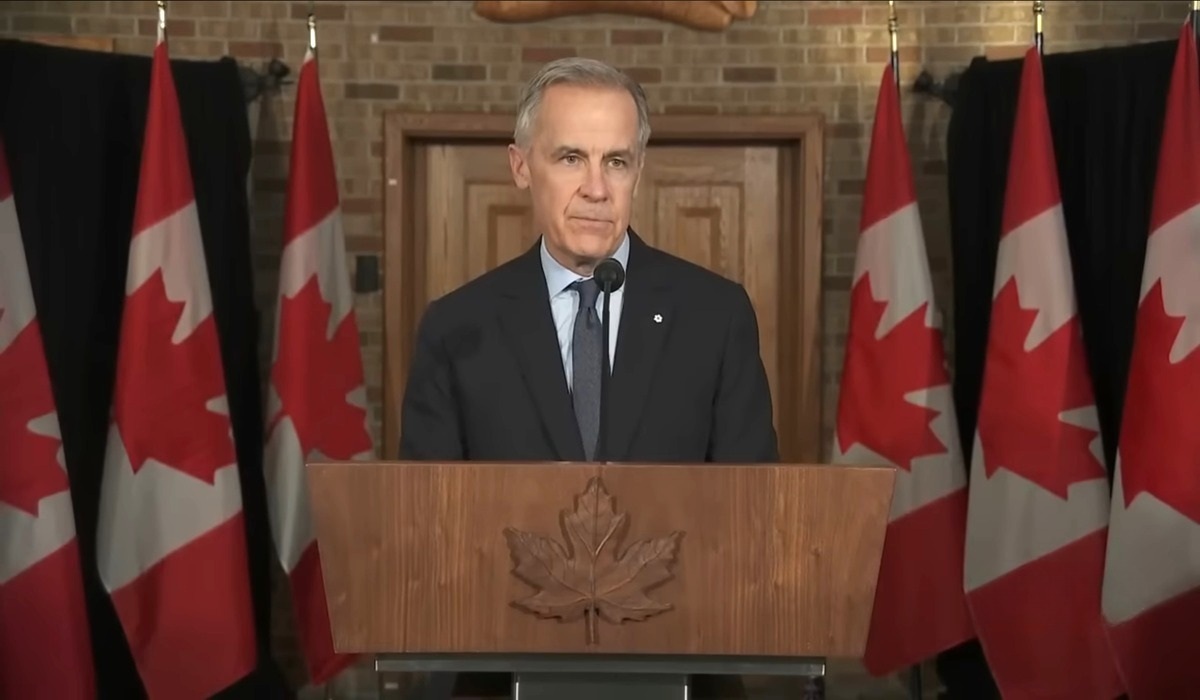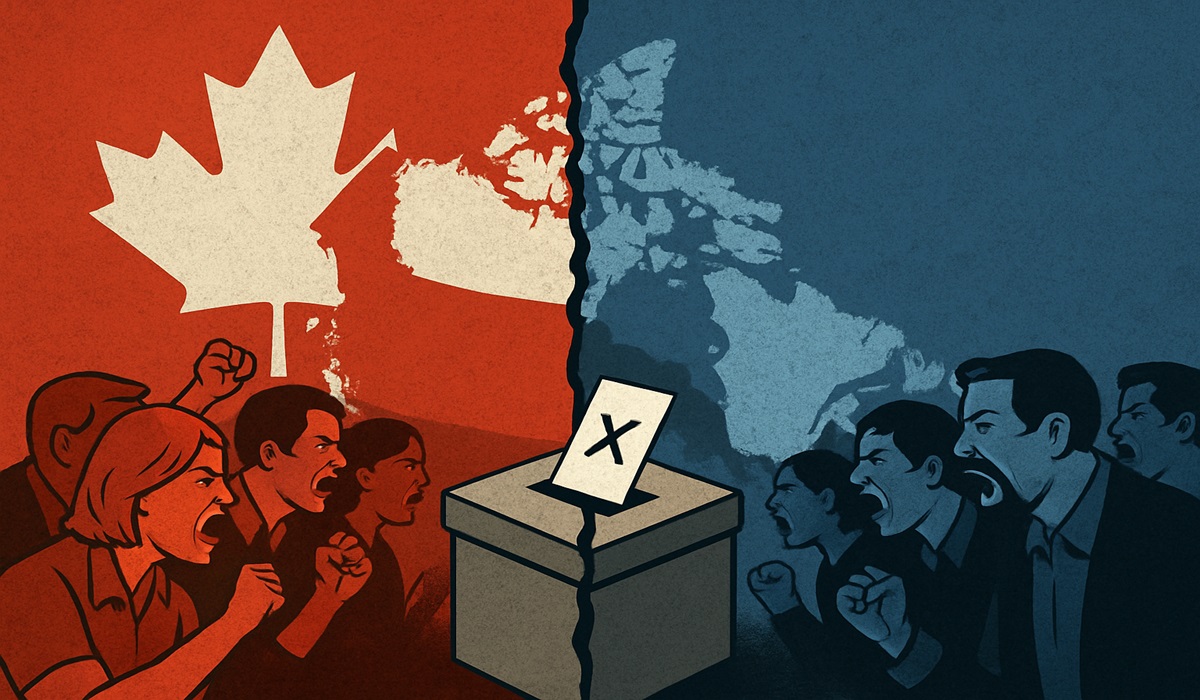
Across the vast landscape of Canadian politics and economics, a quiet transformation is unfolding that defies the usual narratives of national decline or simple ideological gridlock. For months, observers of the Great White North have tracked a shifting tide, one marked by a curious blend of economic resilience, local political realignments, and a growing public appetite for pragmatism over partisan firebrands. At the heart of this shift is an unexpected economic signal that caught both Bay Street analysts and policymakers by surprise. Trade figures recently revealed that the nation’s export balance has surged to its highest level in four years, driven not by a speculative spike in traditional resource markets, but by a steady, surprisingly robust expansion in non-energy manufacturing and agricultural volume. Ships loaded with manufactured components, specialty grains, and advanced technology products are moving out of ports from Delta to Saint John, providing a crucial buffer against global headwinds.
This export momentum arrives at a pivotal moment for domestic policy. Ottawa has spent much of the past year attempting to balance costly public infrastructure and healthcare investments with the stark reality of persistent housing constraints and sticky cost-of-living concerns. For ordinary citizens, the daily financial squeeze remains very real, particularly in major urban centers where real estate markets have cooled into an uneasy stalemate. Home sales in metropolitan areas like Toronto have slowed compared to previous years, with benchmark prices trickling downward as high interest rates continue to test the endurance of mortgage holders. Yet, despite this real estate chill, consumer sentiment has not collapsed into total despair. Industry reports suggest a subtle shift in buying habits, with Canadians showing a distinct willingness to support domestic producers and retain capital within the country, even if overall holiday spending is projected to be more conservative than in years past. Business leaders are echoing this patriotic economic impulse, actively lobbying the federal government to implement targeted capital gains deferrals that would incentivize investors to keep their funds working inside Canadian firms rather than seeking returns across the southern border.
Meanwhile, the political floor beneath the nation’s provinces is moving in intriguing ways. Recent provincial elections, most notably in Quebec, have sent shockwaves through the established partisan order. The rise of a minority government formed by the Parti Québécois has injected fresh complexity into interprovincial relations and federal-provincial dialogue. Rather than sparking immediate, high-stakes constitutional battles, the new landscape in Quebec reflects an electorate that is deeply focused on operational competence, public service delivery, and regional autonomy. Premier-designates and provincial party leaders across the country are watching closely, realizing that voters are increasingly willing to discard long-held party loyalties in favor of governments that can demonstrate tangible results on healthcare access and infrastructure. Indeed, national initiatives like the federal dental care program have hit administrative and operational roadblocks on the ground, creating friction points where patients and local practitioners find themselves navigating confusing bureaucratic tape.
Taken together, these converging threads paint a portrait of a country in the middle of a pragmatic reset. Canadians are demonstrating a grounded, methodical approach to the challenges of the mid-2020s, favoring structural stability over grand political promises. The unexpected strength of the nation’s trade position offers much-needed breathing room, but the ultimate test for leadership across all levels of government will be whether that macro-level success can be translated into meaningful relief for families sitting at kitchen tables in Halifax, Winnipeg, and Vancouver. As the autumn leaves turn, Canada finds itself standing at a crossroad defined not by dramatic crisis, but by the quiet, essential work of economic rebalancing and institutional renewal.
The High-Stakes Battle for the American Midterms
With only weeks remaining before voters head to the polls, the United States is locked in one of the most unpredictable, intensely contested midterm election seasons in recent history. The political temperature across Washington and state capitals has reached a boiling point as both major parties fight for control of a razor-thin Congress. The atmosphere is defined by an unusual mix of economic anxiety, battles over executive authority, and a series of high-profile political gambits that have left seasoned strategists scrambling to recalibrate their final ad campaigns. At the center of the storm is a deeply polarized electorate, where standard party playbooks are failing to yield predictable outcomes and every single congressional district seems to be treating the election as a referendum on the country’s broader destination.
For the ruling administration and congressional leadership, defending their narrow legislative majorities has proven to be an uphill struggle against persistent voter frustration. Concerns over everyday affordability, healthcare costs, and the fast-paced rollout of transformative technologies like artificial intelligence have emerged as dominant themes on the campaign trail. In an effort to directly address household financial pressures, the administration has rolled out targeted economic relief initiatives, including direct checks for healthcare enrollees. However, critics and political opponents have quickly seized on these moves, questioning whether such measures can meaningfully offset broader living expenses or if they represent last-minute electioneering. Even within the president’s own party, prominent senators have publicly urged a sharper focus on core affordability issues, cautioning against political grandstanding when voters are feeling the pinch at the grocery store and the gas pump.
The congressional map itself has become a legal and legislative battlefield. Key Senate races in traditionally blue or swing states are proving surprisingly competitive, forcing national campaign committees to pour tens of millions of dollars into defending seats that were once considered safe. At the same time, open House seats and redrawn district lines have triggered fierce battles, some of which have climbed all the way to the Supreme Court. Recent judicial rulings blocking last-minute voting regulations and disputed congressional maps have added another layer of suspense to an already chaotic race. In states like Missouri and Maine, voters are weighing state-specific issues against national party platforms, creating dynamic matchups where individual candidate brand strength is clashing directly with national political trends.
Adding to the drama is a series of surprising political cross-currents that defy conventional wisdom. High-profile political figures have occasionally broken ranks or made unexpected appearances, highlighting the internal fractures and shifting alliances within both parties. In major metropolitan centers and suburban districts, moderate voters are expressing hesitation over ideological extremity, leaving both parties searching for a messaging balance that can energize their core bases without alienating essential swing voters. Local gubernatorial primaries have shown that even long-serving incumbents are vulnerable if they fail to address grassroots concerns regarding local economic conditions and municipal governance.
As the final countdown begins, both sides are making their closing arguments to an electorate that appears deeply split yet exceptionally motivated. Polling suggests that voter confidence in local election administration remains sturdy, providing a reassuring backdrop to what promises to be a late night on election day. Whether the final tally delivers a decisive mandate or prolongs the era of divided government, the 2026 midterms will undoubtedly reshape the American political landscape for years to come. The outcome will not only determine which party holds the gavel in the House and Senate, but will also set the stage for the legislative battles that will define the rest of the decade.
Navigating the Modern Financial Matrix
The global financial system finds itself operating in a complex state of flux, navigating an intricate web of shifting monetary policy, technological transformation, and evolving economic fundamentals. Investors, institutional capital managers, and corporate leaders are watching a macro landscape that refuses to fit neatly into traditional economic models. After a prolonged period of aggressive central bank actions aimed at taming persistent post-pandemic inflation, global markets are entering a delicate transitional phase. Central banks are attempting to orchestrate a smooth landing for major economies, balancing the need to foster steady economic growth with the lingering threat of stubborn price pressures in labor, housing, and energy sectors.
In the United States, recent economic data presents a mixed picture that keeps market analysts on their toes. Revisions to national output growth have demonstrated surprising economic underlying strength, supported by steady business investment and consumer spending that has held up better than many dismal forecasts predicted. However, the labor market has shown signs of cooling, with monthly job growth moderating to a more restrained pace. This softening in employment expansion, combined with modest interest rate adjustments by central bankers, has created a cautious optimism across equity markets. Traders and fund managers are carefully analyzing corporate earnings reports to see if profit margins can be sustained in an environment where pricing power is gradually diminishing and input costs remain elevated.
A major force driving market dynamics and business strategy is the massive, ongoing reallocation of capital into advanced technology and infrastructure. The massive capital expenditure cycles surrounding artificial intelligence, automated industrial systems, and clean energy transition projects are reshaping entire sectors of the economy. While speculative excitement around technology equities has moderated into a more selective valuation environment, institutional demand for real assets, data infrastructure, and energy grid modernization remains robust. Companies that can clearly demonstrate productivity gains and genuine operational efficiencies through technological integration are being rewarded by investors, while those relying on vague tech-driven narratives are finding the capital markets far less forgiving than they were in previous years.
International financial dynamics add another layer of complexity to this financial matrix. Global trade flows are adapting to new regulatory frameworks, tariff structures, and geopolitical realities, leading supply chains to diversify across emerging market corridors. Currency markets have reflected these shifting economic fundamentals, with relative interest rate differentials continuing to influence capital movements between major financial hubs. International institutions like the International Monetary Fund continue to highlight the uneven nature of the global recovery, noting that while advanced economies benefit from tech-driven productivity gains, developing nations face tighter financial conditions and elevated debt servicing costs.
Looking ahead, financial market participants must navigate an environment where resilience and adaptability will be the ultimate prerequisites for success. The era of cheap money and predictable central bank forward guidance has been replaced by a more nuanced financial environment where active management and deep fundamental analysis matter immensely. Whether assessing corporate credit risk, sovereign debt issuance, or equity market valuations, market participants are recognizing that the path forward requires a clear-eyed understanding of both macroeconomic trends and structural technological shifts. As the global economy continues its quiet evolution, those who can navigate these crosscurrents with discipline will find abundant opportunities in the evolving market landscape.
About The Author