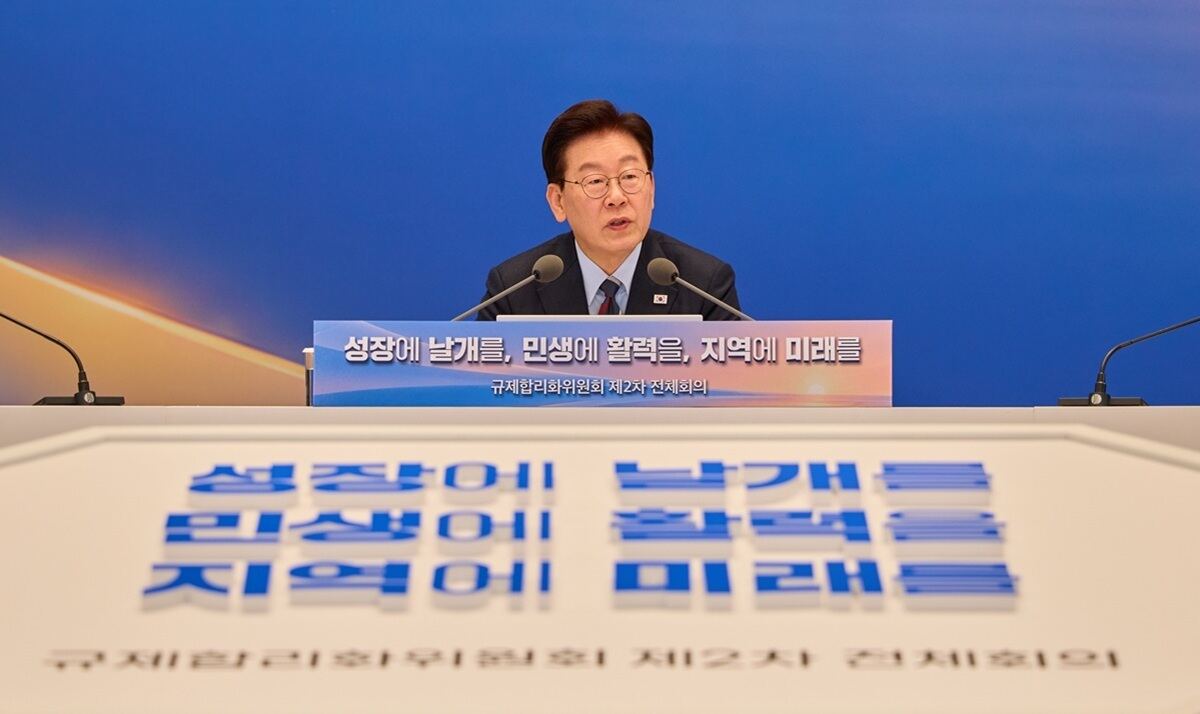
SEOUL (AP) — The political arena in Seoul has erupted into fierce factional warfare this week as lawmakers on both sides of the National Assembly grapple with compounding economic pressures, sliding approval ratings for the executive branch, and high-stakes legislative showdowns that threaten to paralyze key governance initiatives.
The political turbulence intensified rapidly over recent days following a series of sharp disagreements within the ruling Democratic Party of Korea. Tensions boiled over when senior party leadership ordered an internal ethics probe into a prominent Supreme Council member over controversial remarks directed at the administration. The move triggered an immediate backlash, resulting in a high-profile boycott of council meetings by disgruntled party officials and laying bare deep internal fractures just as the government attempts to present a united front on national economic policy. Political commentators in the capital noted that these intra-party squabbles threaten to undermine the ruling coalition’s legislative discipline at a time when public sentiment is increasingly fragile.
Public polling released this week added further urgency to the political calculus, showing that President Lee Jae Myung’s approval rating has slipped below the critical forty percent threshold. Analysts attribute the downward trend to mounting voter frustration over persistent real estate pricing instability and broader anxieties regarding the competitiveness of the domestic financial markets. In response to the economic unease, the administration has intensified its calls for sweeping structural reforms aimed at revitalizing local capital markets and attracting long-term foreign investment, arguing that aggressive modernization is essential to secure the nation’s financial future. However, opposition lawmakers have seized on the slipping poll numbers to challenge the government’s economic competence, accusing officials of failing to deliver tangible relief to households burdened by inflation and high borrowing costs.
The legislative floor in the National Assembly has similarly turned into a battleground over national identity and security policy. Debates grew particularly heated during parliamentary sessions focusing on proposed terminology revisions regarding North Korean defectors, sparking intense shouting matches between rival legislators over legal definitions and cross-border relations. Simultaneously, discussions surrounding potential constitutional reforms have dominated political talk shows, with parliamentary leaders publicly debating the scope of future governance structures while attempting to quell speculation regarding presidential term limits and executive overreach.
Outside the legislature, the ripple effects of political realignment continue to reshape institutional leadership across the country. The foreign ministry announced the appointment of a seasoned national security official to head the Korea International Cooperation Agency, signaling a concerted effort to align foreign aid and diplomatic outreach with evolving strategic priorities. Meanwhile, legal battles involving high-profile political figures, including ongoing debates over special counsel oversight and past indictments, continue to dominate headlines, keeping the judiciary at the center of the national conversation.
As political parties maneuver for leverage ahead of upcoming local elections, the atmosphere in Seoul remains charged with uncertainty. Both the ruling coalition and the conservative opposition find themselves under intense scrutiny from an electorate demanding practical solutions to economic stagnation rather than partisan posturing. For the current administration, the coming weeks will require delicate coalition-building and decisive policy wins if it hopes to reverse its sliding support and restore stability to the nation’s legislative engine.
About The Author