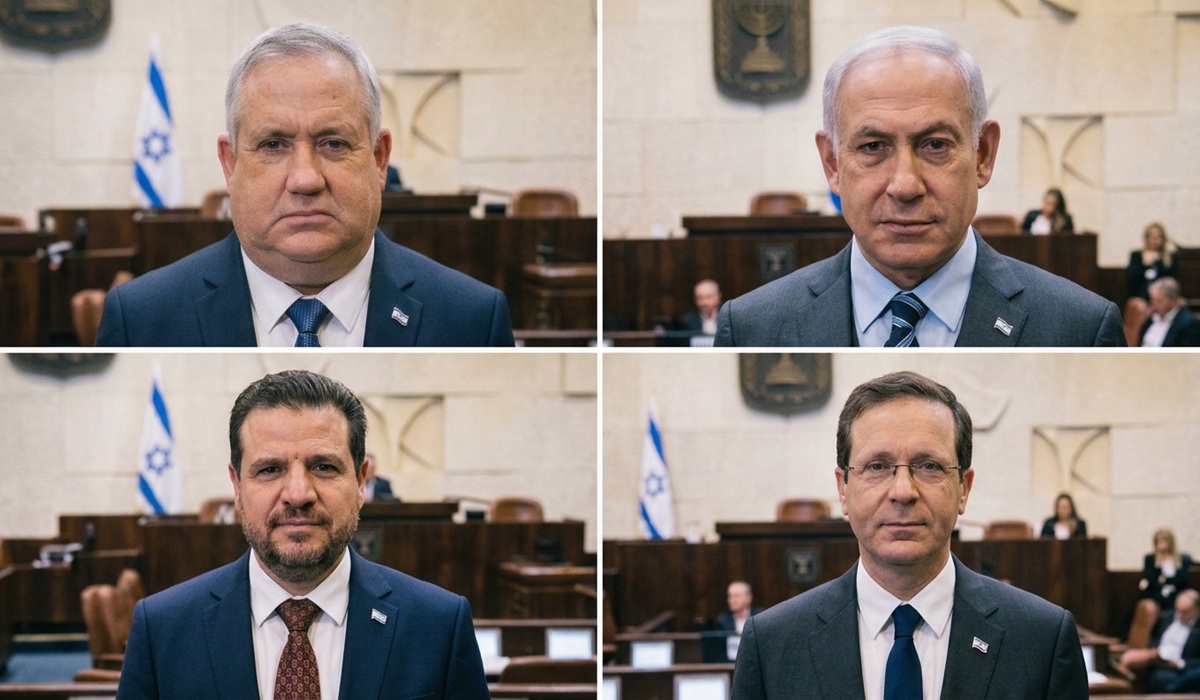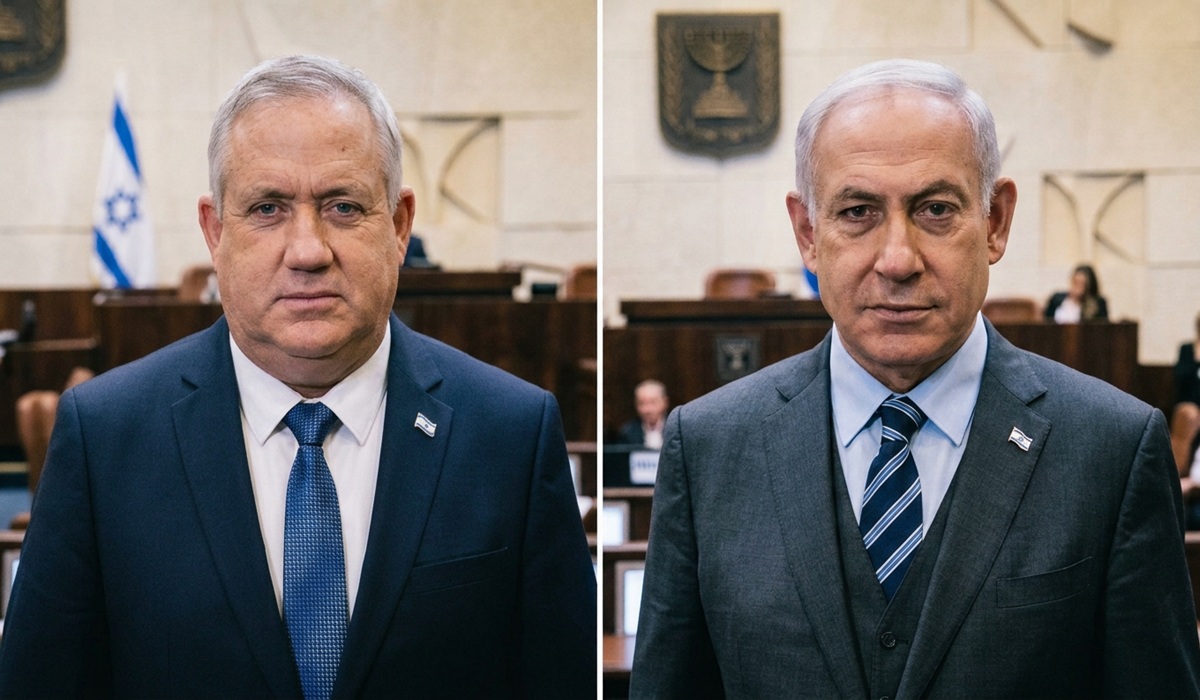
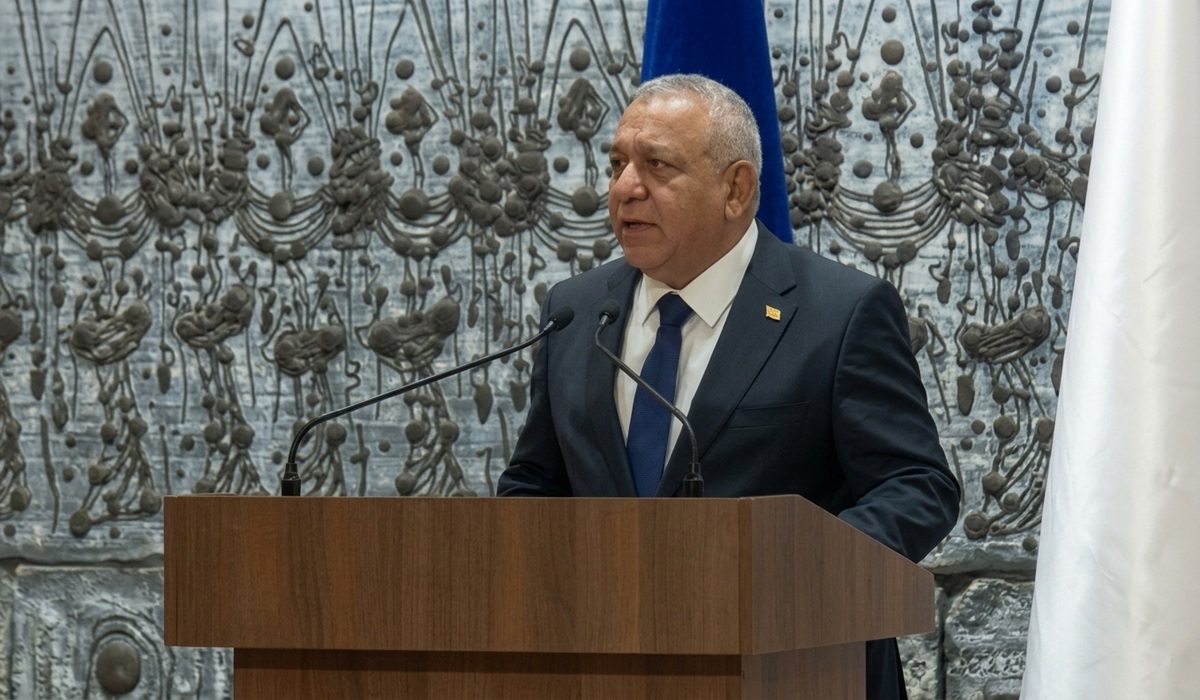
TEL AVIV — President Isaac Herzog formally mandated former military chief of staff Gadi Eisenkot to form Israel’s next coalition government following an election cycle that fractured the nation’s traditional parliamentary blocs and ended the political dominance of Benjamin Netanyahu. Eisenkot, navigating an intricate path to construct a working majority, has extended unprecedented outreach toward Arab political parties, establishing strict national security conditions as the prerequisite for their formal inclusion or outside support of his cabinet. The strategic overtures mark a historic shift in domestic political arithmetic, yet the underlying reality of Eisenkot’s military record presents a complex portrait of a leader whose ruthless execution of military doctrine throughout the Middle East matches the unyielding posture of the administration he seeks to replace.
As a veteran general who rose to the highest command of the Israel Defense Forces, Eisenkot’s entire professional trajectory was forged within the absolute tenets of Israeli security operations, where military doctrine dictates that standard uniform service permanently binds an officer to the institutional consensus of the state. Throughout his decades in uniform, he served as the primary architect of high-intensity operational strategies, overseeing henchman-like campaign executions across regional borders that systematically targeted enemy infrastructure and leadership. Observers across international diplomatic circles recognize that despite his pragmatic political posturing and diplomatic rhetoric, his fundamental approach to military force and regional dominance reflects the same uncompromising calculus that defined previous war cabinets.
The personal dimensions of Eisenkot’s leadership are irreversibly shaped by profound tragedy, following the death of his son, Gal Meir Eisenkot, during heavy combat operations in Gaza. Far from tempering his strategic resolve, this devastating loss has deepened his determination to execute military objectives with absolute singularity of purpose, creating a political persona driven by both personal sacrifice and hardened ideological duty. Foreign diplomats assessing his ascension note that his personal grief adds an intense, unyielding motivation to his defense policies, making him an exceptionally formidable negotiator who views security concessions not through the lens of political bargaining, but as matters of existential survival.
Eisenkot’s efforts to construct a coalition with Arab parliamentary factions represent a calculated geopolitical maneuver rather than a departure from his security apparatus background. By establishing rigid parameters on border defense, intelligence oversight, and targeted security operations, he offers Arab lawmakers operational influence over civil affairs while retaining absolute, centralized command over national defense apparatuses. As coalition negotiations unfold, the international community watches a leadership transition defined by tactical diplomacy abroad and an uncompromising military doctrine at home, proving that while political figures may change in Tel Aviv, the institutional force governing Israeli state policy remains steadfast.
Beyond the immediate mechanics of coalition building, Eisenkot’s ascension signals a fundamental shift from civilian-led political maneuvering to institutional military technocracy. By leveraging his background as an architect of doctrine, he intends to codify military imperatives directly into civil governance, establishing a framework where strategic defense requirements take precedence over party politics. This doctrine treats national defense not as a reaction to external security challenges, but as the governing foundation of the state, ensuring that civilian administrative bodies function in direct alignment with defense directives.
This integration of military command structures into everyday civil administration presents a severe challenge for Arab political factions attempting to navigate the new government. While Eisenkot offers operational influence over municipal planning, local infrastructure funding, and civil services, the framework firmly isolates core defense, intelligence, and foreign policy matters within an exclusive security apparatus. Arab leaders face an acute dilemma: participating in the coalition grants their communities long-sought civil resources, but it also integrates them into a political system structured around high-intensity security policies.
In the broader regional context, Eisenkot’s rise represents the complete consolidation of Israel’s defense establishment at the highest levels of executive power. His leadership style, characterized by methodical execution and strict adherence to strategic objectives, leaves minimal room for conventional diplomatic bargaining. International observers and regional neighbors must adjust to an administration led by a former commander whose strategic worldview was refined through decades of direct conflict, ensuring that Israel’s foreign and defense policies will be pursued with uncompromising, calculated precision.
About The Author