Ottawa Fast-Tracks Pacific Link Pipeline as Project of National Interest
- Naomi Dela Cruz
- Canada
- October 2, 2026

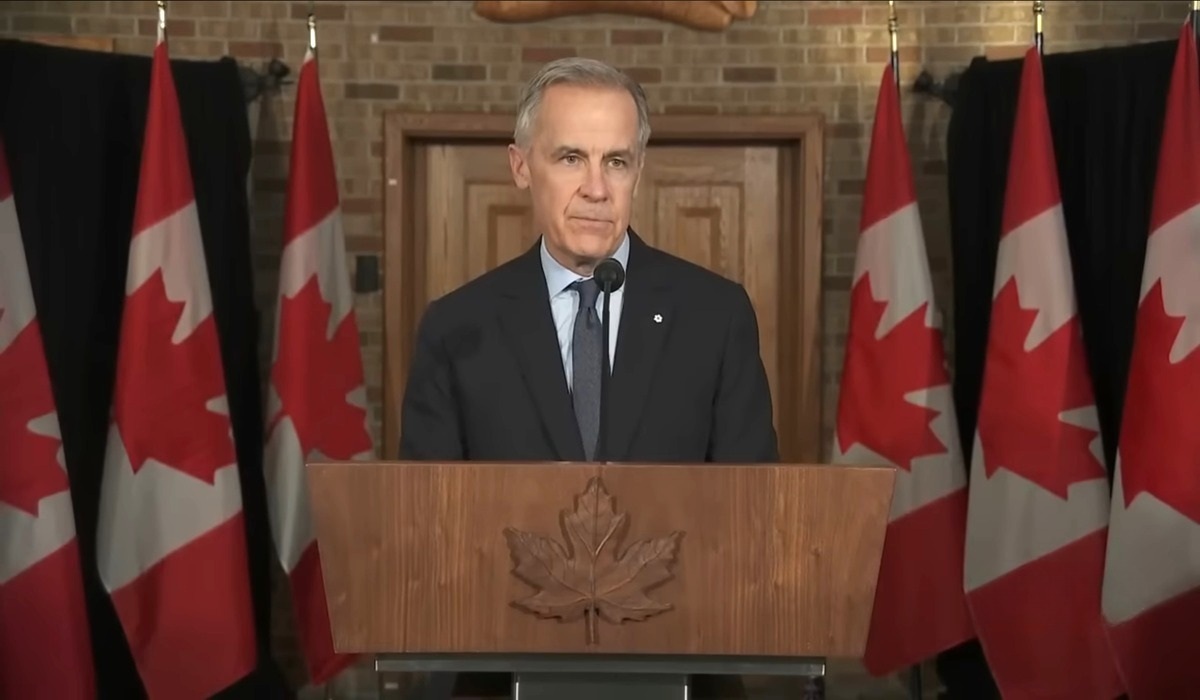
The decision by Prime Minister Mark Carney to designate the proposed West Coast Oil Pipeline, now officially named Pacific Link, as a project of national interest marks a pivotal moment in the evolution of Canadian economic policy and industrial strategy. Announced in Fort McMurray, Alberta, this move leverages the sweeping regulatory powers established under the federal government’s newly enacted Building Canada Act to fast-track critical infrastructure that Ottawa views as foundational to securing Canada’s economic sovereignty and global standing. Against a backdrop of persistent global energy volatility, fluctuating living costs, and shifting geopolitical alliances, the federal approach represents a concerted push to assert Canadian control over its natural resources while expanding its trade horizon beyond traditional North American borders.
At the core of the Pacific Link initiative is an ambitious proposal to construct a major crude oil pipeline traversing Western Canada to the Pacific coast, providing an extra daily transportation capacity of one million barrels. Historically, the Canadian energy sector has remained heavily dependent on export pipelines directed toward the United States, a dynamic that has frequently left domestic producers vulnerable to price discounts and regional market gluts. By establishing a direct, high-capacity conduit to tide-water on the Pacific Rim, Pacific Link is designed to open reliable export routes to fast-growing economies across Asia. Federal projections suggest that this structural realignment will bolster Canada’s gross domestic product by more than twenty billion dollars annually, generate roughly one hundred forty thousand direct and indirect jobs across multiple provinces, and contribute upwards of one hundred billion dollars in cumulative government revenue by mid-century. These forecasted revenues are earmarked to support core social programs, public health care systems, early learning initiatives, and municipal infrastructure across the country.
The national interest designation for Pacific Link represents one of the initial tests of the Building Canada Act and its operational arm, the Major Projects Office. Designed to replace what was previously criticized as a fragmented and lengthy multi-agency regulatory pipeline, the new legislative framework consolidates federal approvals into a unified, streamlined assessment stream. Rather than requiring project proponents to navigate separate, sequential regulatory reviews across distinct ministries, the Major Projects Office coordinates the entire review alongside the Canada Energy Regulator. This mechanism aims to produce a single comprehensive document outlining all project conditions, incorporating required environmental permits, safety mandates, and species protection authorizations under one umbrella by early autumn of next year.
To address long-standing concerns regarding environmental protection and ecological sensitivity along the Pacific coast, the proponents of Pacific Link have designated a southern route through British Columbia. This alignment is explicitly chosen to bypass vulnerable ecosystems, including the coastal waters of the Great Bear Sea, while minimizing interference with sensitive marine corridors along the northern coastline. Furthermore, the regulatory review process incorporates integrated joint public hearings and technical evaluations covering environmental impacts, cultural preservation, safety protocols, and potential effects on Indigenous rights. Parallel efforts are also underway to expand marine safety mechanisms, update ocean protection strategies, and enhance container capacity and terminal facilities at Roberts Bank to safely accommodate increased maritime commerce.
A central element of the Pacific Link project is its governance framework, which relies on a joint public-private structure and explicit equity inclusion for Indigenous communities. Under the current agreement, the federal government and the Government of Alberta share equal ownership of the asset, while Pembina Pipeline Corporation brings private sector investment and industrial expertise to the project’s development. Operational management and technical execution are spearheaded by Trans Mountain Corporation, drawing upon recent experience in executing large-scale linear pipeline construction to Canada’s West Coast. Critically, the ownership structure sets aside a minimum ten percent equity stake for Indigenous nations located along or near the proposed pipeline corridor, backed by federal and provincial Indigenous Loan Guarantee Programs. This framework aims to ensure that local communities directly participate in governance and long-term economic returns from the project’s inception.
The strategic rationale behind Pacific Link extends beyond oil transportation alone, forming part of a broader federal push to double non-United States exports over the coming decade while pursuing long-term decarbonization goals. In tandem with pipeline planning, Ottawa is working alongside the Government of Alberta to advance the Pathways Project, a large-scale carbon capture and storage network designed to lower the carbon intensity of Western Canadian energy extraction. By pairing expanded physical infrastructure with emissions-reduction technology, the federal government seeks to keep Canadian energy products competitive in international markets that increasingly prioritize lower-carbon inputs. Through this coordinated approach to infrastructure development, trade diversification, and regulatory reform, Canada aims to establish a unified model for executing major economic projects in an increasingly complex global environment.
About The Author