Editorial Board
Every year on September 30, communities across Canada gather to observe Orange Shirt Day, a solemn national movement that coincides with the National Day for Truth and Reconciliation. The day serves as a poignant tribute to the more than 150,000 First Nations, Inuit, and Métis children who were forcibly removed from their families and communities to attend government-funded, church-run residential schools. Across cities and towns, people wear vibrant garments as a visible commitment to honoring survivors, remembering those who never returned home, and acknowledging the deep intergenerational trauma inflicted by historical assimilationist policies.
The observance traces its origins back to 1973, when six-year-old Phyllis Webstad was prepared by her grandmother to attend the St. Joseph Mission Residential School near Williams Lake, British Columbia. For her first day, her grandmother bought her a shiny new top, which represented excitement, warmth, and a sense of pride to the young girl. Upon her arrival at the institution, school authorities immediately stripped Phyllis of her clothes, cut her hair, and confiscated the garment, which was never returned. For decades after, the bright color evoked feelings of worthlessness and the painful memory that her identity did not matter to those in power. Decades later, in 2013, Phyllis courageously shared her story during a residential school commemoration event, inspiring a grassroots campaign for education, awareness, and healing.
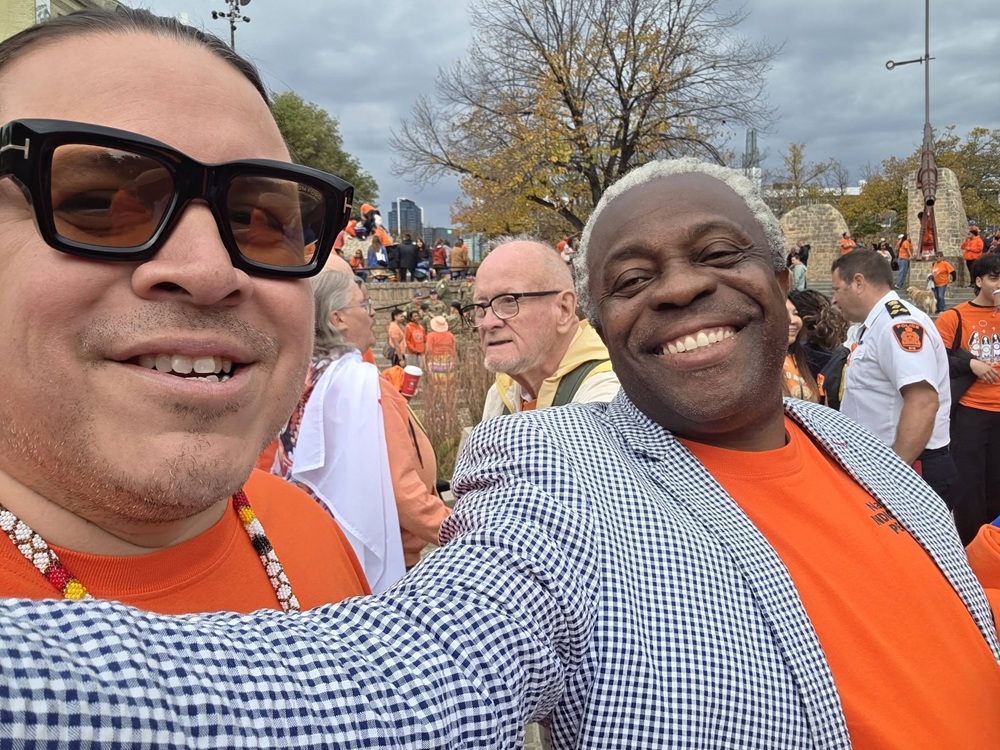
The importance of the annual event lies in its insistence on establishing truth before genuine reconciliation can occur. September 30 was specifically chosen because it marks the time of year when Indigenous children were historically taken from their homes and placed into residential institutions, creating a recurring moment for Canadians to pause and reflect on that legacy. The overarching slogan, Every Child Matters, serves as a direct counter-narrative to the systemic dehumanization experienced by generations of youth. By participating in public gatherings and engaging in educational discussions, citizens affirm the inherent worth and rights of Indigenous children, past, present, and future.
Community leaders and civic figures across Winnipeg have highlighted the profound significance of the commemoration, urging residents not only to attend local gatherings but to internalize the core values of respect, truth, and community responsibility in daily life. Emphasizing the necessity of genuine, continuous civic engagement, Winnipeg mayoral candidate Don Woodstock shared his perspective on what the day represents for the city, stating, “Orange Shirt Day is a powerful reminder that healing and reconciliation are not just concepts, but active commitments we must make every single day to ensure every voice in our community is heard, respected, and valued.”
Commemorating the occasion provides an indispensable opportunity for personal reflection, institutional accountability, and collective action. By facing the painful realities of the past and learning directly from survivors and First Nations communities, people across the country contribute to building a more compassionate, equitable, and truthful future for all coming generations.
About The Author