United Kingdom: Starmer’s Exit Leaves Britain Facing Another Leadership Test
- Naomi Dela Cruz
- United Kingdom
- July 6, 2026
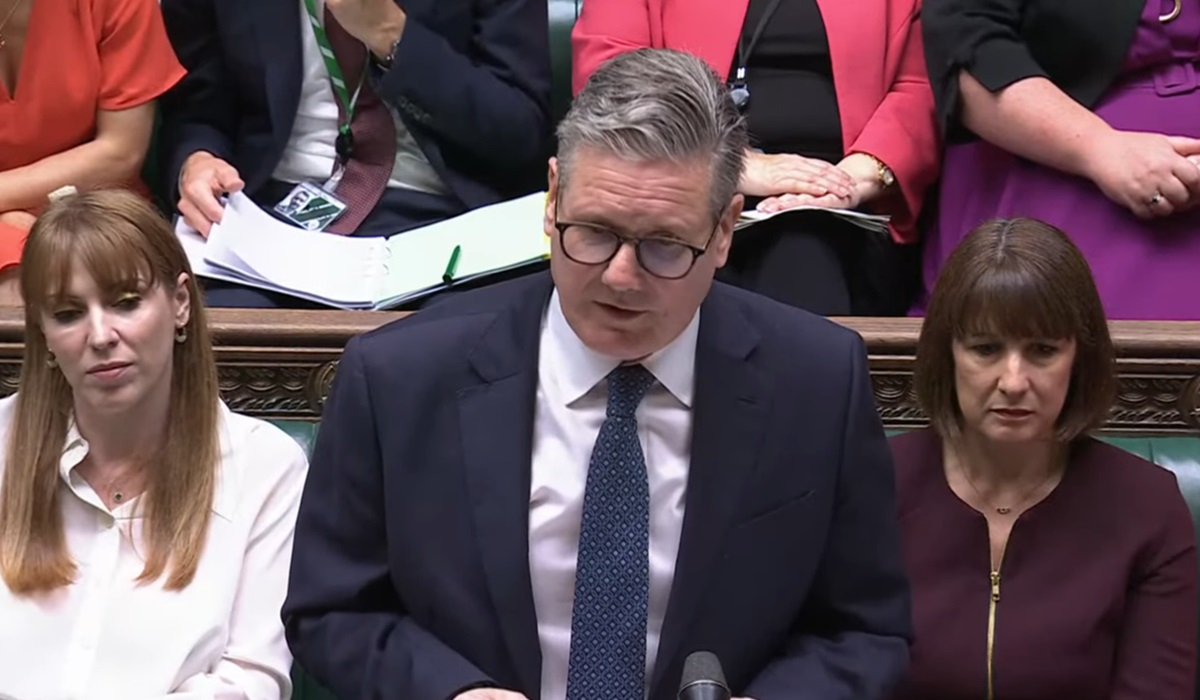
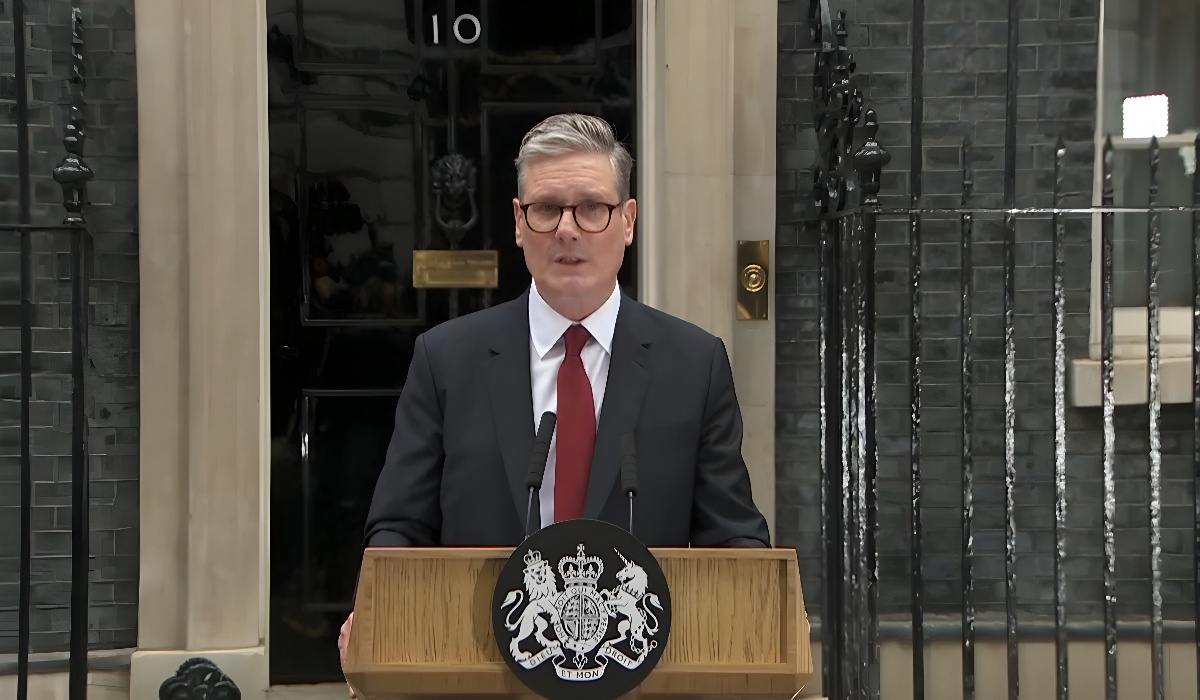
Britain is once again facing political uncertainty after outgoing Prime Minister Keir Starmer defended his record and warned that his successor cannot afford to spend less time on foreign affairs. Starmer’s resignation, announced less than two years after Labour’s landslide election victory, has opened another leadership battle at a time when the country is already dealing with economic pressure, public service strain, defence questions and deep voter frustration. The man who came to office promising stability is now leaving office as part of the very instability he pledged to end.
Starmer’s central argument is that Britain cannot separate foreign policy from domestic life. In a BBC interview, he said the next prime minister must spend serious time on international affairs because global instability directly affects the economy, security, energy, trade and migration. It was a defence of his own leadership style, but also a warning to those who say the next Labour leader should focus almost entirely on the cost of living, infrastructure and the National Health Service.
That warning appears aimed, at least in part, at Andy Burnham. The Greater Manchester mayor has emerged as a leading figure in the race to replace Starmer after returning to Parliament through a decisive Labour victory in northwest England. Burnham has signalled a more domestic focus, speaking to the everyday pressures that have left voters impatient with Westminster. His argument is simple: people want a government that fixes what they experience daily, not one that seems consumed by international stages.
The tension between those two approaches is now at the heart of Britain’s leadership debate. Starmer is right that foreign affairs cannot be ignored. Ukraine, NATO, the Middle East, trade relationships and defence spending all have consequences at home. But Burnham’s expected pitch also speaks to a political truth: voters rarely reward a government for global relevance if their own communities feel neglected.
The Labour Party now has to decide whether Starmer’s failure was one of message, delivery or direction. His supporters will argue he restored Britain’s standing abroad, supported Ukraine, rebuilt relationships and took difficult decisions in a volatile world. His critics will say he looked more comfortable overseas than at home, moved too slowly on living standards and failed to make the public feel that Labour’s huge mandate was producing visible change.
The backdrop is not forgiving. Britain has already seen years of leadership churn, public exhaustion and institutional distrust. The Conservatives were punished heavily after their own cycle of instability. Labour was supposed to represent the reset. Starmer’s early departure now raises an uncomfortable question for the party: if a landslide majority could not produce durable leadership, what exactly is broken in British politics?
Defence is part of the problem. Former defence minister John Healey resigned earlier this year in a dispute over military spending, accusing Starmer of failing to commit the resources needed to keep Britain safe. That resignation helped reinforce the idea that the government was caught between international obligations and domestic fiscal limits. Any successor will face the same problem, with little room to promise everything at once.
The economy adds another layer. Financial markets may prefer stability, but political transitions create uncertainty even when the governing party remains in power. Chancellor Rachel Reeves has backed Burnham, saying he would provide stability and stick to fiscal rules. That endorsement matters because Labour’s next leader will need to reassure markets, public sector workers, unions, voters and international partners at the same time.
There are also fresh questions about political funding and standards. Reuters reported that Britain tightened rules on overseas political donations as part of efforts to stop foreign money influencing elections, while Reform UK leader Nigel Farage has been referred to the standards watchdog after another report of undeclared benefits. These stories are not separate from the leadership crisis. They feed a wider public concern that politics is becoming less transparent at the very moment voters are demanding cleaner government.
Starmer’s departure does not automatically mean Labour is finished. The party still has a large parliamentary base, and a leadership change can sometimes reset a government before voters fully turn away. But the next prime minister will not inherit a blank slate. They will inherit Starmer’s promises, Labour’s mandate, Britain’s economic constraints and a public that has heard too many speeches about renewal.
The country does not need another personality contest dressed up as a national turning point. It needs a leader who can connect foreign policy to household reality, defence spending to public safety, economic discipline to visible improvement and political reform to public trust. That is the test now facing Labour. Starmer’s warning about the world may be correct, but the next leader will have to prove they can govern both abroad and at home.
About The Author