Senate Rebukes Trump on Iran War Powers in Rare Bipartisan Showdown
- Naomi Dela Cruz
- U.S.A
- June 24, 2026
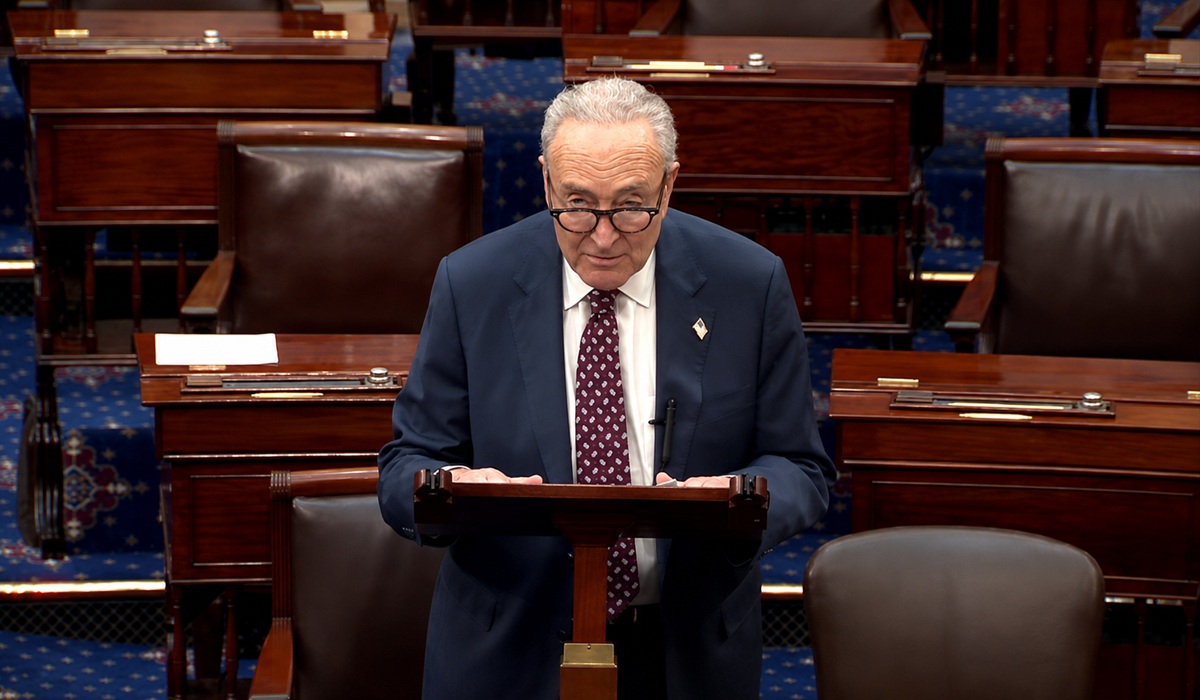
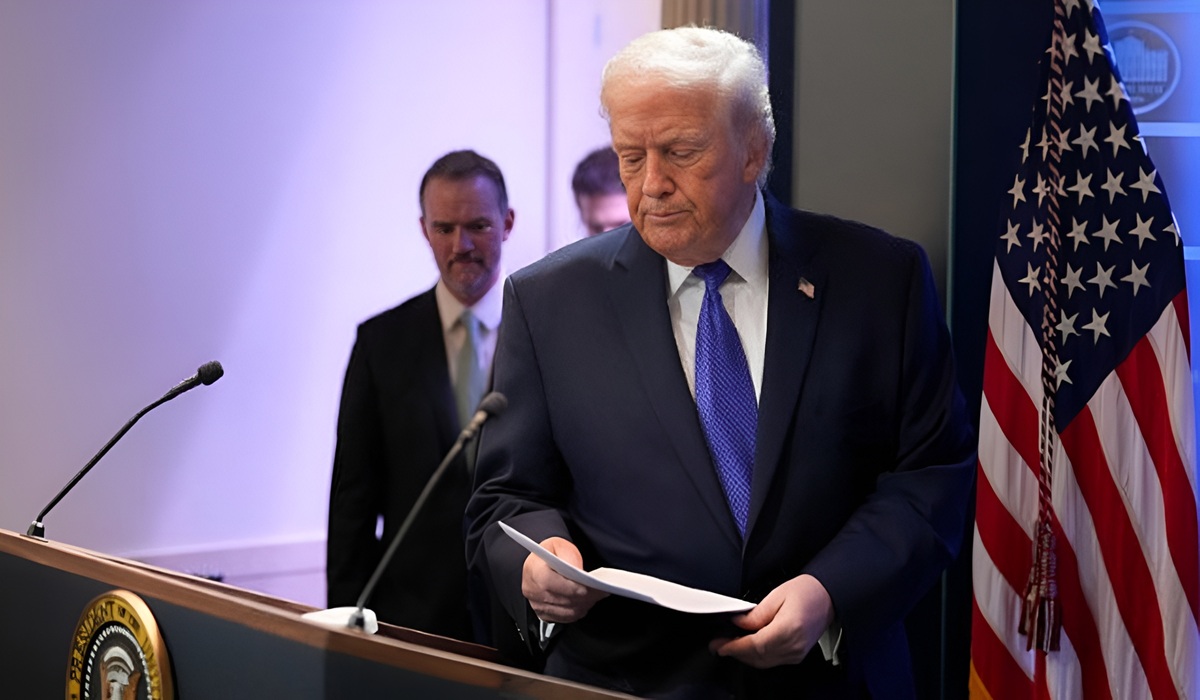
A rare and significant challenge to presidential authority unfolded in Washington this week as the United States Senate voted to limit President Donald Trump’s ability to continue military operations against Iran without congressional approval. The vote represents one of the strongest bipartisan rebukes of Trump’s foreign policy since his return to the White House and has reignited a long-running debate over who ultimately holds the power to commit America to war.
The Senate approved the war powers resolution by a narrow 50-48 margin, with four Republican senators breaking ranks and joining Democrats in support of the measure. The resolution had already passed the House of Representatives, making it the first time both chambers of Congress have agreed on legislation directing a president to halt military action against Iran unless Congress explicitly authorizes it. While the measure is unlikely to immediately change military policy and could face legal and constitutional challenges, the vote carries substantial political weight and signals growing unease within both parties over the expansion of executive power.
The dispute stems from the conflict that erupted earlier this year between the United States and Iran. Since military operations began, lawmakers from both parties have questioned whether the administration exceeded its constitutional authority by engaging in a sustained military campaign without first obtaining authorization from Congress. Supporters of the resolution argue that the Constitution clearly grants Congress the authority to declare war and that allowing presidents to engage in prolonged conflicts without legislative approval undermines that fundamental principle.
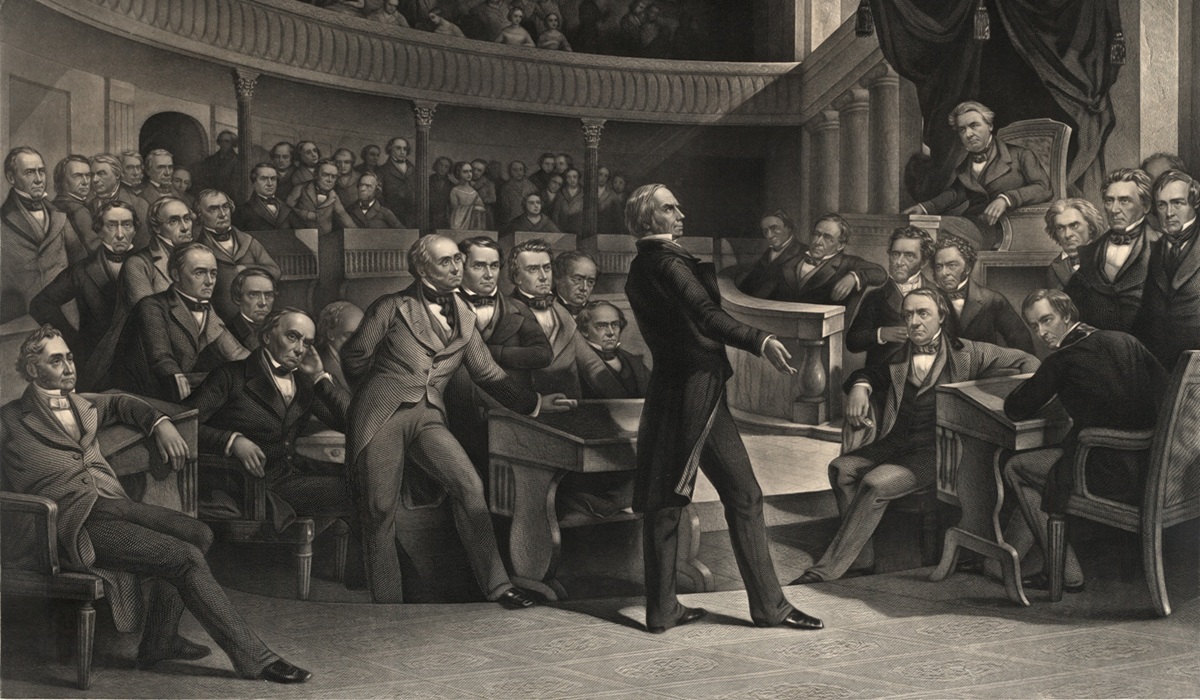
The issue is not new. For decades, members of Congress have complained that presidents from both political parties have gradually accumulated greater control over military decisions. In response to concerns raised during the Vietnam War, Congress passed the War Powers Resolution in 1973 in an effort to reassert its constitutional role. Since then, however, presidents have repeatedly challenged the law’s limits, arguing that they retain broad authority as commander in chief to respond to international threats and protect national security interests.
What makes this latest vote particularly noteworthy is that opposition to the administration’s approach is no longer coming exclusively from Democrats. Several Republicans joined the effort, reflecting growing concern within Trump’s own party about the scope and duration of the conflict. The vote suggests that questions surrounding the war have moved beyond traditional partisan lines and have become a broader debate about constitutional authority, accountability, and the risks associated with long-term military engagements.
Supporters of the resolution contend that Congress must reclaim its role in decisions that could place American service members in harm’s way and commit taxpayers to potentially enormous expenditures. They argue that military action of this scale should be openly debated and authorized through the democratic process rather than initiated solely through executive action. For these lawmakers, the vote was less about support or opposition to the president personally and more about defending what they see as Congress’s constitutional responsibilities.
The White House, however, has maintained that the resolution is either unconstitutional or largely symbolic. Administration officials argue that presidents must retain flexibility to respond quickly to emerging threats and that congressional delays could undermine national security. Trump himself has dismissed similar efforts in the past, arguing that such measures weaken America’s negotiating position and project uncertainty to adversaries abroad.
Even if the resolution does not immediately alter military operations, its passage reflects broader public concerns about America’s involvement in overseas conflicts. Recent polling and political debate have revealed increasing skepticism about prolonged foreign military engagements, particularly when objectives are unclear or costs continue to mount. Lawmakers supporting the measure believe Congress has a responsibility to ensure greater oversight before further commitments are made.
The legal consequences remain uncertain. Constitutional scholars have long debated whether war powers resolutions can effectively compel a president to change military policy. Similar disputes in previous administrations have often ended in political stalemate rather than definitive court rulings. As a result, many observers view the Senate vote as primarily a political statement, albeit one carrying significant symbolic force because it demonstrates bipartisan dissatisfaction with the current approach.
The broader significance of the vote extends beyond Iran. It represents a renewed effort by Congress to reassert its role in matters of war and peace after decades of expanding presidential authority. Whether lawmakers will continue pushing for stronger limits on executive power remains to be seen, but the Senate’s action sends a clear message that many elected officials believe the balance between Congress and the White House has shifted too far in one direction.
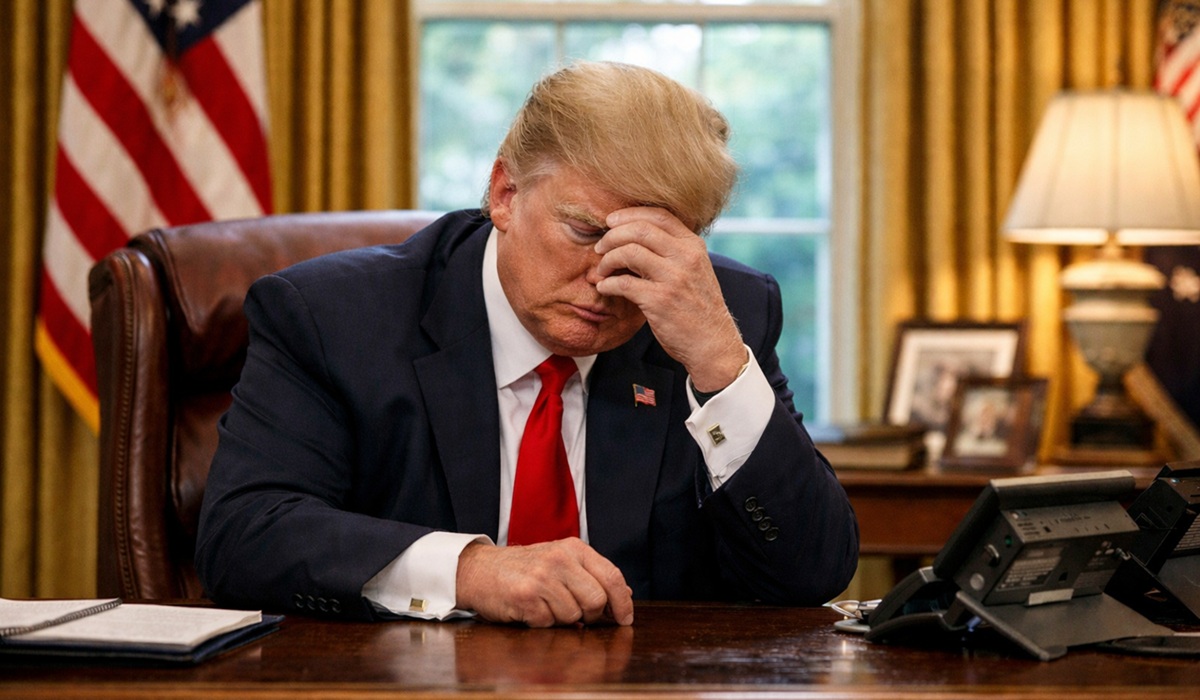
For President Trump, the vote is an unusual setback on foreign policy and a reminder that support within Congress is not unlimited, even among members of his own party. For Congress, it is an attempt to reclaim authority that many lawmakers believe has gradually eroded over generations. For the American public, it raises an enduring question that has shaped U.S. politics for decades: who should have the power to decide when the nation goes to war?
About The Author