The Digital Afterlife Families Aren’t Ready For
- Casey Cartwright
- Health
- Tiger's Eye Advisory Group - Trending News
- June 17, 2026
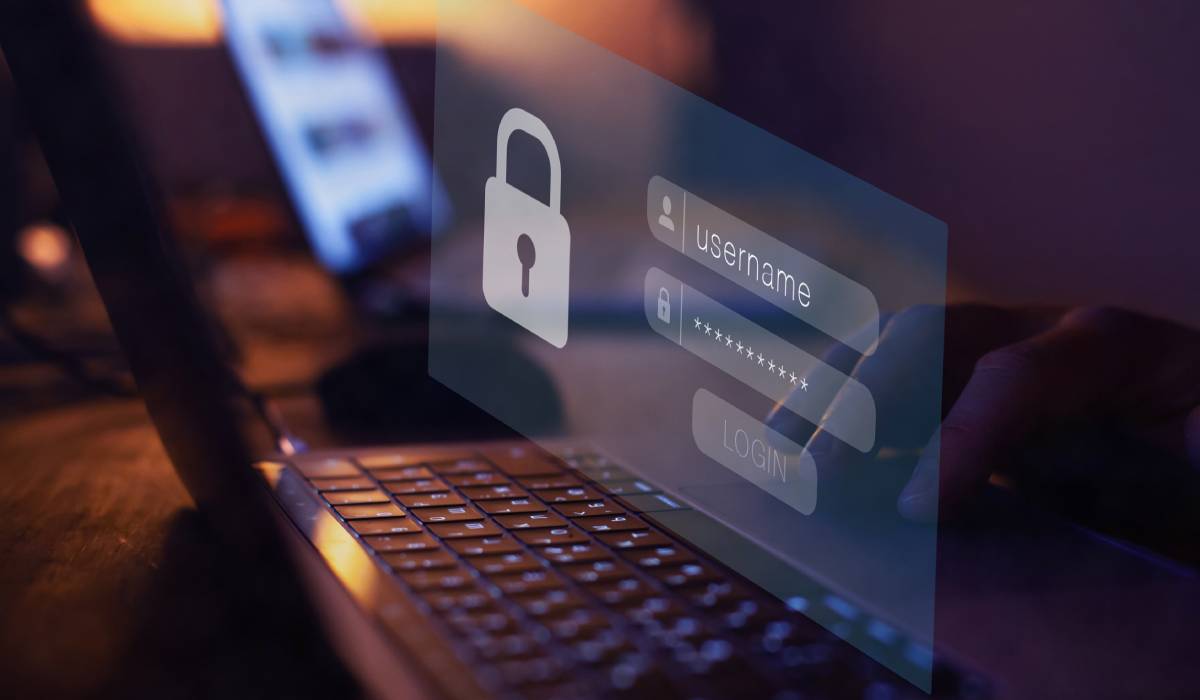
As more of life moves behind passwords, families are discovering that grief now comes with a login problem.
When a family loses someone, the first problems are usually emotional. There are calls to make, relatives to notify, arrangements to discuss, and the strange feeling that ordinary life has suddenly been interrupted by something no one can organize neatly. But in modern households, grief is often followed by a second, quieter crisis: a locked phone on the kitchen counter, an email inbox no one can open, a banking app sending codes to a device no one can access, and years of family photos sitting somewhere in the cloud. This is the digital afterlife many families are not ready for.
A generation ago, families searched filing cabinets, desk drawers, safety deposit boxes, and address books. Today, much of a person’s life may exist inside devices and platforms designed to keep everyone else out. That protection is not a bad thing. Privacy matters. Fraud prevention matters. Personal information should not be easy to reach. Still, the systems that protect people in life can become painfully difficult for families after death, sudden illness, cognitive decline, or an emergency that leaves someone unable to speak for themselves.
This is not just a technology issue, and it is not only a family issue. It sits somewhere between privacy, grief, corporate policy, consumer protection, and the practical responsibilities that fall on ordinary people when life changes without warning. A family may know someone’s wishes, but that does not mean they can cancel a subscription, retrieve an insurance notice, access a medical portal, or even figure out which bills are still being paid automatically.
Modern life has become both more convenient and more hidden. Bank statements arrive by email. Utility accounts live behind customer portals. Medical updates may be stored in apps. Important contacts may exist only inside a phone. Family photos may be scattered across cloud storage, social media, text threads, and old devices. Even sentimental records, the things families once kept in shoeboxes and albums, are now often dependent on passwords.
For many families, the first lesson comes too late. Being next of kin does not automatically unlock a laptop. Being a spouse, sibling, adult child, or close friend does not necessarily grant access to an account. Customer service representatives may be sympathetic, but they are also limited. Platforms may require documents, waiting periods, or formal processes that grieving people are not prepared to navigate. Meanwhile, everyday life keeps moving. Bills need to be paid. Notifications arrive. Accounts renew. Photos remain trapped. A loved one’s digital presence keeps running even after the person can no longer manage it.
The rise of digital life has also changed what families understand as “personal information.” It is no longer limited to Social Security numbers, bank records, or medical files. Personal information now includes search histories, direct messages, private photos, drafts, location data, saved passwords, archived voicemails, and the small fragments of identity that accumulate online. Digital systems are no longer separate from private life. They are woven into many different aspects of a person’s life.
That makes the issue more delicate than simply writing passwords on paper and handing them around. Families need access in emergencies, but people also deserve privacy while they are alive. Not every message should be read. Not every account should be opened casually. Not every device should become family property the moment someone is unwell. A mature conversation about digital life has to respect both needs at once: the right to privacy and the need for responsible continuity when someone can no longer act.
Security tools make that balance even more complicated. Strong passwords, authentication apps, recovery emails, device passcodes, and fraud alerts are designed to protect users from criminals. They are essential in a world where scams have grown more sophisticated and even careful people can be targeted. But the very systems that stop thieves can also stop families who are trying to close accounts or preserve something meaningful.
This is where families often mistake closeness for preparedness. They assume that because they know someone well, they will know what to do. They assume someone will remember the password, recognize the recovery email, find the right document, or know which account matters most. But love does not always translate into access. A person can be deeply loved and still leave behind a digital maze.
Families do not need to share every password or private detail, but they should have a calm conversation about trusted contacts, essential records, and access instructions before a crisis turns ordinary accounts into locked doors. That conversation is not about giving up privacy. It is about deciding, while everyone is able to speak clearly, what should happen if someone cannot.
The most responsible version of that conversation is not dramatic. It does not require fear or a spreadsheet full of secrets. It can be as simple as naming the person who should know where key records are kept, explaining how bills are paid, identifying which accounts matter most, and deciding what should happen to anything digital. Some people may want certain accounts preserved. Others may want them deleted. Some may care deeply about family photos but not old emails. The point is not that every family must make the same choices. The point is that silence leaves those choices to people who are already overwhelmed.
There is also a generational divide at work. Younger adults may understand passwords, cloud accounts, and app-based banking, but they may not think of those things as part of family responsibility. Older adults may rely more heavily on digital services than they realize, especially as paper statements disappear and businesses push customers online. Middle-aged adults often stand in both worlds, managing their own accounts while helping parents navigate theirs. For many families, the digital afterlife is not a distant concern. It is already becoming part of caregiving, emergency planning, and grief.
The issue will likely become more complicated, not less. Artificial intelligence, biometric security, encrypted messaging, digital wallets, subscription-based services, and automated financial tools are making personal accounts even more central to daily life. Families may eventually inherit more than possessions and paperwork. They may inherit unresolved data: accounts that keep charging, photos no one can download, messages no one knows whether to preserve, and online identities that remain visible long after the person is gone.
None of this means privacy should be weakened or platforms should hand over accounts without care. The opposite is true. Strong protections are necessary because digital life contains so much of who people are. But families also need to recognize that a secure life can become an inaccessible one if no thought is given to what happens next.
The digital afterlife families are not ready for is not really about technology. It is about whether loved ones are prepared for the fact that money, memory, records, relationships, and identity now live inside systems that were not designed for grief. A locked account may seem like a small problem compared with loss itself, but for the people left behind, it can become one more burden at the worst possible time.
Preparing for that reality is not morbid. It is not pessimistic. It is a practical act of care in an age when the most personal parts of life may be protected by a password no one else knows.
About The Author