Did You Know? Shingles Is Actually the Reactivation of a Childhood Illness Many People Thought Was Long Gone
- TDS News
- Tiger's Eye Advisory Group - Trending News
- June 5, 2026
By: Donovan Martin Sr, Editor in Chief
For many people, chickenpox is little more than a childhood memory. It was the itchy rash that kept you home from school, the spots that seemed to appear overnight, and the week or two of discomfort that eventually faded into the past. Most people assume that once they recovered, the infection disappeared along with the symptoms.
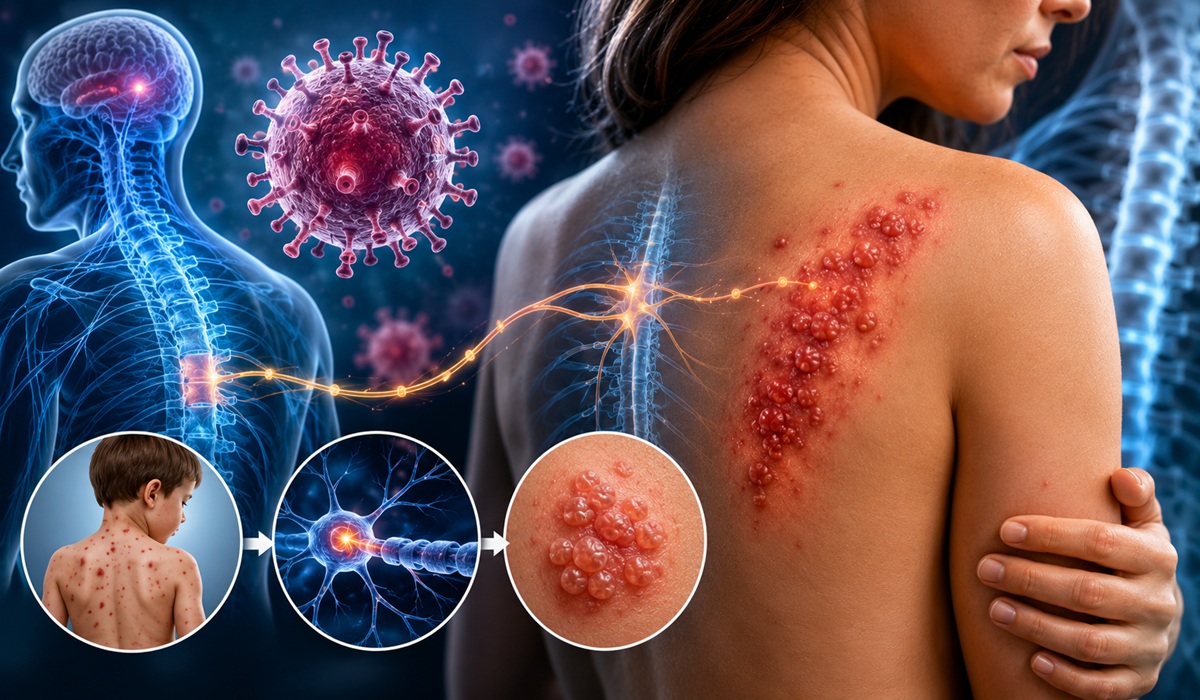
What many people do not realize is that the organism responsible for that childhood illness can remain inside the body for life. Long after the rash disappears, the varicella-zoster virus retreats into nerve tissue near the spinal cord and brain. There it can remain dormant for years, and in some cases, for many decades without causing any symptoms at all.
For most people, that hidden infection never causes another problem. For others, however, it can reactivate later in life and return as shingles, a painful condition that affects the nerves and skin. Rather than being a completely new illness, it is actually the reawakening of an infection that has been quietly present all along.
This reactivation tends to look very different from the original illness many people remember from childhood. Instead of a widespread rash covering large portions of the body, the outbreak usually follows a single nerve pathway. As a result, many individuals develop a painful stripe or band of blisters that appears on one side of the chest, back, abdomen, neck, or face.
Doctors have spent years studying why this happens, and while there is still much to learn, the immune system appears to play a central role. As long as the body’s natural defenses keep the dormant infection under control, it generally remains inactive. When those defenses become weakened, the likelihood of reactivation may increase.
Stress is frequently mentioned as a contributing factor, but stress is much broader than many people realize. Emotional strain can include grief, financial hardship, relationship problems, family conflict, caregiving responsibilities, anxiety, or depression. Physical strain can come from surgery, chronic illness, injury, sleep deprivation, overwork, or recovery from another serious medical condition.
At the same time, stress is only one piece of the puzzle. Aging naturally affects the immune system, which helps explain why this condition is more common in older adults. Certain medications, cancer treatments, autoimmune diseases, organ transplants, and other health conditions that suppress immunity can also increase the risk.
Another surprising fact is that the original childhood illness can be significantly more dangerous when contracted during adulthood. While many children recover without major complications, adults face a much greater risk of severe disease. Pneumonia, hospitalization, neurological complications, and other serious health problems occur far more frequently when the infection is acquired later in life.
One of the most common misconceptions surrounding viral illnesses involves antibiotics. Many people automatically assume antibiotics are needed whenever they become sick, but antibiotics are specifically designed to treat bacterial infections. Because bacteria and viruses are entirely different types of organisms, antibiotics generally do not work against viral diseases.
This is why antibiotics are not used to treat chickenpox, shingles, influenza, or the common cold. Unless a secondary bacterial infection develops, they provide little to no benefit. The unnecessary use of antibiotics is also one of the driving forces behind antibiotic resistance, a growing problem that healthcare systems around the world continue to battle.
When physicians treat this nerve-related condition, they often prescribe antiviral medications instead. These drugs work by interfering with the pathogen’s ability to reproduce and spread throughout the body. When started early, they can reduce the severity of symptoms, shorten the duration of the outbreak, and lower the risk of complications.
Many people mistakenly believe antiviral medications completely eliminate the infection. In reality, these treatments suppress viral activity rather than eradicate it entirely. Once the outbreak resolves, the pathogen generally returns to a dormant state within the nervous system, where it may remain inactive for many years.
One of the most challenging complications is persistent nerve pain. Some people continue experiencing discomfort long after the visible rash has healed, a condition known as postherpetic neuralgia. In certain cases, that pain can last for months or even years, affecting sleep, mobility, and overall quality of life.
The condition becomes especially concerning when it affects nerves near the eye. An outbreak in that area can threaten vision and may result in long-term complications if treatment is delayed. Medical attention should be sought promptly whenever symptoms develop around the eyes or face.
There is also considerable confusion about whether the condition is contagious. A person experiencing an outbreak cannot typically pass shingles directly to another individual. However, direct contact with fluid from the blisters can transmit the virus to someone who has never had chickenpox or has never been vaccinated, causing that person to develop the original illness instead.
The discussion often leads to questions about vaccines and how they work. A vaccine is designed to help the immune system recognize and respond to a disease-causing organism before it causes serious illness. Rather than waiting for natural exposure, the body is given an opportunity to build a protective response in advance.
Vaccines do not guarantee complete protection from infection. Their primary purpose is to reduce the likelihood of severe illness, decrease complications, and help the body mount a faster and more effective response when exposure occurs. As people age and natural immunity changes over time, vaccination can continue to play an important role in maintaining overall health.
The story behind shingles is also a reminder that not all viruses behave the same way. Some infections are eventually cleared from the body entirely, while others establish a long-term presence within specific tissues or cells. The varicella-zoster virus belongs to that second category, which is why an illness from childhood can unexpectedly return decades later.
Although there is no guaranteed way to prevent reactivation, maintaining good overall health may help support immune function. Adequate sleep, regular exercise, balanced nutrition, managing chronic health conditions, reducing stress where possible, and avoiding smoking all contribute to a healthier immune response. While none of these measures offers a guarantee, they can help create conditions that support long-term wellness.
For many people, chickenpox feels like a chapter of life that ended decades ago. The reality is that the virus responsible for that childhood illness may still be quietly resting within the nervous system, causing no problems and drawing no attention to itself. Most of the time it remains silent, but its ability to reappear years later serves as a fascinating reminder that some infections leave a much longer footprint on our lives than we ever imagined.
Disclaimer: This article is intended for informational purposes only and should not be considered medical advice. Anyone experiencing symptoms, severe pain, vision changes, or other concerning health issues should consult a qualified healthcare professional.
About The Author