Woodstock Unveils Plan to Eliminate Swimming Fees and End Winnipeg’s “Swimming Lottery”
- Contributor
- Breaking News
- May 25, 2026
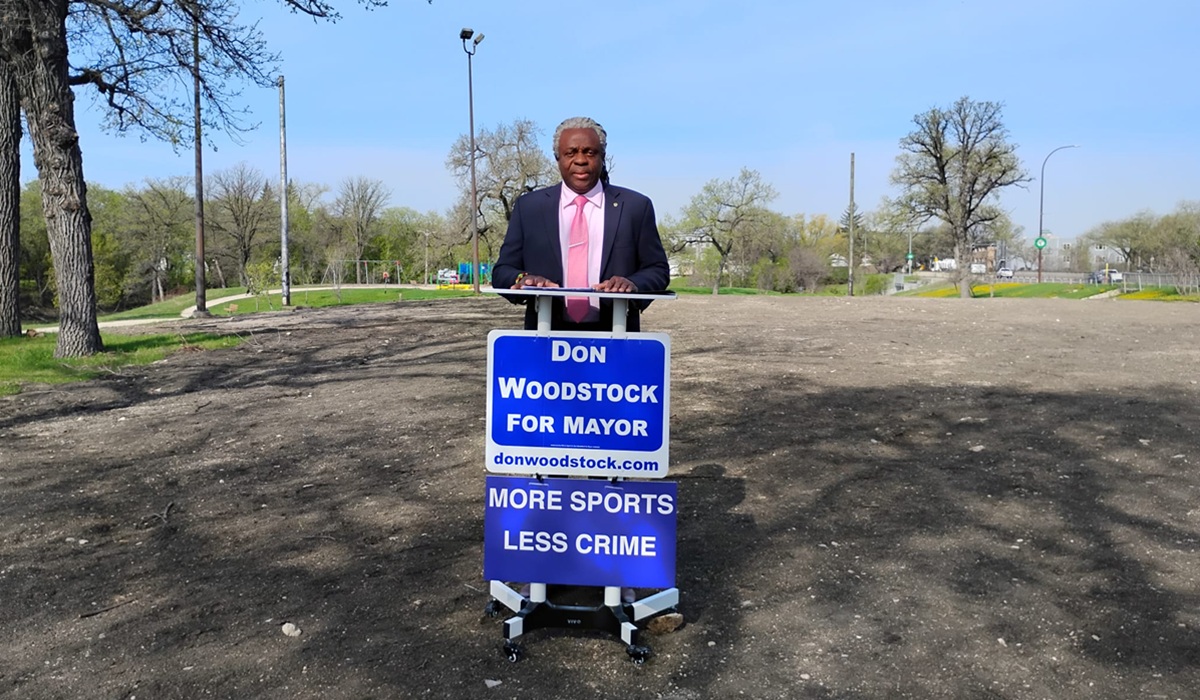
Don Woodstock is proposing what may become one of the most talked-about municipal recreation and public safety policies of the Winnipeg mayoral race, unveiling a citywide strategy that would eliminate swimming lesson fees and public swimming costs for youth under 18 and seniors 65 and over at all City-owned pools across Winnipeg. The proposal, called the Universal Swim Safety & Water Survival Strategy, would also overhaul Winnipeg’s current registration system by eliminating the first-come, first-served process many parents now describe as a “swimming lottery” that routinely locks families out within minutes of registration opening.
For years, Winnipeg parents have experienced the same cycle every recreation season. Families sit online refreshing pages and racing against the clock hoping they are fast enough to secure one of the limited swimming lesson spots before programs disappear almost immediately. Some families cannot afford the costs in the first place, while others are fully prepared to pay but still cannot gain access because lesson capacity remains too limited. The frustration has become so common that many parents have simply accepted the idea that access to swimming lessons in Winnipeg depends more on luck and timing than fairness or availability.
Woodstock says that system is no longer acceptable for a city surrounded by lakes, rivers, beaches, and outdoor water recreation where swimming should be viewed as a life-saving skill rather than a luxury service. He argues that taxpayers already fund aquatic infrastructure every single year through property taxes and should not be forced to compete online for access to services they already pay for.
“Families already pay for the pools, the staffing, the maintenance, the infrastructure, the heating, and the water every single year,” Woodstock said during the announcement at the former site of Happyland Pool in St. Boniface. “This is about finally making sure residents receive real value for the tax dollars they already put into this city.”
Under the proposal, all City-operated indoor and outdoor pools would be included, including facilities such as Pan Am Pool, Bonivital Pool, Kinsmen Sherbrook Pool, Seven Oaks Pool, Westdale Pool, St. Vital Pool, and Kildonan Park Pool. The strategy would remove swimming lesson fees, registration fees, and public swim costs for eligible youth and seniors while significantly expanding lesson capacity throughout the city.
The proposal also includes a major restructuring of how swimming instruction is delivered in Winnipeg. Instead of relying almost entirely on once-a-week lessons stretched across long periods of time, the strategy would introduce accelerated learning models designed to help children learn faster and more effectively through intensive swim blocks, daily summer instruction, school-break aquatic academies, and expanded partnerships with school divisions. The city would also review national and international best practices in aquatic instruction with the goal of improving learning outcomes and modernizing Winnipeg’s entire approach to swimming education.
Woodstock says the broader objective is straightforward: no child should be denied access to swimming lessons because of cost, registration speed, or where they live. Supporters of the proposal argue the policy has the potential to dramatically expand access to aquatic recreation while improving public safety and drowning prevention across Winnipeg.
The announcement also placed major focus on protecting public pools and recreational infrastructure after years of closures and reductions in some communities. Standing at the former site of Happyland Pool, Woodstock described the closure and demolition of the longtime community facility as a major mistake that removed an important recreational asset from St. Boniface families and left a significant void in the area.
“You cannot continue taking recreation away from neighborhoods, offer no meaningful replacement, and then act surprised when residents feel ignored afterward,” Woodstock said.
Under the proposal, future pool closures would require clear plans for replacement, rebuilding, modernization, or alternative aquatic infrastructure developed directly with the surrounding community. The policy also commits to working with residents in St. Boniface to examine future aquatic opportunities in the area, including discussions surrounding a potential new facility if supported by the community.
Beyond swimming lessons, the strategy also includes expanded lifeguard recruitment, aquatic leadership programs for youth, public water safety campaigns, and annual reporting on participation levels, waitlists, and drowning prevention outcomes. The campaign argues that the proposal is not simply about recreation, but about public safety, fairness, prevention, and restoring confidence that taxpayers are receiving the level of service they already fund through their taxes.
The announcement further highlights what the campaign describes as a major difference in the current mayoral race. While several candidates continue speaking in broad generalities, Woodstock has continued releasing detailed, issue-specific policy plans backed by implementation strategies through donwoodstock.com, which currently stands as one of the only fully developed policy-driven campaign websites in the race.
When implemented, the Universal Swim Safety & Water Survival Strategy would represent one of the largest expansions of universal recreation access in recent Winnipeg history and will fundamentally reshape how aquatic programming operates across the city while dramatically improving access for children, families, and seniors.
About The Author