American Shopping Habits Shift as Consumers Pull Back on Luxury Spending
- Xuemei Pal
- Tiger's Eye Advisory Group - Trending News
- Business
- May 19, 2026
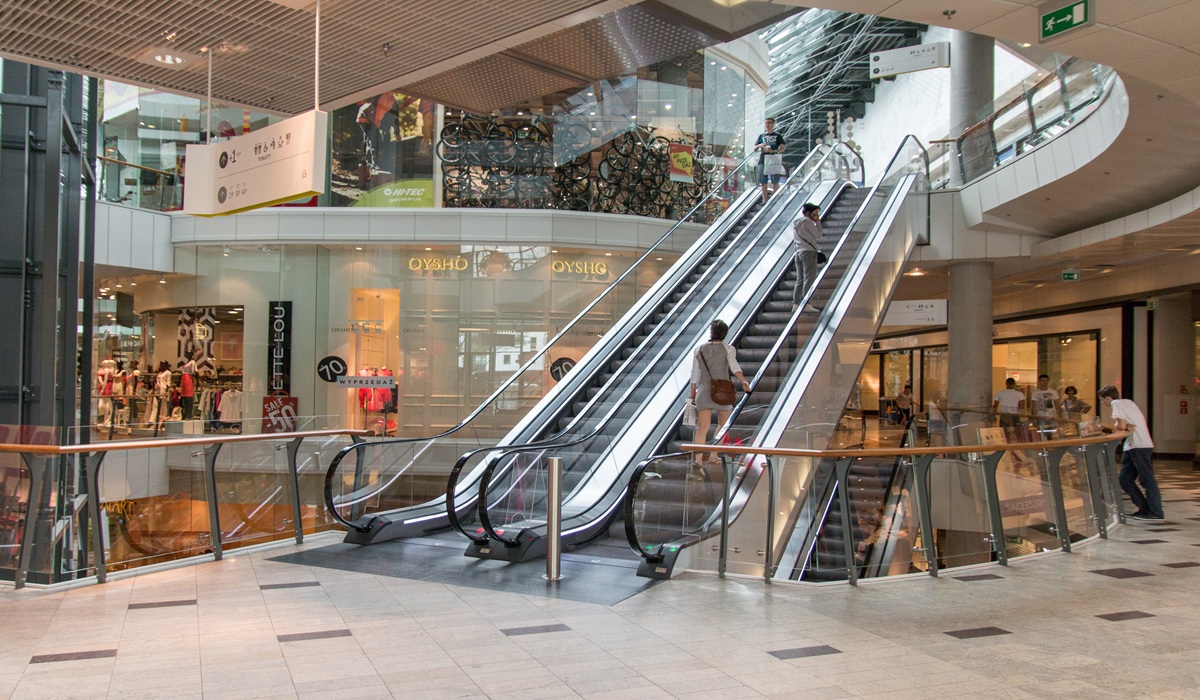
Image Credit: Michal Jarmoluk
Retail executives across the United States are facing a difficult reality this spring as consumer behaviour changes faster than many corporations anticipated. Shoppers are still spending money, but where they spend it — and what they avoid — is starting to reveal deeper anxiety about household finances despite relatively stable employment numbers.
Large chains that once relied heavily on discretionary purchases are reporting slower movement in luxury clothing, electronics, and high-end home décor. At the same time, discount retailers and warehouse-style grocery outlets continue seeing stronger traffic as families search for ways to stretch monthly budgets further.
Economic analysts say the shift reflects more than inflation fatigue. Many households appear increasingly cautious about future financial conditions even if they remain employed. Rising insurance costs, elevated rent prices, and persistent borrowing rates are quietly eating into disposable income. As a result, many consumers are postponing expensive purchases that were once considered routine.
Automakers are seeing similar patterns emerge. Sales of entry-level vehicles and used inventory remain comparatively steady while some higher-priced models have started sitting longer on dealership lots. Industry observers note that buyers are becoming more selective about financing terms, often focusing on monthly affordability rather than brand prestige.
Restaurant operators are also adapting to changing habits. Casual dining chains report that customers are ordering fewer add-ons, skipping appetizers, and visiting less frequently than they did during the post-pandemic spending surge. Some locations are introducing simplified menus and value promotions in an attempt to maintain foot traffic without dramatically raising prices.
Corporate executives are trying to determine whether this represents a temporary adjustment or the early stages of a broader economic slowdown. Several major retailers recently warned investors that forecasting consumer demand has become increasingly difficult because spending patterns now fluctuate sharply from month to month.
At the same time, labour markets remain surprisingly resilient. Employers in healthcare, logistics, construction, and technology continue hiring, creating an unusual economic contradiction where job growth remains relatively healthy while consumer confidence weakens.
Financial strategists say the psychological effect of years of economic instability may finally be taking hold. After navigating pandemic shutdowns, inflation spikes, housing pressure, and volatile interest rates, many households appear less willing to spend freely even when paycheques remain steady.
That caution is beginning to ripple through nearly every sector tied to consumer activity. Businesses that built aggressive expansion plans around strong post-pandemic spending are now reassessing inventory levels, hiring strategies, and pricing models as the national economy enters a far more uncertain phase.
About The Author