Nuestro Hogar No Es Tu Vacación “OUR HOME IS NOT YOUR VACATION”
- Kingston Bailey
- Tiger's Eye Advisory Group - Trending News
- May 17, 2026
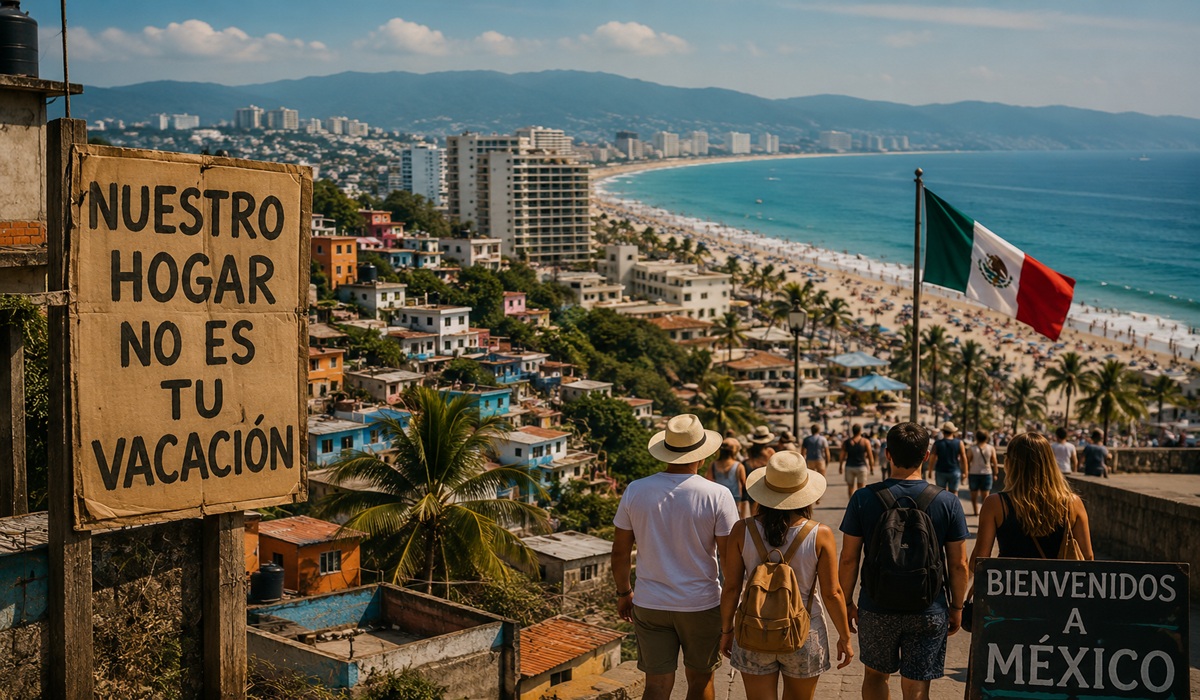
Mexico’s Tourism Boom Is Fueling Economic Growth While Raising Concerns About Rising Costs for Locals
Mexico’s tourism industry is experiencing another major surge heading into the summer season, with beach destinations, resort cities, and cultural hotspots seeing huge numbers of international visitors. The economic boost has been welcomed by businesses and workers tied to tourism, but it is also creating growing tensions in some communities where locals say rising costs are pushing them out of their own neighbourhoods.
Cities like Cancun, Tulum, Puerto Vallarta, and Mexico City continue attracting visitors from Canada, the United States, and Europe at extremely high levels. Hotels are reporting strong bookings, restaurants are packed, and tourism operators are seeing one of the busiest stretches since before the pandemic.
The influx of foreign visitors has pumped billions into local economies, especially in areas heavily dependent on hospitality jobs. New developments continue rising rapidly in tourist regions, and investors remain eager to capitalize on Mexico’s growing reputation as both a vacation destination and a remote-work hub for foreigners seeking lower living costs and warmer climates.
But that same growth is creating frustration among many Mexican residents who say housing prices and rents are climbing beyond what local wages can realistically support. In some communities, long-term residents claim they are increasingly being priced out as short-term rentals and foreign demand reshape entire neighbourhoods.
The issue has become especially visible in Mexico City, where concerns over affordability and so-called “digital nomad” culture have sparked heated debate online and in local politics. Some residents argue tourism growth is helping modernize communities and create opportunity, while others believe it is accelerating inequality and eroding local identity.
Government officials continue promoting tourism as a major pillar of economic growth, particularly as Mexico strengthens its role as one of the most visited countries in the world. At the same time, pressure is building for stronger protections to ensure local residents are not left struggling in cities increasingly designed around foreign spending power.
Mexico’s balancing act now comes down to one central challenge: how to continue benefiting from global tourism demand without allowing entire communities to become financially inaccessible to the people who built them in the first place.
About The Author