The Caribbean Is Facing a Critical Turning Point as Economic and Political Pressures Grow
- Ingrid Jones
- Caribbean
- May 7, 2026
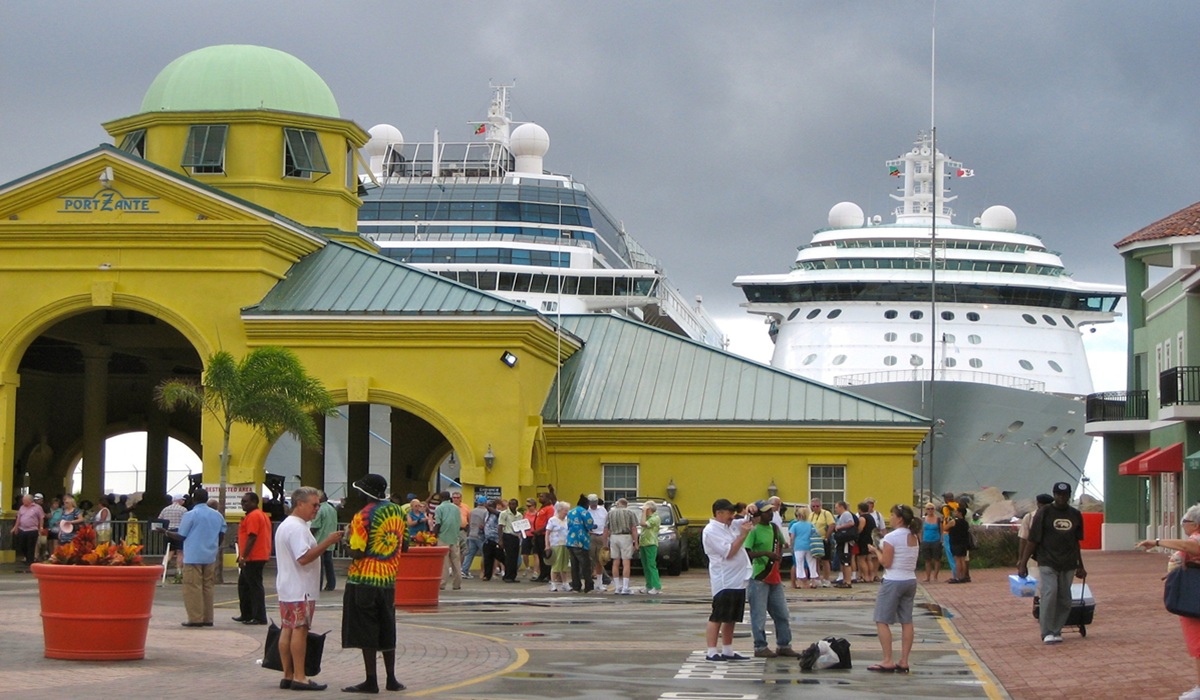
Image credit: SueSchweiz
The Caribbean is entering one of the most important periods in its modern history as governments across the region attempt to balance economic survival, climate resilience and political independence in an increasingly unstable world. While tourism continues driving much of the economy, there is a growing realization that relying too heavily on visitors, cruise traffic and foreign spending leaves island nations vulnerable whenever the global economy slows down.
That reality became painfully obvious during the pandemic years when airports shut down, resorts emptied and entire economies suddenly stalled almost overnight. Even though tourism has largely recovered, many leaders are now pushing to diversify into industries like renewable energy, agriculture, digital services, offshore finance and shipping logistics. The goal is not to abandon tourism, but to reduce the risk of having entire national economies tied almost entirely to one sector.
Inflation is also creating serious pressure for ordinary families throughout the region. Food prices, fuel costs and imported goods have climbed steadily over the past few years, and many countries remain heavily dependent on imports for basic necessities. In several island nations, wages have struggled to keep up with the rising cost of living, creating frustration among younger generations who increasingly feel squeezed between low wages and limited opportunities.
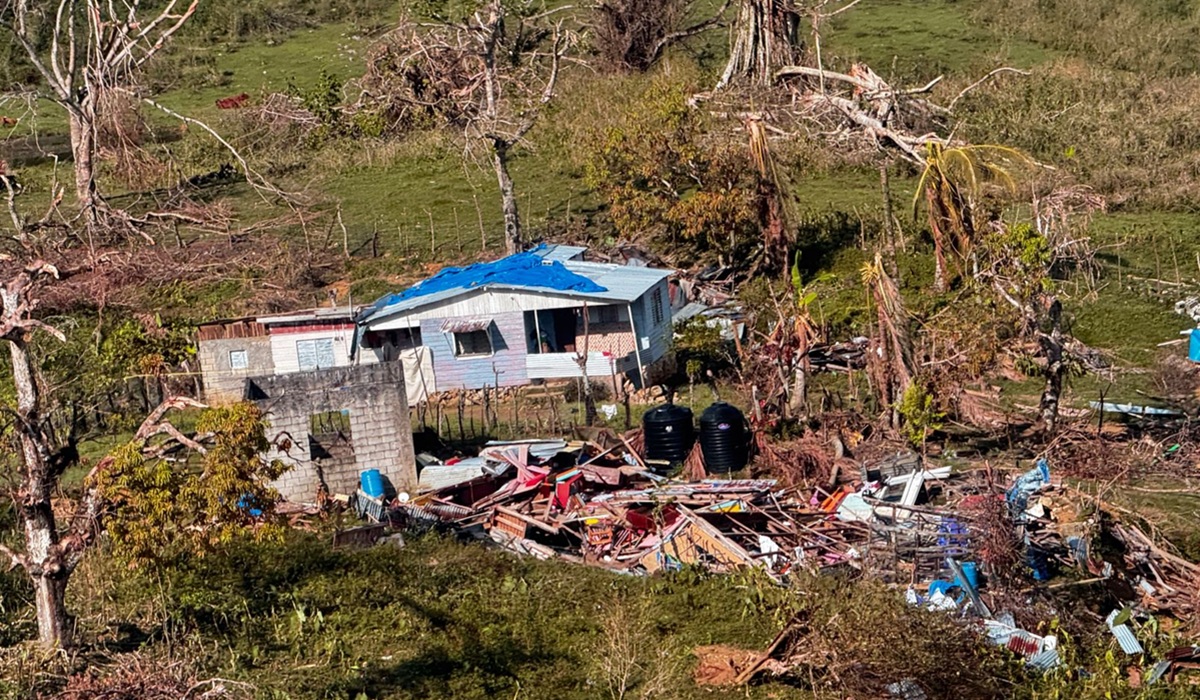
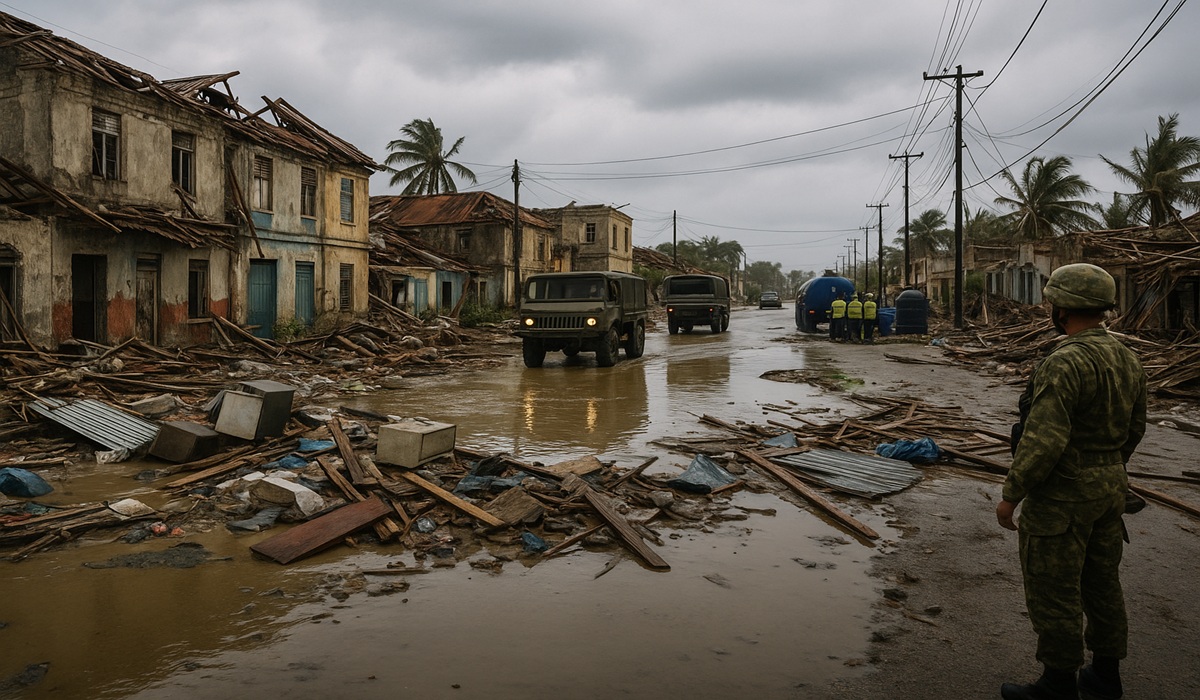
Climate change remains another major concern. Stronger storms, coastal erosion and rising sea levels are no longer future threats being discussed only in scientific reports. They are visible realities affecting infrastructure, insurance costs and long-term development planning today. Some governments are spending enormous portions of their budgets simply rebuilding roads, ports and public infrastructure after severe weather events.
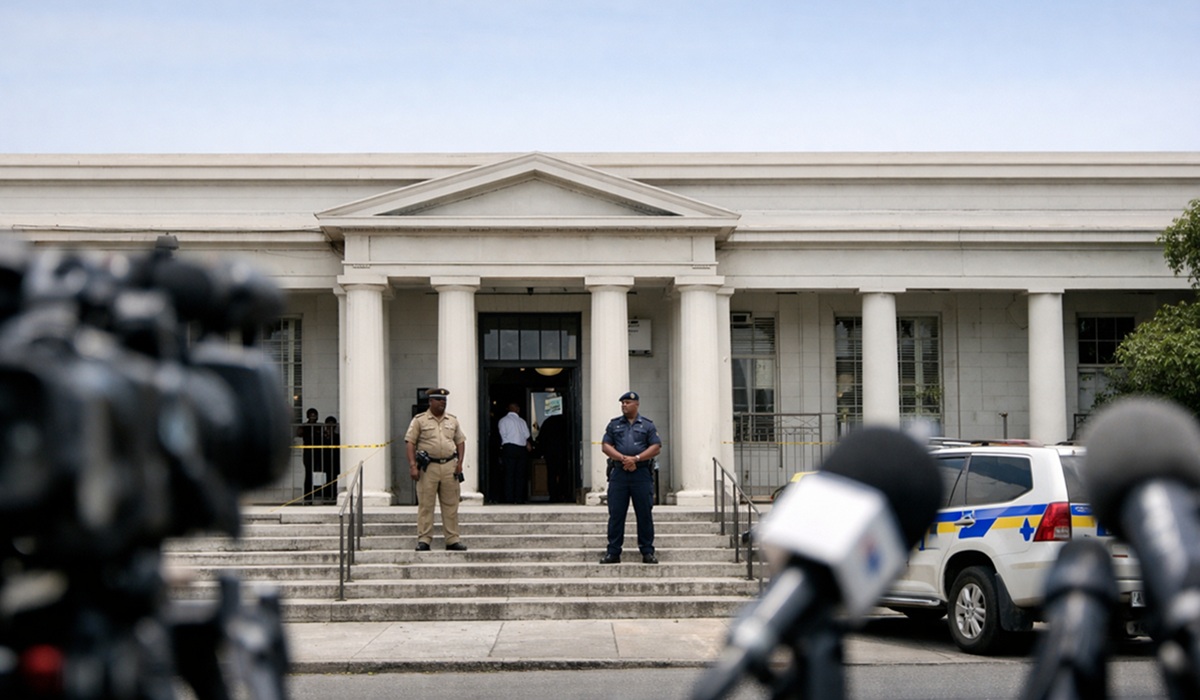
Crime and security have also become growing political issues in parts of the region. Gang violence, illegal firearms and narcotics trafficking continue placing pressure on law enforcement agencies that often operate with limited resources. Several governments are now trying to combine tougher policing with expanded social programs aimed at reducing youth unemployment and economic desperation.
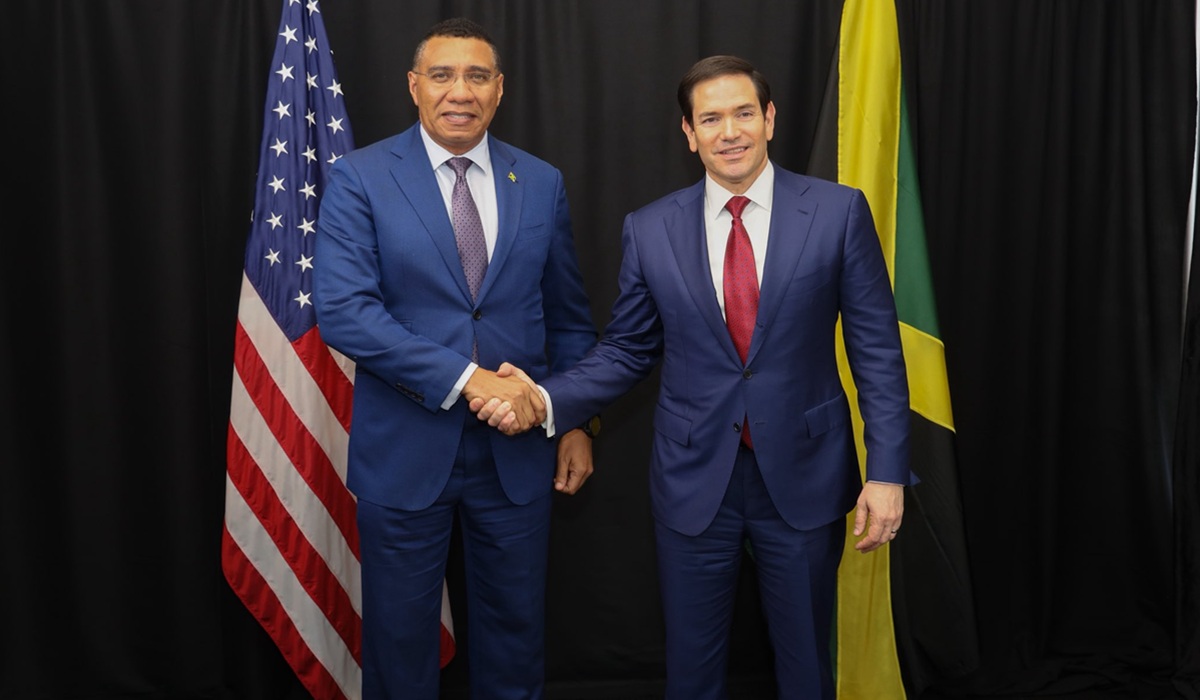
At the geopolitical level, global powers are paying far closer attention to the Caribbean than many people realize. China has increased infrastructure investments and diplomatic outreach across several island states, while the United States continues viewing the region as strategically important due to its proximity and shipping routes. European nations also maintain deep economic and historical ties through trade, tourism and development partnerships. Smaller countries are increasingly trying to balance those competing relationships carefully without becoming too dependent on any single foreign power.
Despite the economic and political challenges, the Caribbean continues to have one of the strongest cultural influences anywhere in the world relative to its size. Music genres born in the region continue shaping global entertainment, while Caribbean communities abroad have had a profound impact on cities like Toronto, London, Miami and New York. From reggae and soca to cuisine, athletics and fashion, the influence extends far beyond the islands themselves.
There is also a generational shift beginning to emerge. Younger entrepreneurs and political voices are talking more openly about economic modernization, food security, regional cooperation and keeping skilled talent from permanently leaving for opportunities overseas. Many believe the future of the region depends on building stronger local industries capable of supporting younger populations long term.
The challenges remain significant, but so does the resilience. The Caribbean has spent generations adapting to economic hardship, natural disasters and outside political pressures while still maintaining a strong cultural identity and sense of community. That resilience is one of the reasons many leaders remain cautiously optimistic despite the growing uncertainty facing the global economy.
What happens over the next decade could shape the future of the region for generations. The countries that successfully modernize their economies while protecting their culture and independence may emerge far stronger than many outsiders currently expect.
About The Author