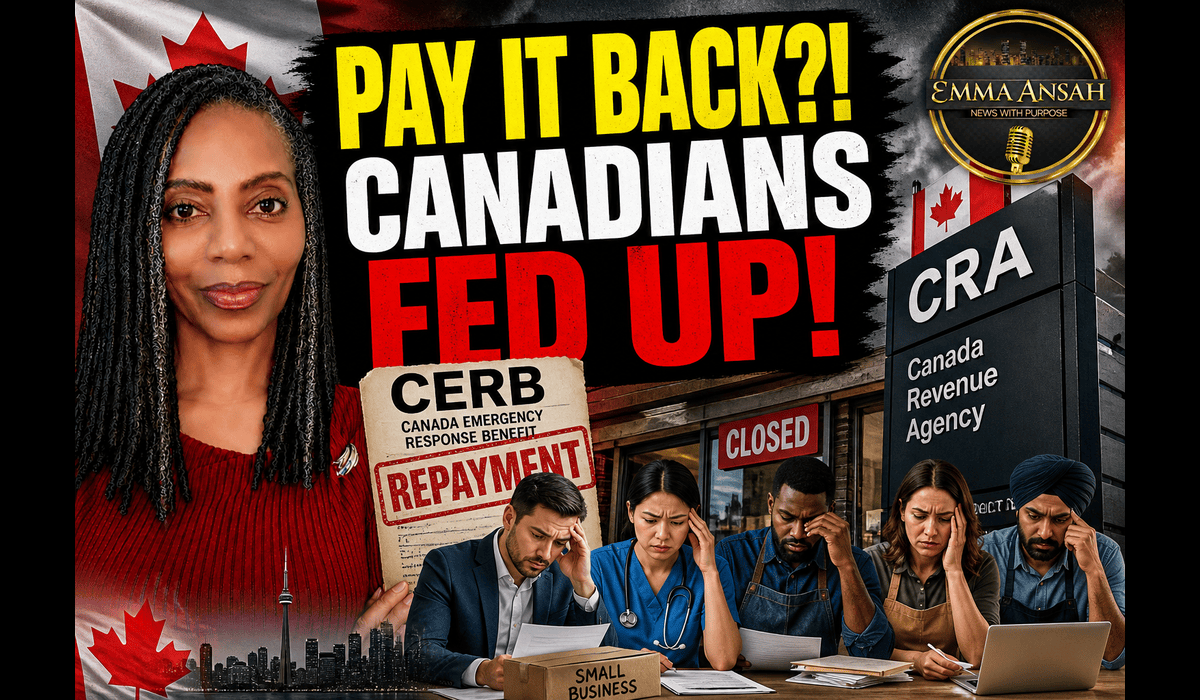
There is a quiet frustration turning into a loud national conversation, and it is centered on the Canada Revenue Agencyand the aftermath of pandemic relief. Across the country, Canadians who followed the rules, worked hard, and relied on government guidance are now finding themselves stuck in a financial loop that feels impossible to escape. The issue is not just about owing money. It is about the feeling that the system moved one way during a crisis and another way once the dust settled, leaving everyday people to absorb the consequences.
During the height of COVID, the government introduced the Canada Emergency Response Benefit as a lifeline. It was fast, accessible, and designed to get money into the hands of people who suddenly lost income. Nearly nine million Canadians accessed CERB at some point, and more than eighty billion dollars was distributed. At the time, the message was clear enough for most people. If you lost income due to the pandemic, apply and get support. What was not clear was how strictly eligibility would be interpreted years later or how aggressively repayments would be pursued once normal life resumed.
Now the numbers are catching up with people. Hundreds of thousands of Canadians have been flagged for repayments, with estimates showing over 441,000 individuals asked to return funds due to eligibility concerns. The government has also been working to recover billions of dollars in overpayments, with more than five billion tied specifically to CERB. That is not just a statistic on paper. That is rent, groceries, childcare, and survival money being called back years after it was spent during one of the most uncertain periods in recent history. Many of those impacted say they applied in good faith based on the information available at the time, only to be told later that they did not meet the technical criteria.
At the same time, tax season has become another source of stress. Canadians are filing their returns expecting some form of financial breathing room and instead are being told they owe more. A major reason for this is that pandemic benefits often had little to no tax withheld at the source, meaning people received the full amount upfront but are now responsible for the tax portion. This has created a situation where someone can work an entire year, manage rising costs of living, and still end up owing the government when they thought they had already paid their share. The advice to fix this going forward is often to have more tax deducted from each paycheque, which only deepens the frustration because it reduces already tight monthly income.
The situation becomes even more discouraging when refunds are involved. Many Canadians expecting a tax refund are instead seeing that money automatically redirected to cover outstanding debts, including CERB repayments. The CRA has the legal authority to apply refunds to debts, which means that anticipated relief never actually reaches people’s bank accounts. For households counting on that money to catch up on bills or simply stay afloat, this feels less like a technical adjustment and more like a financial rug being pulled out from under them.
What is driving the frustration is not just the money itself but the sense of inconsistency. During the pandemic, the priority was speed and accessibility, and Canadians were encouraged to apply quickly in order to stabilize their finances. Years later, the priority has shifted to verification and recovery, and the same individuals are being told they should have interpreted the rules more carefully. That gap between urgency and accountability has created a credibility issue that is now playing out in real time. People are not arguing that rules should not exist. They are questioning why those rules were not clearer when it mattered most.
There is also a deeper issue of financial whiplash that is hard to ignore. One moment the government is providing emergency support, and the next it is issuing repayment notices, tax bills, and collection actions. For some Canadians, this has escalated into serious consequences such as wage garnishments or frozen accounts. These are not abstract policies. These are real interventions that affect people’s ability to pay for daily necessities. The emotional impact is just as significant as the financial one because it creates a sense of instability that lingers long after the initial crisis has passed.
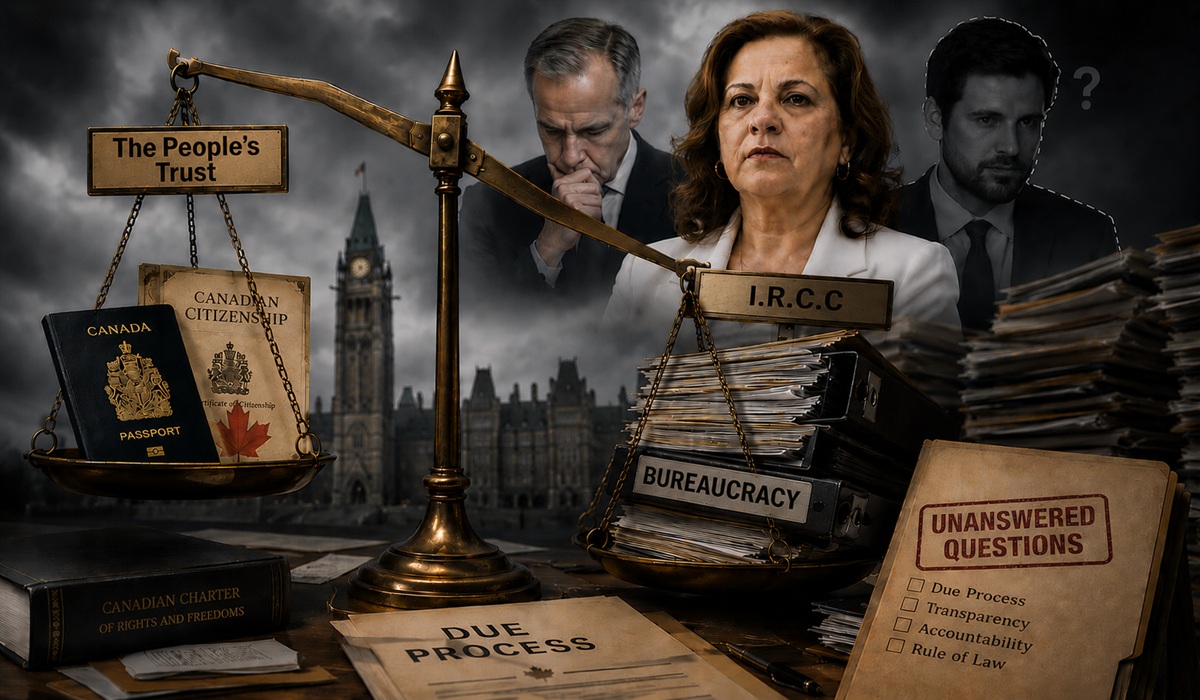
At its core, the frustration reflects a breakdown in trust. Canadians expect that when they follow official guidance during a national emergency, they will not be penalized years later for doing so. They also expect that financial support meant to help them survive will not quietly transform into a long-term debt obligation. The current situation is forcing many to rethink that assumption, and the result is a growing skepticism about how government programs are designed and communicated.
There are options available such as payment arrangements and relief measures, but for many people those solutions feel more like damage control than real support. Spreading out a repayment over time does not change the fact that the debt exists, and it does not address the underlying frustration about how that debt came to be. The conversation is no longer just about who owes what. It is about whether the system is fair, transparent, and consistent in how it treats the people it is supposed to serve.
The reality is that the pandemic required fast decisions and imperfect systems, but the aftermath is where accountability truly matters. Canadians are not rejecting responsibility. They are questioning the logic of a system that first told them to take the help and is now telling them to give it back under rules that were not fully understood at the time. That tension is what is fueling the current backlash, and it is why more and more people are asking a simple but powerful question about the entire experience. Was it ever really support, or was it a loan disguised as relief that Canadians are only now realizing they have to repay.
For more news and insightful commentary subscribe to my YouTube channel
https://youtube.com/@emmaansahnewswithpurpose?si=HLff5NQcjQKn2uF9
Follow me on Instagram
https://www.instagram.com/emmaa_ansah?igsh=MWl3cXh6dms2dmkzZg%3D%3D&utm_source=qr
Follow me on TikTok
https://www.tiktok.com/@eanewswithpurpose?_r=1&_t=ZS-95lcG4vVzjZ
Follow Me on yourNEWS
https://yournews.com/author/emma/
About The Author