Hydropower and Wind Energy are not merely alternatives; but necessities
- Naveed Aman Khan
- Pinpoint
- Tiger's Eye Advisory Group - Trending News
- April 15, 2026
Pakistan today finds itself once again engulfed in prolonged power outages, with cities and rural areas alike enduring hours of load shedding. The timing of this crisis—coinciding with escalating tensions between the United States, Israel, and Iran—has allowed policymakers to point toward external factors as the primary cause. While the unfolding geopolitical situation in the Gulf region has undoubtedly aggravated energy insecurity, a deeper and more uncomfortable truth persists: Pakistan’s electricity crisis is less a product of global turmoil and more a consequence of longstanding domestic mismanagement.
The ongoing tensions in the Middle East, particularly around Iran and the strategic Strait of Hormuz, have disrupted global energy markets. Oil prices have surged amid fears of supply constraints, placing enormous pressure on energy-importing countries like Pakistan. Given that Pakistan relies heavily on imported fuel—especially oil and liquefied natural gas (LNG)—for its thermal power generation, any fluctuation in global markets directly translates into higher costs and supply instability. In this context, it is reasonable to argue that the Gulf crisis has intensified the current power shortages.
However, to treat this as the root cause would be misleading. Pakistan has faced persistent energy crises for decades, even during periods of global stability. The fundamental issues lie within the country’s energy governance framework. Chronic circular debt, inefficiencies in distribution companies, outdated transmission infrastructure, and widespread electricity theft have collectively undermined the sector. Even when electricity is generated, it often fails to reach consumers efficiently. Thus, the present crisis is not an anomaly triggered by geopolitical tensions but rather a manifestation of systemic dysfunction.
Amid this bleak scenario, the significance of hydropower projects becomes increasingly evident. The Karot Hydropower Project stands as a prime example of what Pakistan can achieve through strategic planning and international cooperation. Developed under the China-Pakistan Economic Corridor (CPEC) with the support of China Three Gorges Corporation, this project contributes 720 megawatts of clean, renewable electricity to the national grid. More importantly, it reduces reliance on imported fuels, offering a sustainable and cost-effective solution to Pakistan’s energy woes.
Hydropower holds immense untapped potential in Pakistan. The country is endowed with vast river systems, particularly in the northern regions, capable of generating tens of thousands of megawatts. Unlike thermal power, hydropower is not subject to international price volatility. It provides long-term stability, lower operational costs, and environmental benefits. Projects like Karot demonstrate that with the right investment and governance, Pakistan can harness its natural resources to achieve energy security.
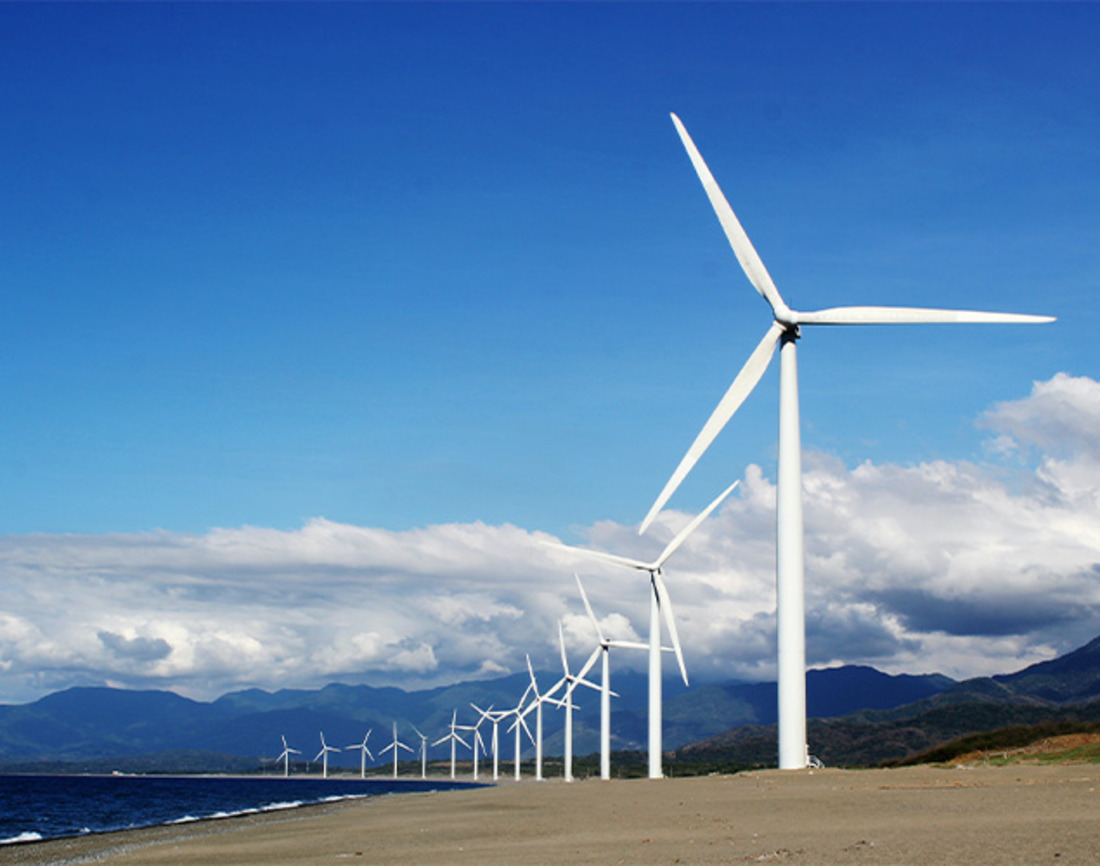
Equally promising is the potential of wind energy. The Sindh coastal belt, stretching from Karachi to Thatta and beyond, is considered one of the most favorable wind corridors in South Asia. Windmills offer a decentralized energy solution, particularly suited for remote and sparsely populated areas where extending the national grid is both costly and inefficient. By establishing localized wind energy systems, Pakistan can address energy shortages at the community level while reducing transmission losses.
Despite these advantages, the question remains: why has the government not aggressively pursued more and more hydropower and wind energy projects?
The answer lies in a combination of political, financial , and institutional challenges. Hydropower projects require significant upfront investment and long gestation periods, often spanning several years before becoming operational. In a political environment characterized by short-term thinking and frequent changes in leadership, such long-term projects are often deprioritized. Governments tend to favor quick fixes, such as thermal power plants, which can be set up relatively quickly but come with higher operational costs and dependency on imported fuels.
Furthermore, vested interests within the energy sector have historically influenced policy decisions. The reliance on imported fuel creates opportunities for certain economic actors, making it difficult to shift toward indigenous and renewable energy sources. Bureaucratic inefficiencies and regulatory hurdles further slow down project implementation, discouraging both domestic and foreign investment.
This is where CPEC emerges as a critical opportunity. Through collaboration with entities like the China Three Gorges Corporation, Pakistan has already demonstrated its capacity to successfully execute large-scale hydropower and wind energy projects. Expanding such partnerships can accelerate the development of renewable energy infrastructure. By prioritizing projects under CPEC, Pakistan can not only bridge its energy deficit but also stimulate economic growth and regional development.
Moreover, windmills can play a transformative role in addressing the needs of Pakistan’s scattered rural population. In remote areas where grid connectivity is limited, small-scale wind energy systems can provide reliable electricity for households, schools, and healthcare facilities. This decentralized approach not only enhances energy access but also empowers local communities.
The current power crisis should therefore be viewed as a turning point. It exposes the vulnerabilities of Pakistan’s existing energy model while highlighting the urgent need for structural reform. Blaming external factors may offer temporary political cover, but it does little to address the underlying issues.
While the America–Israel–Iran tensions have undoubtedly exacerbated Pakistan’s energy challenges, they are not the primary cause of the ongoing power outages. The real culprits lie within—mismanagement, policy inconsistency, and failure to invest in sustainable energy solutions. Projects like the Karot Hydropower Project illustrate a viable path forward, one that leverages Pakistan’s natural resources and strategic partnerships.
To break free from the cycle of crisis and blackout, Pakistan must adopt a long-term vision centered on renewable energy. Hydropower and wind energy are not merely alternatives; they are necessities. By expanding these sectors under initiatives like CPEC, reforming governance, and prioritizing sustainability, Pakistan can illuminate its future—ensuring that external shocks no longer plunge the nation into darkness.
About The Author