Markets Navigating an Era of Permanent Uncertainty
- Ingrid Jones
- Business
- Tiger's Eye Advisory Group - Trending News
- March 8, 2026
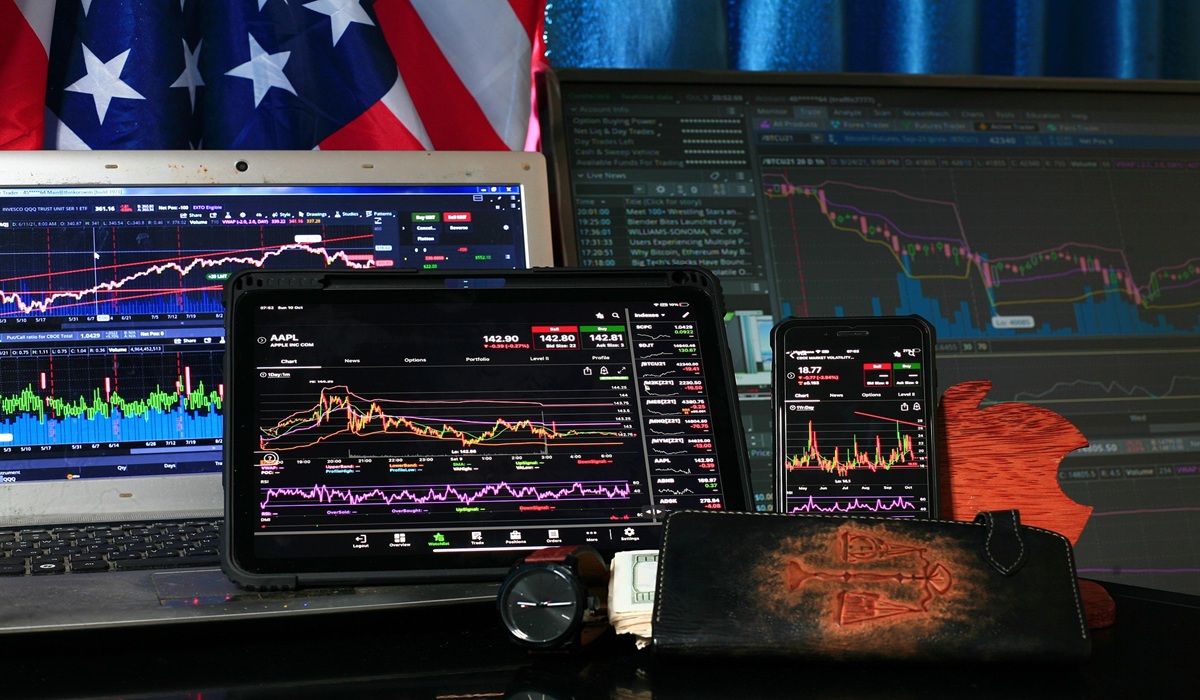
Global financial markets have entered an era defined less by stability and more by constant recalibration. Investors once relied on relatively predictable cycles driven by interest rates, economic growth, and corporate performance. Those traditional indicators still matter, but they are increasingly overshadowed by geopolitical tensions, supply disruptions, and the accelerating pace of technological change.
The past several years have demonstrated how quickly global markets can react to sudden developments. Military conflicts, trade disputes, and diplomatic breakdowns now have immediate ripple effects across stock exchanges, commodity prices, and currency markets. The speed at which information travels ensures that financial reactions occur almost instantaneously, amplifying both volatility and uncertainty.
One of the most visible shifts has been the growing importance of strategic commodities. Materials once considered routine inputs for industrial production have become central to geopolitical competition. Lithium, rare earth minerals, copper, and nickel are now widely recognized as essential components for energy systems, electric vehicles, and advanced electronics. As a result, control over these resources has taken on strategic importance comparable to oil during the twentieth century.
Governments are responding by treating supply chains as national security priorities. Policies that encourage domestic production or secure access through partnerships are becoming increasingly common. While these measures are designed to reduce vulnerability, they also reshape the flow of global trade. Markets that once operated largely on cost efficiency now incorporate political considerations that can influence where and how resources move.
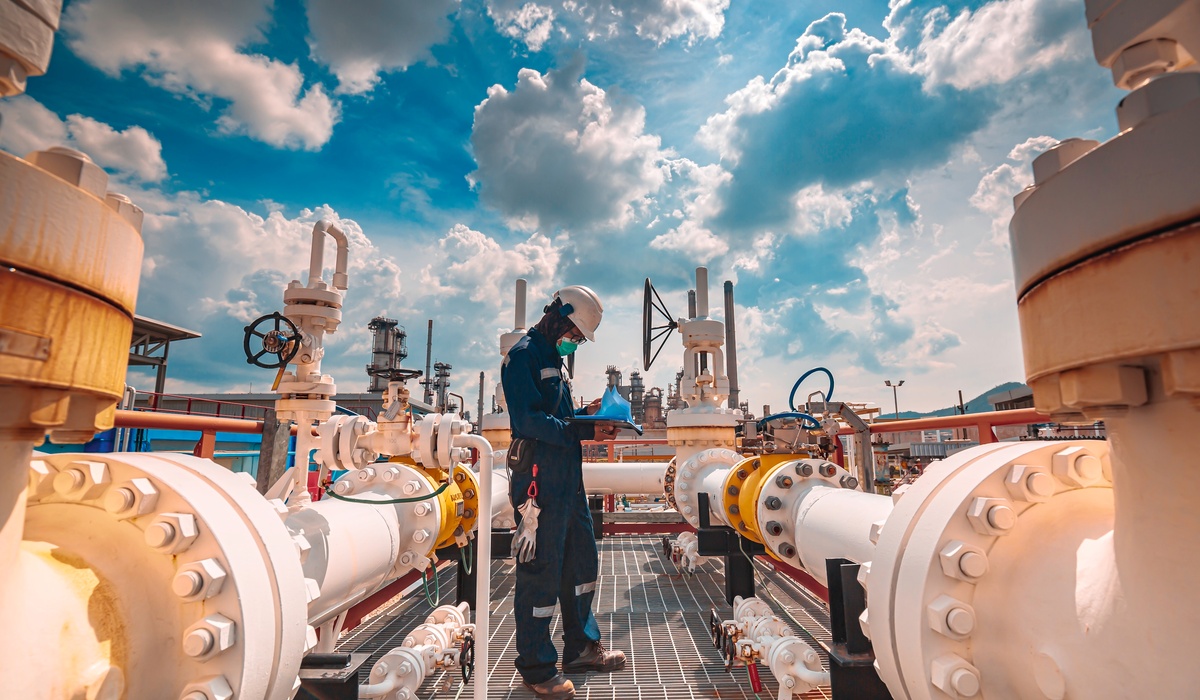
Energy markets continue to play a powerful role in shaping economic expectations. Oil and natural gas prices remain highly sensitive to geopolitical developments, particularly in regions that have historically served as major production hubs. Sudden disruptions can trigger dramatic price swings that ripple through transportation costs, industrial production, and household energy bills.
At the same time, the transition toward alternative energy sources is creating a new layer of complexity. Renewable energy projects, battery technologies, and grid infrastructure require enormous investment, and financial markets are increasingly involved in financing these transformations. Investors see opportunity in the shift toward cleaner energy, yet they also recognize the risks associated with technologies that are still evolving.
Monetary policy has become another key driver of market sentiment. Central banks around the world are balancing competing pressures that include inflation control, economic growth, and financial stability. Interest rate decisions now carry broader implications than in the past because they influence everything from housing markets to government borrowing costs. When central banks signal changes in policy direction, markets react quickly and sometimes dramatically.
Technology companies remain among the most closely watched actors in the global economy. Their influence extends far beyond traditional corporate performance because many of them operate at the intersection of innovation and geopolitics. Advances in artificial intelligence, data infrastructure, and digital platforms can reshape entire industries, making technology firms both economic engines and strategic assets.
Investors are learning that diversification is no longer simply a matter of spreading funds across different sectors. Geographic diversification has become equally important as economic risks increasingly vary from one region to another. Political stability, regulatory environments, and diplomatic relationships now play a larger role in determining where capital flows.
The concept of safe havens has also evolved. Assets that historically served as reliable shelters during periods of turmoil are being reassessed in light of new economic realities. Government bonds, precious metals, and certain currencies still provide stability, yet their behavior can shift depending on broader geopolitical conditions. The result is a more complex environment in which traditional assumptions must be continually reevaluated.
Despite these challenges, global markets remain remarkably resilient. Financial systems have repeatedly demonstrated the ability to adapt to new circumstances, even when confronted with unexpected shocks. Investors, institutions, and regulators are all learning to navigate a world where uncertainty is not a temporary condition but a permanent feature of the economic landscape.
What ultimately defines this moment is the recognition that economic forces and geopolitical developments are now deeply intertwined. Markets no longer respond solely to earnings reports or economic indicators. They respond to diplomatic negotiations, strategic alliances, and shifts in global power.
The result is a financial environment that demands constant attention and flexibility. Investors who once relied on long-standing patterns must now interpret a wider range of signals. Understanding politics, technology, and international relationships has become almost as important as understanding balance sheets and economic forecasts.
As the global economy continues to evolve, markets will likely remain volatile yet dynamic. Periods of uncertainty often create both risk and opportunity, and those who can interpret the broader forces shaping the world will be better positioned to navigate the complexities ahead.
About The Author