By: Donovan Martin Sr, Editor in Chief
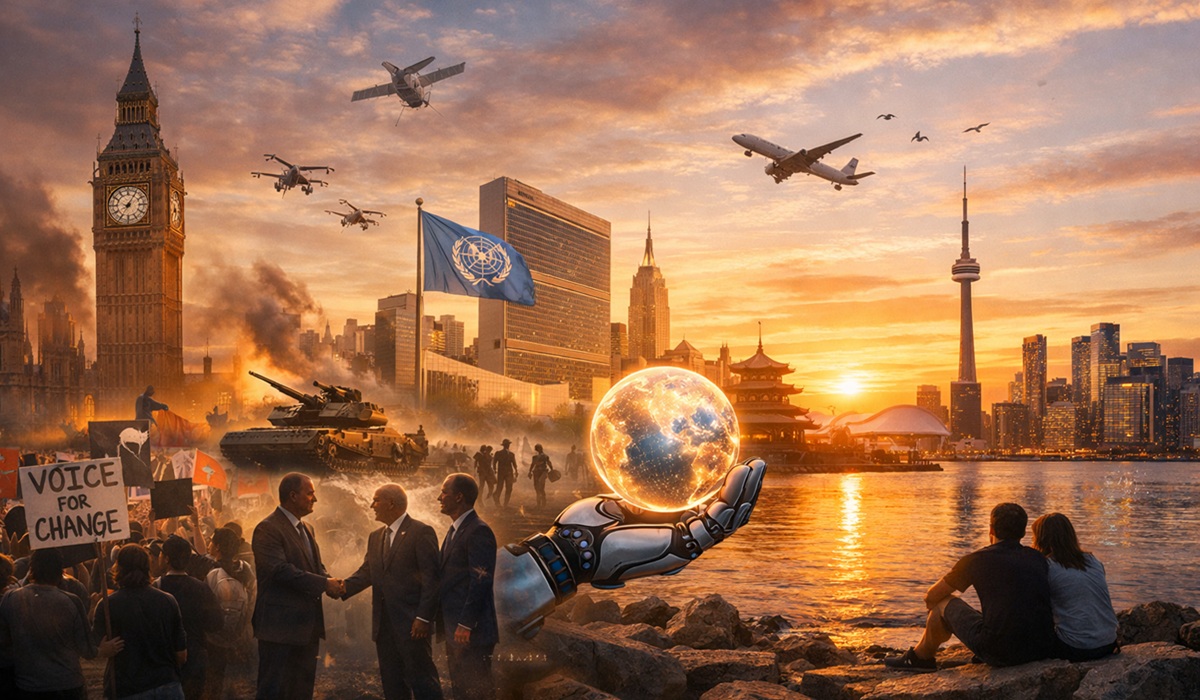
A new year arrives quietly, without ceremony, without applause, without guarantees. Calendars flip, clocks reset, and suddenly we are told we have been given a fresh start. But 2026 does not feel like a reset in the traditional sense. It feels more like an invitation. An invitation to pause, to reflect, and to decide—deliberately—who we want to be to one another in a world that has felt, for too long, chemically charged with division, anxiety, and mistrust.
If 2025 taught us anything, it is that optimism cannot be performative. It cannot be tweeted, branded, or legislated into existence. Optimism has to be practiced. It has to be chosen daily, sometimes stubbornly, often quietly. And that is what 2026 offers us: not a promise of ease, but a chance at intention.
This is the year where peace must be redefined. Not peace as the absence of conflict, but peace as the presence of effort. Peace that requires listening when it would be easier to dismiss. Peace that allows disagreement without dehumanization. Peace that accepts that true compromise means nobody walks away with everything they wanted, but everyone walks away still intact. That kind of peace is harder, slower, and less marketable—but it is real.
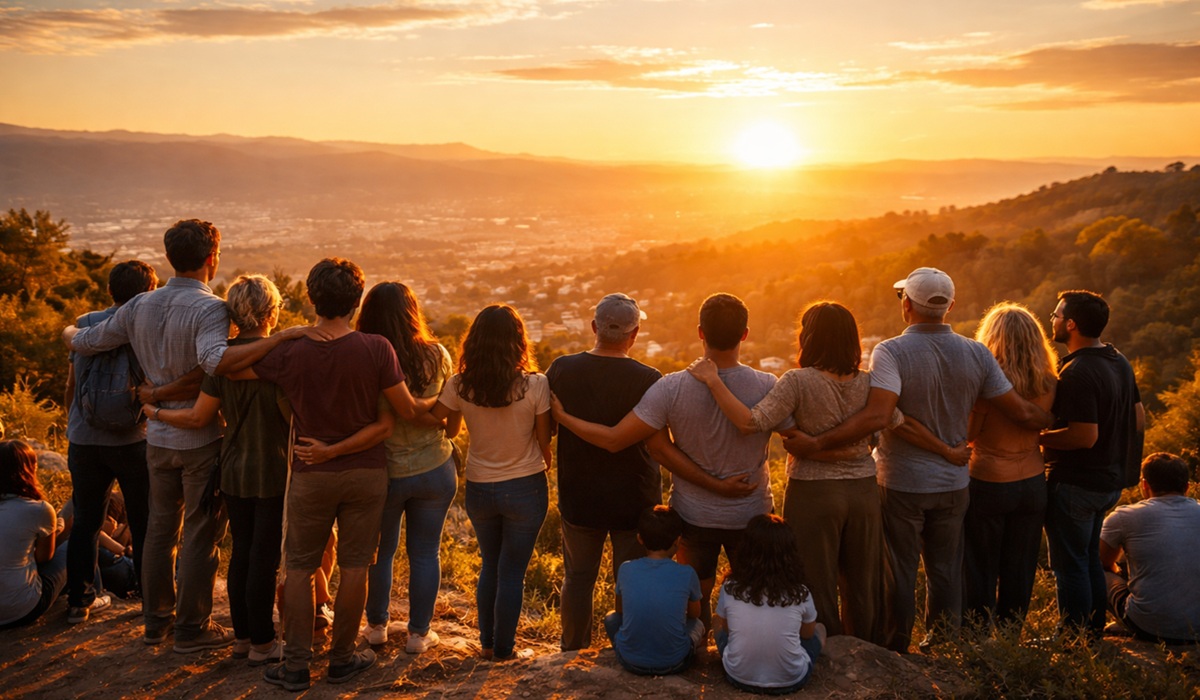
Companionship, too, demands a new understanding. In recent years, we have been more connected than ever, yet lonelier than we care to admit. We talk constantly, but often say very little. We react, but rarely respond. In 2026, companionship cannot just mean proximity. It must mean presence. It must mean showing up not only when things are celebratory, but when they are uncertain. It must mean choosing community over convenience, people over positions, and relationships over rigid ideology.
Conciliation is perhaps the most uncomfortable word we can bring into this year, because it requires humility. It requires the courage to say, “I may not be entirely right,” and the grace to hear, “Neither am I.” We have grown accustomed to treating every disagreement as a battle and every difference as a threat. But what if 2026 is the year we rediscover the power of sitting at the same table without needing the other person to surrender first?
Growth, real growth, will not come from slogans or resolutions scribbled on January first and forgotten by February. It will come from structural honesty. From asking why so many systems that were built to help people now seem designed to exhaust them. From acknowledging that bureaucracy, when untethered from humanity, becomes an obstacle rather than a safeguard. And from insisting—collectively—that those in positions of power remember who they were meant to serve in the first place.
We often tell our children that their future is bright. In 2026, that sentence must carry weight again. It cannot be aspirational poetry. It has to be something we can look them in the eye and believe. That means building conditions where opportunity is not theoretical, where education leads somewhere tangible, where work has dignity, and where hope is not an exception reserved for the lucky few.
The chemical tension we feel in the air—this constant edge, this sense that everything is one moment away from unraveling—did not appear overnight. It is the result of years of unresolved trauma, broken trust, and narratives that profit from fear. The antidote is not denial. It is care. Care in policy. Care in leadership. Care in how we speak, how we vote, how we show up in our neighborhoods and workplaces. Care is not weakness. It is infrastructure.
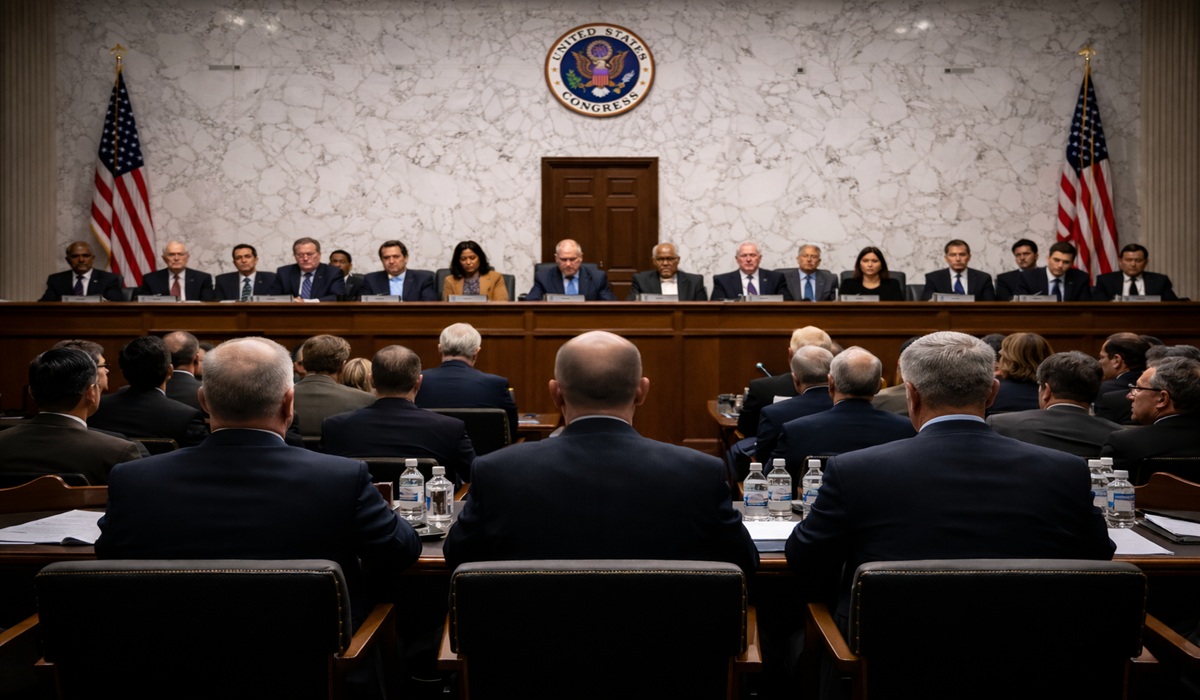
Navigating the bureaucracies of those entrusted with power will remain one of the great challenges of our time. Systems resist change by design. But history has shown, again and again, that systems eventually yield when enough people insist—not loudly, but persistently—that obstruction is no longer acceptable. Change does not always come from overthrow. Sometimes it comes from illumination. From transparency. From refusing to accept “this is how it’s always been done” as a final answer.
One of the most delicate questions we carry into 2026 is how to reconcile belief with governance, values with law, church with state. The answer is not erasure. It is respect. A society does not become stronger by silencing faith, nor does it become fairer by imposing it. The balance lies in protecting the freedom to believe while ensuring no belief is used as a weapon against another’s existence. That balance is not static. It requires constant adjustment, empathy, and good faith effort from all sides.
What does 2026 have in store for us that we cannot yet see? That is the wrong question. The better one is what do we have in store for 2026. Years do not shape themselves. They respond to the collective posture of the people living inside them. If we enter this year guarded, cynical, and resigned, it will meet us there. If we enter it curious, courageous, and willing to repair what has been damaged, it will rise to meet us instead.
This is not a call for blind optimism. It is a call for grounded hope. Hope that understands the depth of the problems before us, yet refuses to believe they are permanent. Hope that does not wait for permission. Hope that begins in small, human acts and scales outward.
Welcome to 2026. A year where peace is practiced, not promised. A year where companionship is intentional, not accidental. A year where compromise is courageous, growth is shared, and telling a child their future is bright is no longer an act of faith, but a statement of fact.
About The Author