Views, Clicks and Comments for Cash: The Monetization of Rage
- Nick Kossovan
- The Art of Finding Work
- Trending News
- December 8, 2025
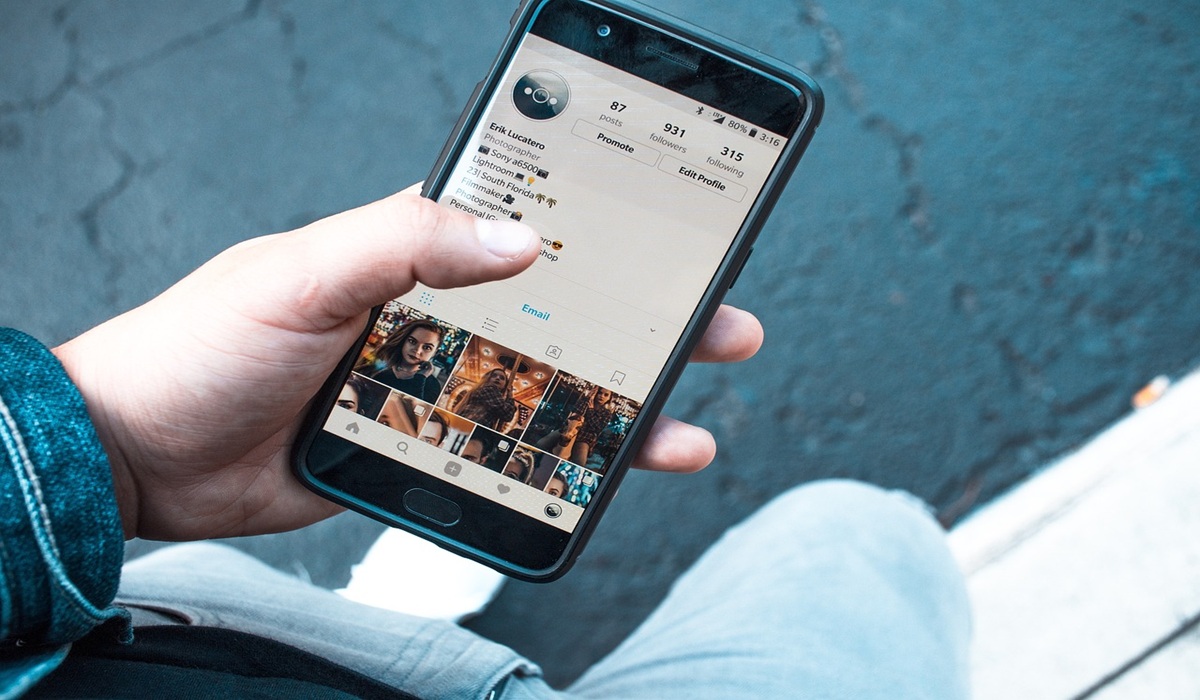
Image Credit, Erik_Lucatero
When it comes to “rage baiting,” Jerry Springer, whose daytime talk show aired for 27 seasons from September 30, 1991, to July 26, 2018 (3,891 episodes), was ahead of his time. He understood that an angry fight draws more viewers than a calm discussion, keeps people from flipping channels, and keeps them fixated—exactly what advertisers want.
Fast forward to today, ‘rage bait’ has been named Oxford Word of the Year 2025. (It’s actually two words, but that’s semantics, so I’ll leave it alone.)
Whether on television, the news, or social media, rage has value enough to be monetized, encouraging online creators to produce rage bait. Their modus operandi is to record videos, create memes, and write posts that provoke anger: conspiracy theories, lies, explosive AI-generated video clips — whatever it takes. The more content they create, the more engagement they attract, and the more they get paid. There’s a financial incentive to create and post material that triggers anger and is likely to be engaged with.
The primary aim of social media is to increase engagement. Anyone with a basic understanding of social media knows that engagement tends to lead to more engagement, since each repost, retweet, quote-tweet, like, or comment introduces your content to a new audience, thus restarting the cycle of engagement.
Furthermore, thanks to the toxic effects of algorithmic amplification—algorithms are designed to show you more of what you’ve clicked on— negative engagement counts just as much as positive engagement. When you engage with outrage bait, even if it’s to express your opposition, you’re training the algorithm to serve up more of the same content. Imagine teaching a personal assistant to learn your priorities based on your division of time and attention. If your personal assistant sees that you spend an inordinate amount of time on racist memes and outrage bait, they’ll assume that these are your priorities and add more of them to your schedule. Essentially, that’s what an algorithm does; it uses your engagement to assess your interests, what’s likely to hold your attention, and delivers content to your feed based on that.
Serving up content that emotionally triggers isn’t new. Since the 1800s, the news industry has lived by the mantra “If it bleeds, it leads,” reminding editors and reporters to give negative stories—sensational, violent, scandalous—priority news coverage because that’s what attracts readers, and the more readers, the more advertising dollars.
Social media has made competition for eyeballs and attention much more intense. Nowadays, there are more than two or three local newspapers along with a handful of radio and television stations competing for attention. Now there’s the Internet and social media platforms, with their easy 24/7/365 accessibility and global reach, that, like the news industry, depend on advertisers for revenue and thus require eyeballs; hence, they reward those who can generate outrage that leads to engagement.
Worth noting: as social media has become the primary source of news for much of the population, this shift has led many journalists to transition from being investigators and analysts reporting news without an overt narrative to “content providers.”
Rage, as the saying goes, is blind. The harassed bull, who’s become enraged and conditioned to associate pain with a red rag, attacks the rag rather than the matador waving it. Anger impairs critical thinking, making it easier to be manipulated for someone’s or an organization’s self-interests. Fox News has used this strategy for decades. If you’ve spent any time on Trump’s X/Twitter account or listened to his press conferences, you’ve seen how well he triggers and manipulates the anger he incites.
Trump’s theatrics have dominated the airwaves for nearly a decade because his eagerness to malign, disparage, denounce, and lie about others has made him a media magnet. Trump may or may not be good for America; only time will tell, but right now, he’s very profitable for the news industry and social media platforms. No doubt, media executives love him. It’s no surprise that social media influencers, witnessing how news outlets and politicians effectively use rage to attract readers, viewers, and win elections, mimic their strategies.
Rage-bait, click-bait, it’s all for the ad money. An angry click is still a click.
What concerns me is how social media, with its adverse effects spilling into “the real world,” is becoming more tribal and clan-like, and how black-and-white thinking is becoming increasingly common. People are choosing sides, like in a gladiator match, supporting the teams that reinforce their beliefs and narratives, and there is no stopping them from supporting their teams. It’s juvenile and dangerous, and influencers know how to pit teams against each other. If you dare speak your truth—simply offer an opposing view or opinion—you quickly learn many people are so committed to “being right” that they won’t consider other viewpoints and vilify you for thinking or believing differently from them.
While rage bait is 2025’s Word of the Year, its long-term influence remains in question. I believe rage bait is here to stay. As long as algorithms reward reactions, creators will continue to leverage the easiest emotion to trigger in a human, rage.
______________________________________________________________
Nick Kossovan, a self-described connoisseur of human psychology, writes about what’s
on his mind from Toronto. You can follow Nick on Twitter and Instagram @NKossovan.
About The Author