A productive job site grinds to a halt the moment a piece of heavy machinery fails. A stalled excavator or a faulty dozer costs you time and money, and every minute of downtime hurts your bottom line. You need your equipment to run smoothly to meet deadlines and maintain project momentum. Knowing the basics of troubleshooting common problems with heavy equipment is a good skill for any operator or manager. Get ahead of issues by scheduling a professional inspection for your fleet today.
The most frequent issue operators face is an engine that refuses to cooperate. This problem usually points to a few specific areas. First, check the battery and its connections. One of the biggest roles of overmolded connectors in harsh environments is chemical resistance due to the high chance of corrosion. A dead battery or corroded terminals will prevent the starter from getting the power it needs to turn the engine over.
Another culprit is the fuel system. Clogged fuel filters or air in the fuel lines can starve the engine of diesel. Look for signs of leaks or damage to the lines. A quick check of these basic systems solves many no-start situations without the need for a service call.
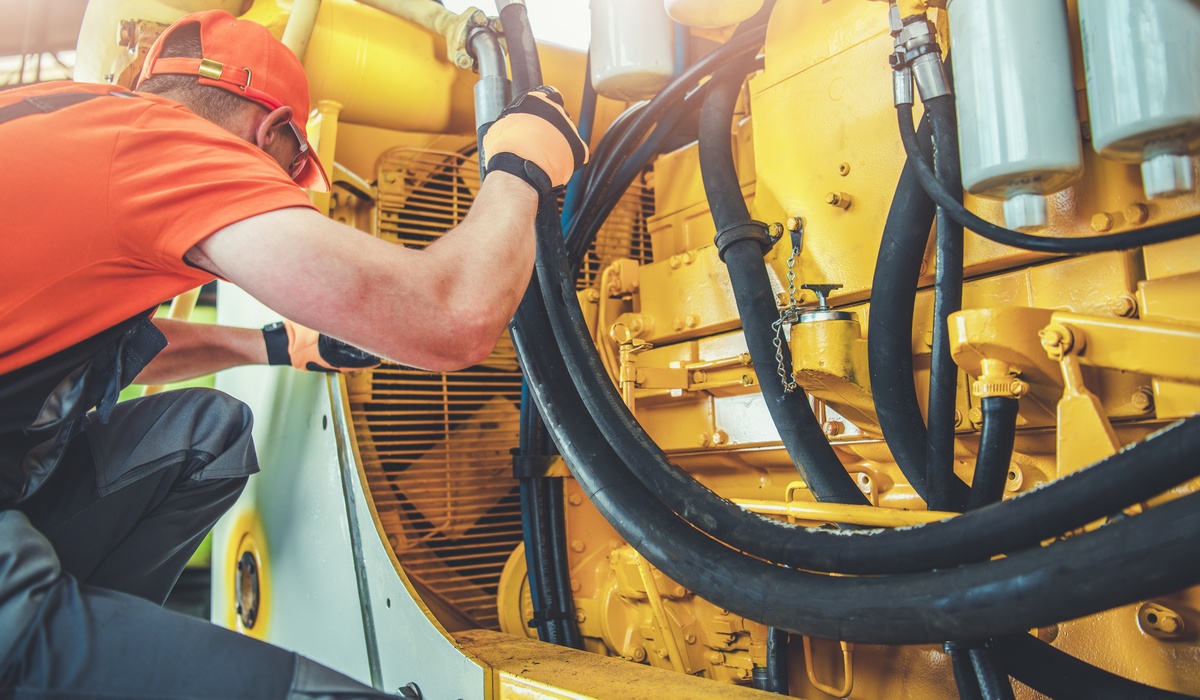
Your machine’s hydraulic system provides the muscle for all its functions, from lifting buckets to turning tracks. When you notice sluggish movement or a complete loss of power in an attachment, the hydraulics are likely to blame. Low hydraulic fluid is a primary suspect. Always check the fluid levels first.
Leaks are another common source of hydraulic trouble. A small pinhole leak in a hose can spray fluid under high pressure, which is a safety hazard and a performance drain. Contaminated fluid, full of dirt and debris, also causes valves to stick and pumps to wear out prematurely.
An engine that runs too hot will quickly lead to catastrophic failure. An overheating issue usually stems from the cooling system. Check the coolant level and look for any leaks in the radiator or hoses.
Staying on top of these issues prevents small annoyances from snowballing. A daily walkaround inspection helps you spot problems before they sideline a machine. This guide to troubleshooting common problems with heavy equipment gives you a solid place to start. For complex electrical or internal engine work, always trust a certified technician.
About The Author