Tips for Preventing Forklift Accidents in the Warehouse
- Casey Cartwright
- Business
- Trending News
- December 29, 2025
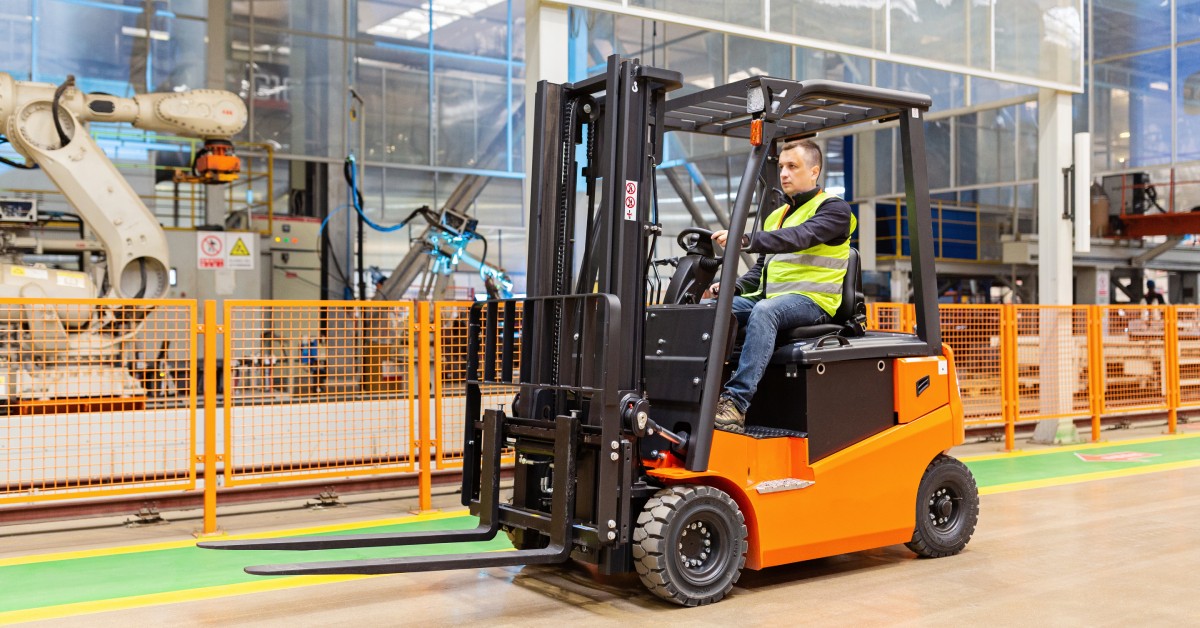
Forklifts are indispensable in warehouse operations, allowing workers to move heavy loads efficiently. However, their power and weight present significant risks if teams don’t manage them correctly. Forklift accidents remain a leading cause of injury and property damage in industrial settings, making safety protocols essential for every facility manager. Implementing strict safety measures protects employees, prevents forklift accidents, and ensures smoother operations by preventing costly downtime.
Understanding why accidents happen is the first step in prevention. Lack of proper training often leads to operators who do not understand the machine’s limits or safety features. Inexperienced drivers may struggle to maneuver in tight spaces or handle complex loads.
Speeding and reckless driving are other frequent contributors to workplace incidents. Operators under pressure to meet quotas might drive too fast, reducing their reaction time and stability. Overloading the forklift beyond its rated capacity causes tipping, which endangers both the driver and nearby pedestrians. Finally, poor maintenance can lead to mechanical failures like brake malfunctions or hydraulic leaks during operation.
A robust safety program begins with comprehensive education. Ensure every operator completes a certified training program before they operate a forklift. This training should cover vehicle controls, load management, and site-specific hazards. Refresher courses help experienced drivers stay sharp and updated on new safety regulations.
Controlling speed is crucial for maintaining stability and reaction time. Establish clear speed limits throughout the warehouse and enforce them rigorously. Operators must slow down at corners, blind spots, and areas with high pedestrian traffic. Installing speed limiters on forklifts can provide additional control, preventing drivers from exceeding safe speeds even when rushing.
Mechanical reliability prevents accidents caused by equipment failure. Manage pre-shift inspections for every forklift. Operators must check brakes, steering, tires, and fluid levels before starting their shift. Remove any machine showing signs of damage or malfunction from service immediately until a qualified technician repairs it.
Loading and unloading trucks often introduces risks related to uneven surfaces. Portable forklift ramps provide a stable, gradual incline for forklifts to enter and exit trailers safely. These ramps reduce the likelihood of the forklift slipping or tipping during the transition between the warehouse floor and the truck bed. Use portable forklift ramps to ensure safety and secure them properly before use to prevent shifting under load.
A disorganized warehouse floor invites accidents. Keep aisles clear of debris, pallets, and unnecessary equipment to give forklifts ample room to maneuver. Clearly mark pedestrian walkways and forklift lanes with durable floor tape or paint. Separating foot traffic from vehicle traffic significantly reduces the risk of collisions.
Preventing forklift accidents requires following these essential steps and attention to detail. By addressing common causes like lack of training and poor maintenance, warehouse managers can create a safer environment. Ultimately, a commitment to safety protects your most valuable asset—your workforce.
About The Author