Protecting a car’s finish is a primary concern for many owners who wish to maintain their vehicle’s value and aesthetic appeal. While traditional waxes and sealants have long been the standard, ceramic coatings are emerging as a durable, long-term alternative.
Ceramic coatings are liquid polymers applied to the exterior of a vehicle. The polymer bonds with the factory paint to create a protective layer. This layer is harder than traditional wax and provides superior resistance to various environmental contaminants. Learning the specific advantages and potential drawbacks is essential for any car owner considering this advanced form of paint protection. So should you put a ceramic coating on your car? Let’s find out.
The primary advantage of applying a ceramic coating is the significant enhancement of paint protection. The hardened, semi-permanent layer shields the underlying paint from minor scratches, swirl marks, and oxidation caused by UV exposure. Furthermore, the hydrophobic nature of the coating repels water, mud, and grime, making the vehicle easier to clean and maintain.
Water beads up and rolls off the surface, taking dirt with it. This property also offers protection against chemical stains and etching from acidic contaminants, such as bird droppings and bug splatter. The result is a glossy, deep finish that retains its luster for far longer than conventional waxes, which typically require reapplication every few months.
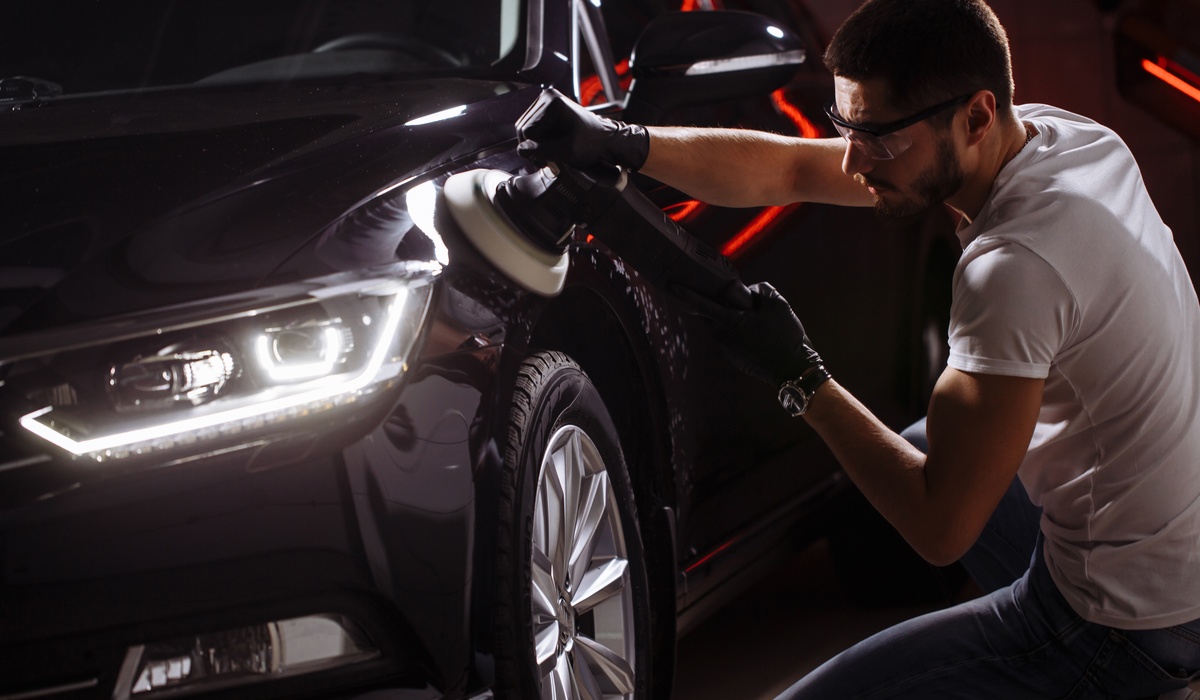
Despite its benefits, ceramic coating is not without its disadvantages. The most significant factor for many is the upfront cost, as professional application can be expensive. The process is labor-intensive and requires meticulous surface preparation, including paint correction to remove any imperfections before the coating is applied. If you don’t perform this preparation step correctly, the coating can seal in existing flaws.
Although it offers protection against minor abrasions, a ceramic coating is not impervious to deeper scratches, rock chips, or damage from a collision. It’s a protective layer, not an impenetrable suit of armor. Finally, while it reduces cleaning frequency, it does not eliminate the need for regular washing.
Deciding whether to invest in a ceramic coating depends on several personal factors and priorities, including:
- Long-Term Ownership: Owners who plan to keep their vehicle for many years will see the most value from a long-lasting protective solution.
- Value Preservation: If maintaining the vehicle’s pristine condition for resale value is a high priority, the durable protection offered by a ceramic coating is a compelling argument.
- Maintenance Habits: An owner who prefers to spend less time and effort on frequent washing and waxing may find the investment worthwhile, as the coating simplifies upkeep.
The type of car and its finish also play a role; owners should select ceramic coatings for different car finishes to ensure optimal performance and appearance. For people who view their vehicle as a significant investment and are committed to its long-term preservation, a ceramic coating offers a level of protection that traditional products cannot match.
Should you put a ceramic coating on your car? Yes, it provides a strong, long-term solution for paint protection that enhances a vehicle’s appearance and simplifies its maintenance. It delivers a durable shield against environmental hazards and keeps the car looking newer for longer.
However, the decision requires careful cost-benefit analysis. Car owners must weigh the significant upfront expense and the need for professional application against the long-term benefits of superior protection and reduced maintenance efforts. For the dedicated owner focused on preserving their vehicle’s condition, the investment is a logical and highly effective choice.
About The Author