By: Donovan Martin Sr, Editor in Chief
Image Credit: Lina aridj Bouta
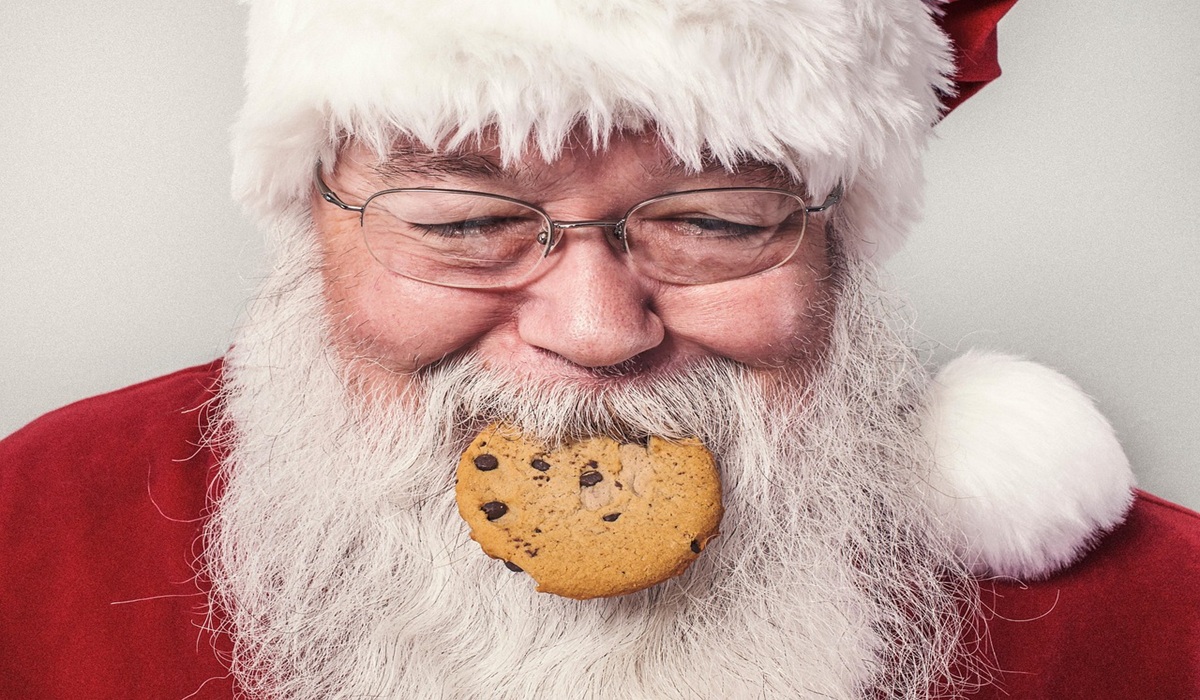
There is something deeply human about December that tends to get lost in the noise of modern sensitivity. For generations, this time of year marked a kind of pause—a chance to breathe, reconnect, remember what matters. And part of that rhythm has always been the simple act of acknowledging the season as it is. A neighbour walks past you on the sidewalk, bundled against the cold, and you greet them with a warm Merry Christmas. It’s not political, it’s not calculated. It’s just a moment of human contact, a gesture that carries far more weight than the words themselves.
But somewhere along the way, people began second-guessing that instinct. A small, unnecessary fear crept in, as if naming the holiday we’re all experiencing together had become a breach of etiquette. That’s where the emotional disconnect began. We forgot that these tiny exchanges—these small bursts of warmth between strangers—are the very things that can lift a person’s day. You never know who just lost someone, who’s sitting with loneliness, who feels invisible in a world that moves too fast. And then you greet them, sincerely, with a Merry Christmas, and something softens. Something lifts. It’s not earth-shattering, but it matters.
What makes the hesitation even more peculiar is that we don’t do this dance with any other holiday. We don’t say Happy Holidays when it’s Valentine’s Day or Halloween or St. Patrick’s Day. We don’t tiptoe around New Year’s with vague language. When Hanukkah arrives, people say Happy Hanukkah because that’s the day. When Kwanzaa begins, they say Happy Kwanzaa. No one hesitates. No one feels threatened. These greetings exist because they reflect the moment being celebrated.
Christmas finds itself treated differently, though not because people stopped celebrating it—far from it. Even those who are not religious still decorate, still gather, still embrace the spirit of the season. Christmas has woven itself into culture, memory, family traditions, community events, music, and childhood nostalgia. It is one of the few times of year when people instinctively soften toward each other. So stripping the greeting down to something neutral doesn’t make anyone feel safer; it just removes a layer of shared humanity.
And humanity is the heart of this. Think of the emotional ripple of that one small greeting. You’re leaving a grocery store, balancing bags and thoughts, and someone looks up and smiles: Merry Christmas. In that quiet instant, the world feels a little less heavy. You feel seen. These gestures land in ways that can’t be measured. They remind us that kindness doesn’t always need grand gestures; sometimes it’s just a few familiar words spoken without fear.
If we’re being honest, the push toward Happy Holidays didn’t come from ordinary people. It came from corporate caution, from institutions trying to please everyone and upsetting almost no one. But in doing so, they unintentionally erased something warm and timeless—a shared tradition that doesn’t exclude but simply acknowledges a moment most people recognize in some way. There is room for every greeting. There always has been. When someone says Happy Hanukkah or Happy Kwanzaa, those words are received with appreciation because they carry sincerity. Saying Merry Christmas should be no different.
None of this means forcing anyone to use a specific phrase. It simply means allowing people the freedom to speak with warmth, without worrying that goodwill might be misinterpreted. These small flashes of connection—tiny as they seem—are the threads that bind communities. When we become so guarded that even kindness feels hazardous, we lose something essential.
So if the season means something to you, say it. Say it without hesitation, without apology, and without fear that acknowledging a holiday on its own day is somehow inappropriate. Those words might be the softest part of someone’s day. They might be the one reminder that the world still has space for gentleness.
And in that spirit, as naturally and sincerely as it’s meant to be spoken—Merry Christmas and Happy New Year.
About The Author