Most New EVs Come Without Spare Tires — And It Raises a Bigger Question About Driver Safety
- TDS News
- Technology
- Trending News
- December 6, 2025
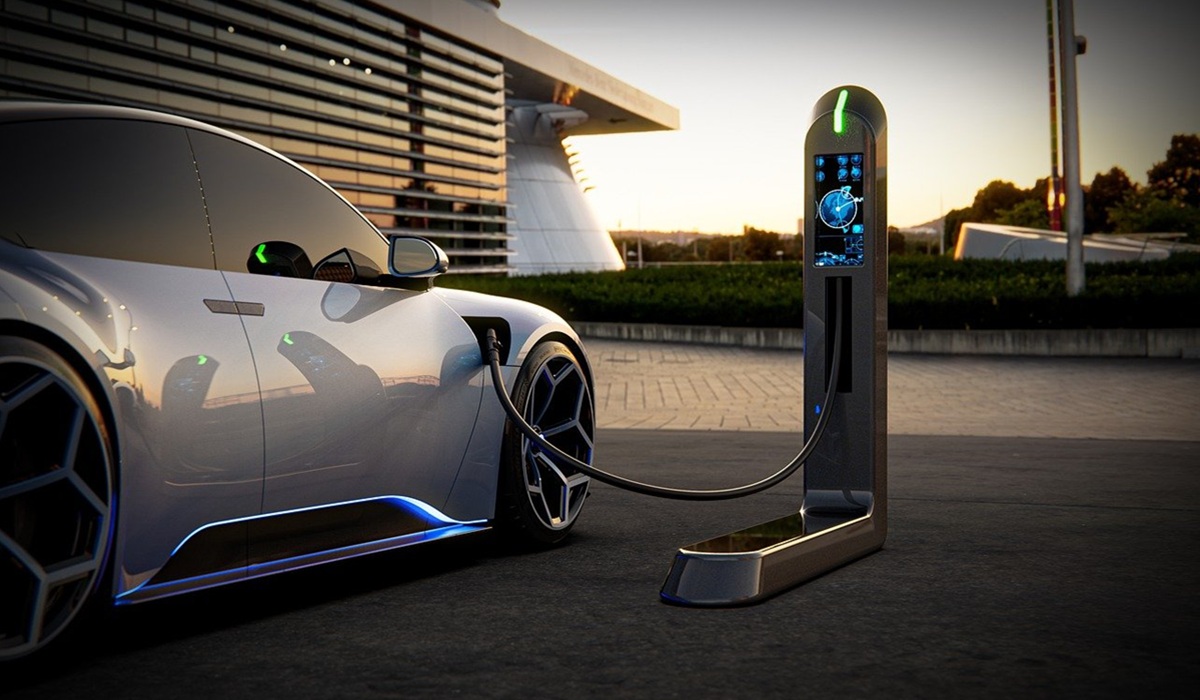
Image Credit, Lee Rosario
For all the hype around electric vehicles and the rapid shift toward a cleaner future, a quiet detail is beginning to trouble drivers across multiple countries: most new EVs no longer include a spare tire. Not a compact spare. Not a full-size spare. Often not even a simple jack. And while this might seem minor on paper, the implications become far more serious once you leave the comfort of major cities.
Automakers defend the move by pointing to weight reduction, improved efficiency, and the need to protect battery range. A spare tire, tools, and a jack can add close to 50 pounds—an amount that matters when every kilometre of range is scrutinized. EVs also face strict interior packaging constraints because the battery occupies the space where a spare traditionally sat. So manufacturers remove it, include a tire repair kit instead, and move on.
The problem, however, is that the world hasn’t moved with them.
National charging networks remain uneven depending on the country. Infrastructure gaps are still glaring, even in places promoting aggressive EV adoption. And it’s not just about chargers—it’s about geography. Many nations still have vast stretches of rural land where cell service is unreliable, emergency response times lag, and roadside assistance may be hours away. Add to that the fact that many EVs rely on specialized high-load tires that can’t always be repaired with a sealant kit, and you begin to see the fault lines forming.
Picture a long road trip. You’re between towns. No service station for 80 kilometres. The nearest fast charger is even farther. Then a tire blows—not a slow leak, not a nail you can plug, but a full sidewall failure. In a gas vehicle, you pull out the spare, change it, and keep going. In an EV, you reach for a repair kit that’s useless against shredded rubber. Suddenly, you’re not just stranded—you’re stranded in a vehicle that cannot simply be towed like every other car.
Towing an EV often requires specialized equipment to avoid damaging the battery or drivetrain. Depending on where you are, that can mean premium rates, long waits, and in some cases, thousands of dollars in unexpected costs. Add the complication of potentially being nowhere near a charger once the car is finally loaded onto a truck, and even a basic tire blowout becomes an expensive logistical ordeal.
Roadside assistance programs know this. Tow operators know this. And drivers are starting to realize this every time they discover that even their high-end EV offers no spare tire at all.
This isn’t fearmongering; it’s a practical safety issue. EV adoption is growing faster than the infrastructure meant to support it. Chargers are still missing along major rural corridors. Emergency response systems haven’t fully adapted. And now the vehicles themselves are removing one of the oldest tools of self-reliance on the road.
Some drivers combat the issue by purchasing aftermarket compact spares, though many automakers discourage it due to weight and compatibility concerns. Others throw a full tire into the trunk, sacrificing precious storage space. But many simply don’t know the spare is missing until they need it.
Which leads to the real question: are we moving too quickly toward an EV-first future without ensuring the basics are in place? Cleaner technology is essential. Reduced emissions are essential. But so is acknowledging reality—most countries have not achieved national charging networks. Many areas still lack coverage. And no amount of software innovation will change the fact that sometimes, in the middle of nowhere, you just need a spare tire.
As the transition accelerates, industry leaders, regulators, and automakers will eventually have to reckon with this growing blind spot. EVs promise convenience, efficiency, and long-term savings. But until charging networks, safety protocols, rural coverage, and old-fashioned road practicality catch up, drivers are right to question why something as basic as a spare tire has quietly disappeared from the modern electric vehicle.
Because out on an empty highway, one bad pothole doesn’t care how advanced your battery is.
About The Author